The Safety Keeper
Slicewarm3 audio scenes
Ready to read?
1 chapter • 3 scenes
Summary
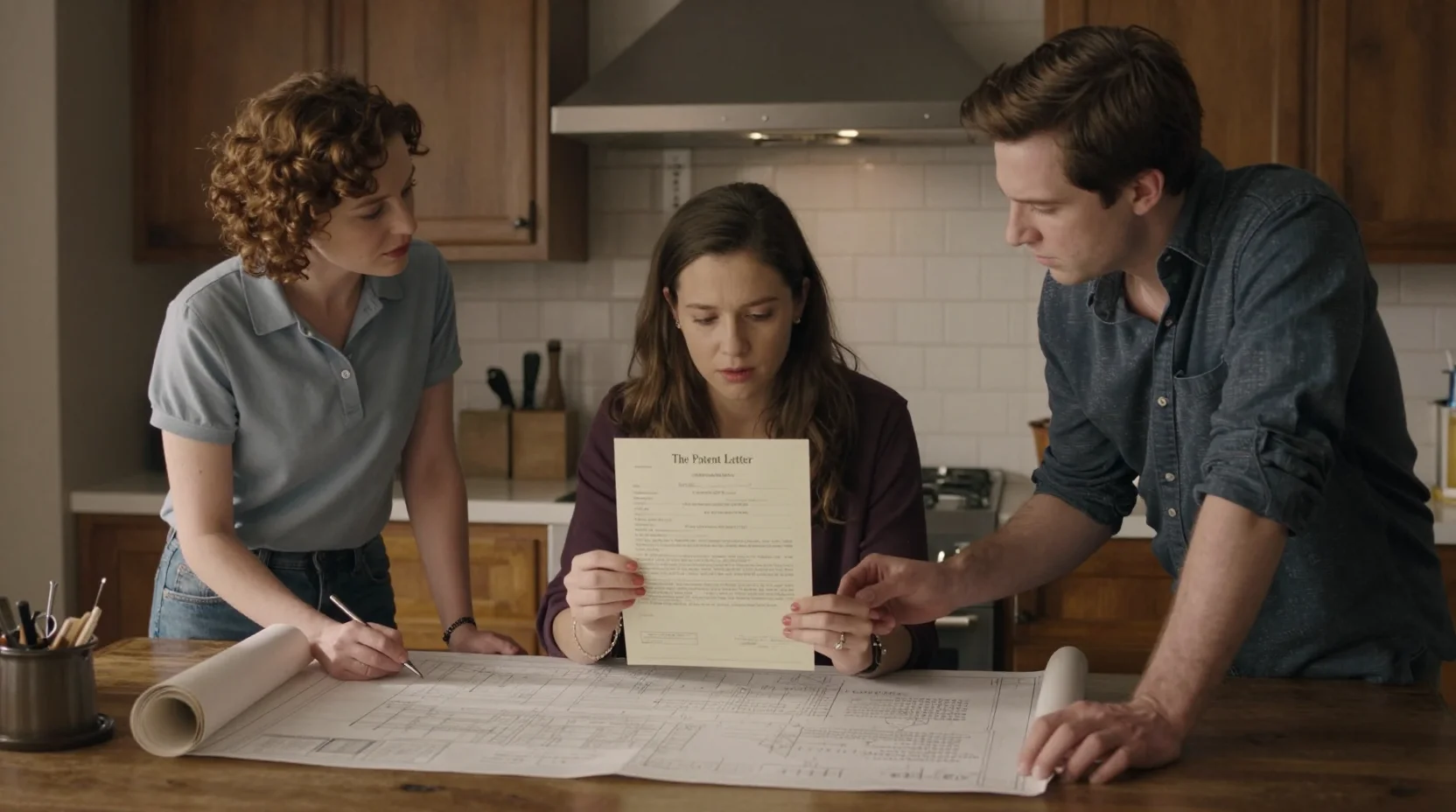
In 1965 Queens, night-shift nurse Evelyn Clarke sketches blueprints for a home security device between patient rounds and raising her daughter, fighting to prove that innovation doesn't require a lab coat—just lived experience and determination.
Characters

Evelyn Clarke

Margaret Hayes

Albert Clarke
Settings
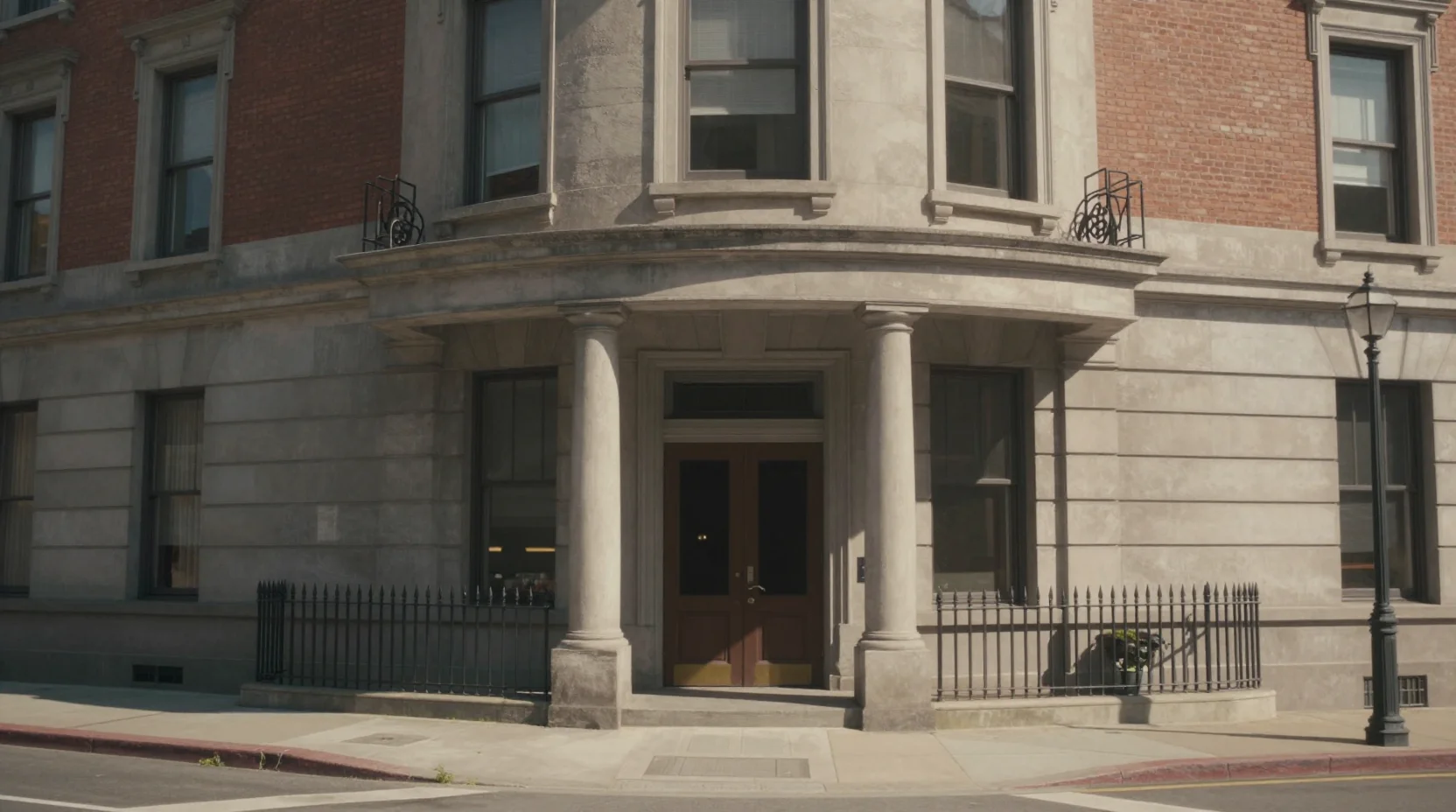
The Building Stoop
The concrete steps of a five-story walk-up where neighbors gather summer evenings, sharing newspapers and watching children play stickball. Street lamps flicker on as dusk falls, and residents instinctively track who's coming home, who's working late, who might need checking on.

The Clarke Kitchen
A narrow kitchen with Formica counters perpetually covered in blueprint sketches, soldering tools, and Diane's schoolwork. The yellow walls hold both a crucifix and a chalkboard filled with circuit diagrams, while the table serves triple duty as dining space, workshop, and homework station.
Story Structure
1
The Complete Journey
Evelyn Clarke discovers her power as an inventor through the journey from self-doubt to patent holder, learning that lived experience and necessity are the mothers of innovation worthy of recognition.
1
The Complete Journey - Complete
Evelyn Clarke transforms from a self-doubting night-shift nurse into a patent holder, fighting through dismissal and fear to prove that innovation belongs to those who understand what's missing.
1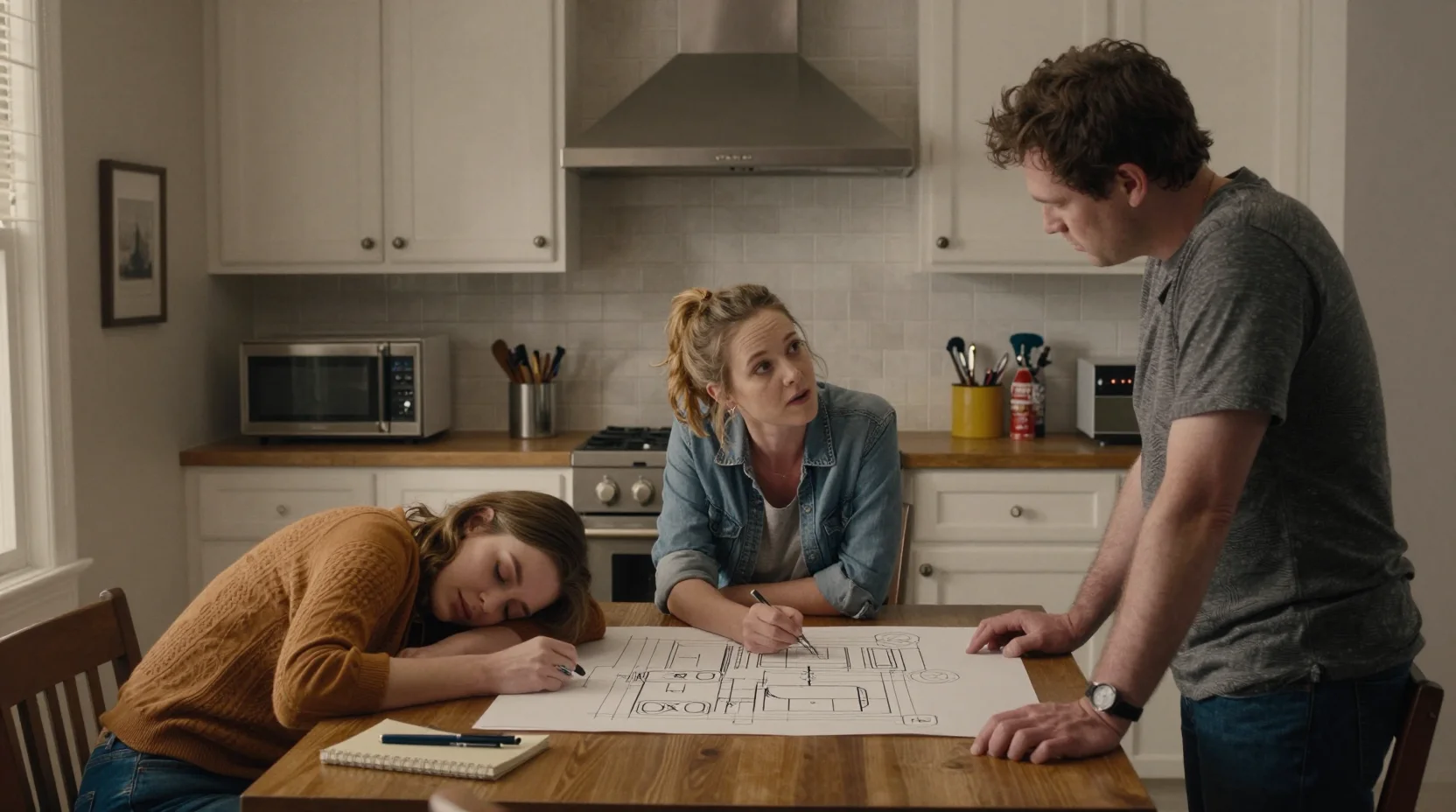
The Blueprint Born from Fear
After hearing about a neighbor's break-in, Evelyn sketches her first security device blueprint at The Clarke Kitchen table while Diane sleeps, then shares it with Albert and Margaret, who recognize the innovation born from necessity.
2
The Dismissal
Evelyn and Margaret visit patent attorney Marcus Webb, who dismisses Evelyn's kitchen-table blueprints, forcing her to choose between accepting invisibility or fighting for recognition.
- Story ID
- story_xM3J7oMAR1M-FlwE
- Created
- December 28, 2025
- Art Style
- realistic (photography)
- Status
- published
You may also like