The Typeface of Two Worlds
Dramauplifting3 audio scenes
Ready to read?
1 chapter • 3 scenes
Summary
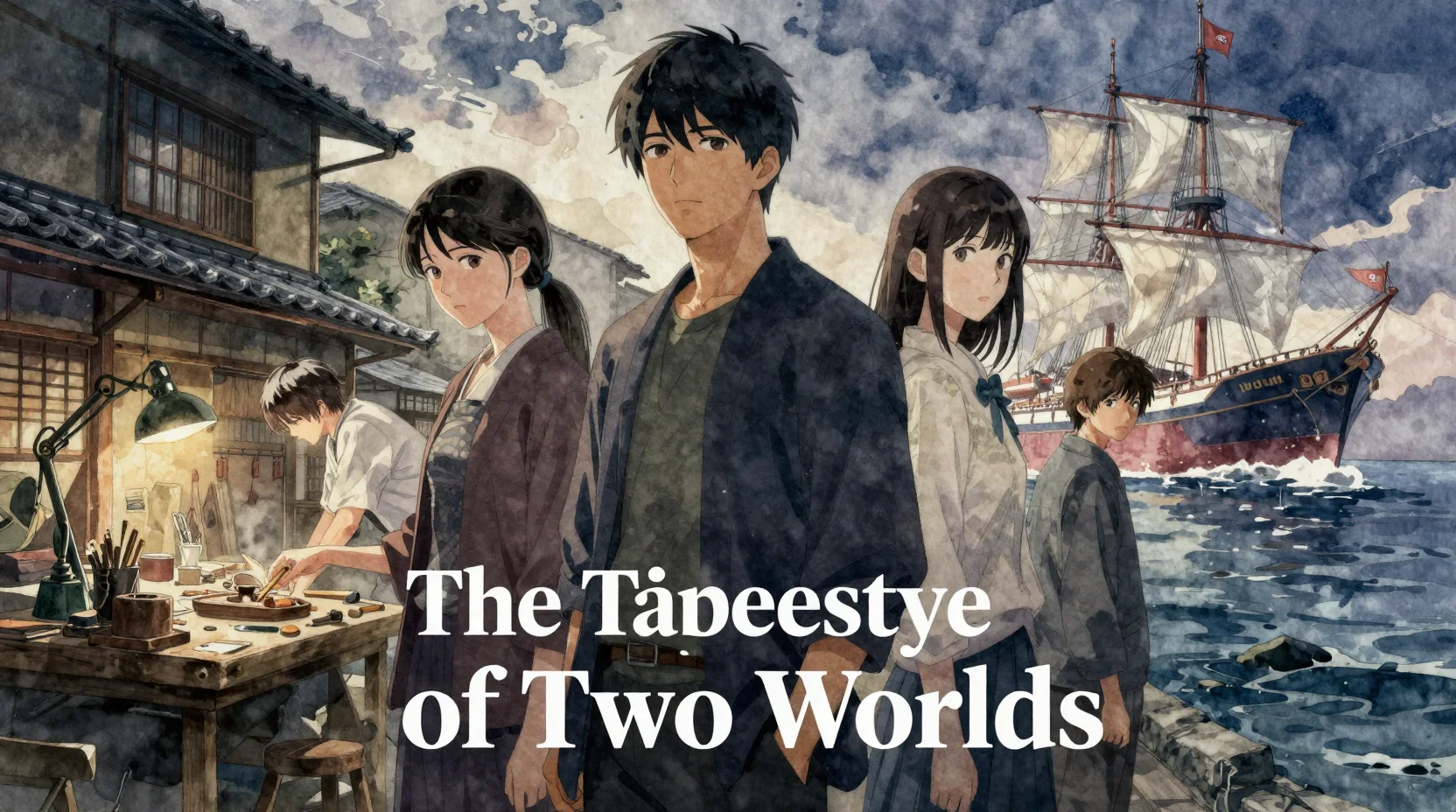
In 17th century Joseon, a talented young artisan named Min-ji creates revolutionary Hangul typefaces, only to discover her designs are being copied without credit by Japanese woodblock print artists across the sea. Her journey to confront the theft transforms into a profound exploration of cultural exchange, artistic integrity, and the universal language of beauty during the Renaissance's spread of printing technology.
Characters
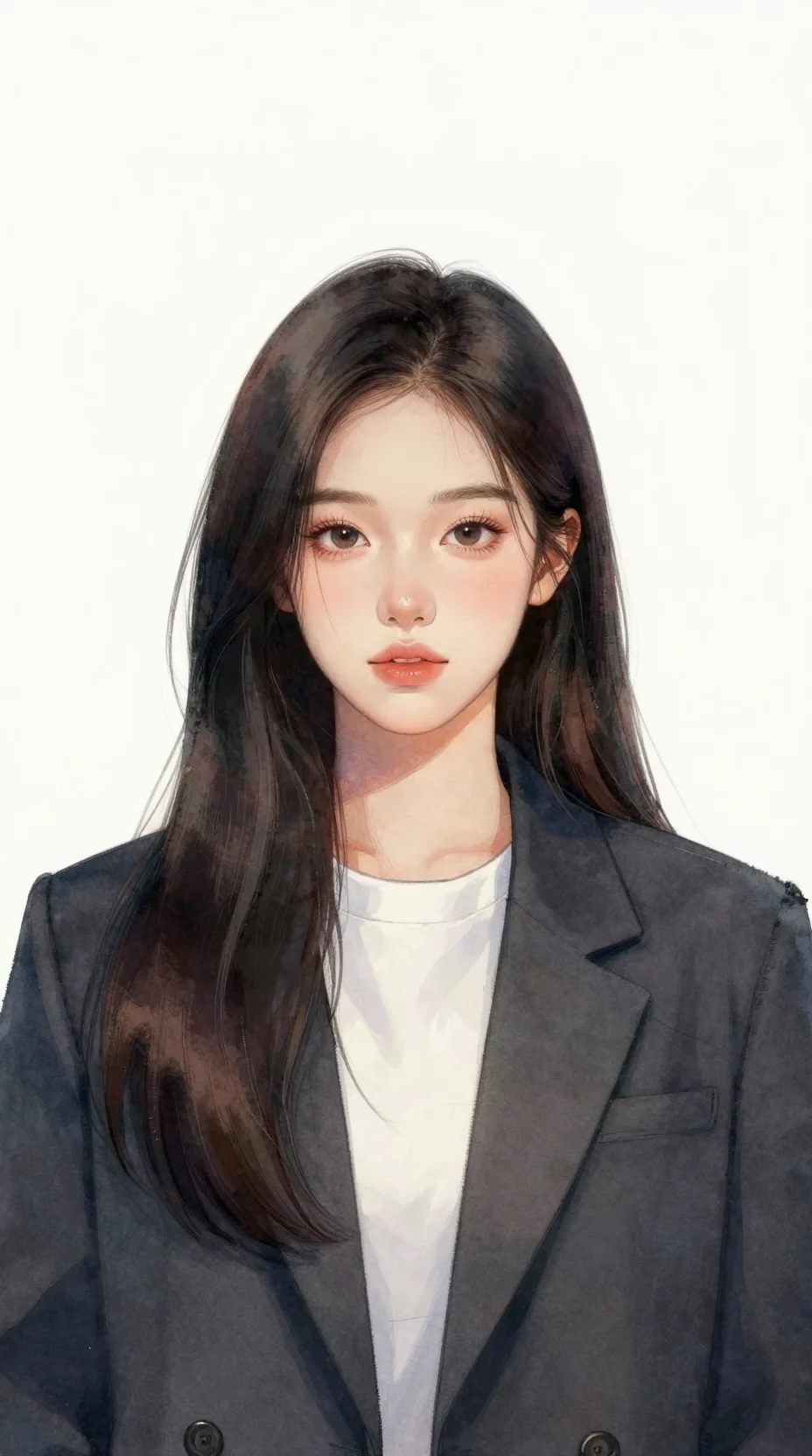
Min-ji
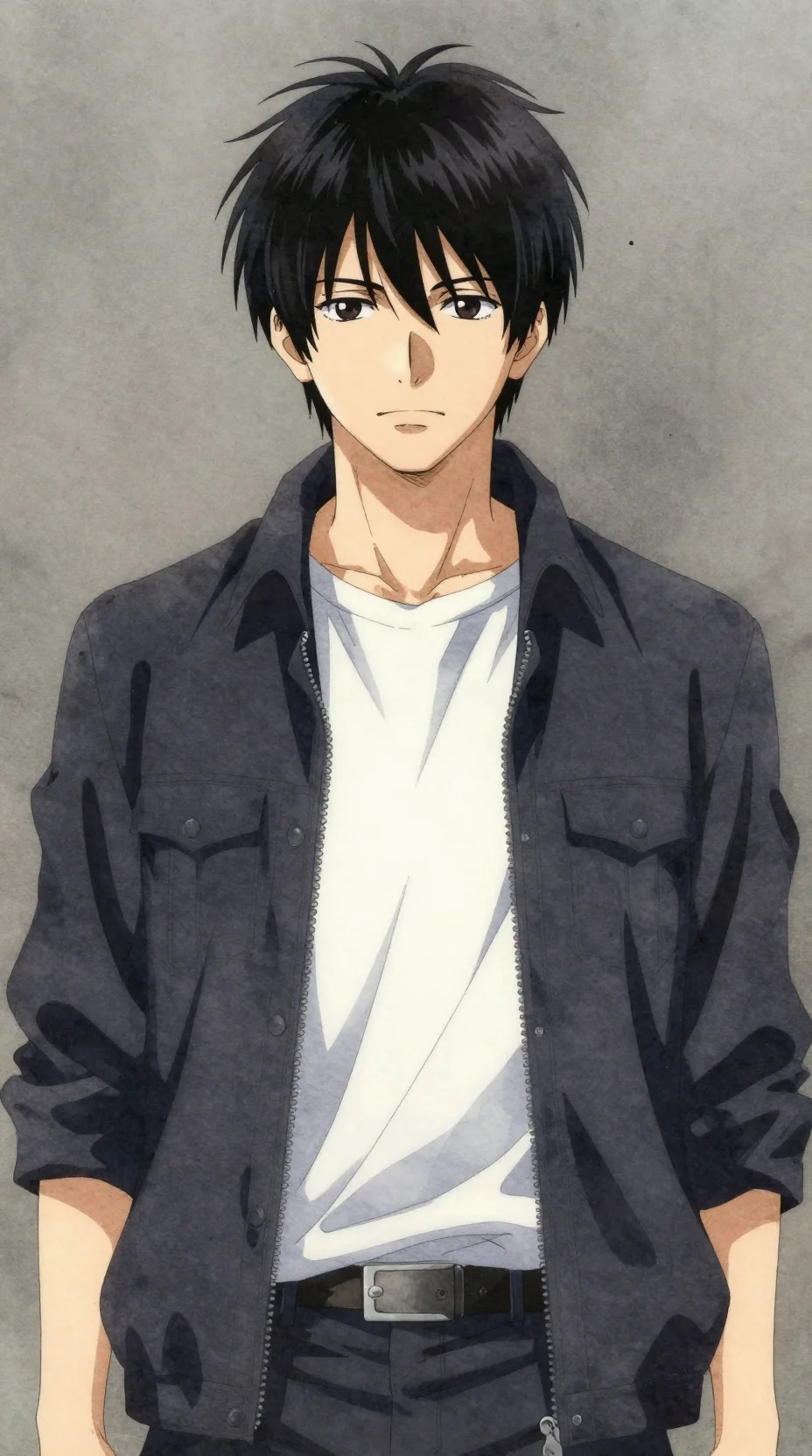
Hiroto
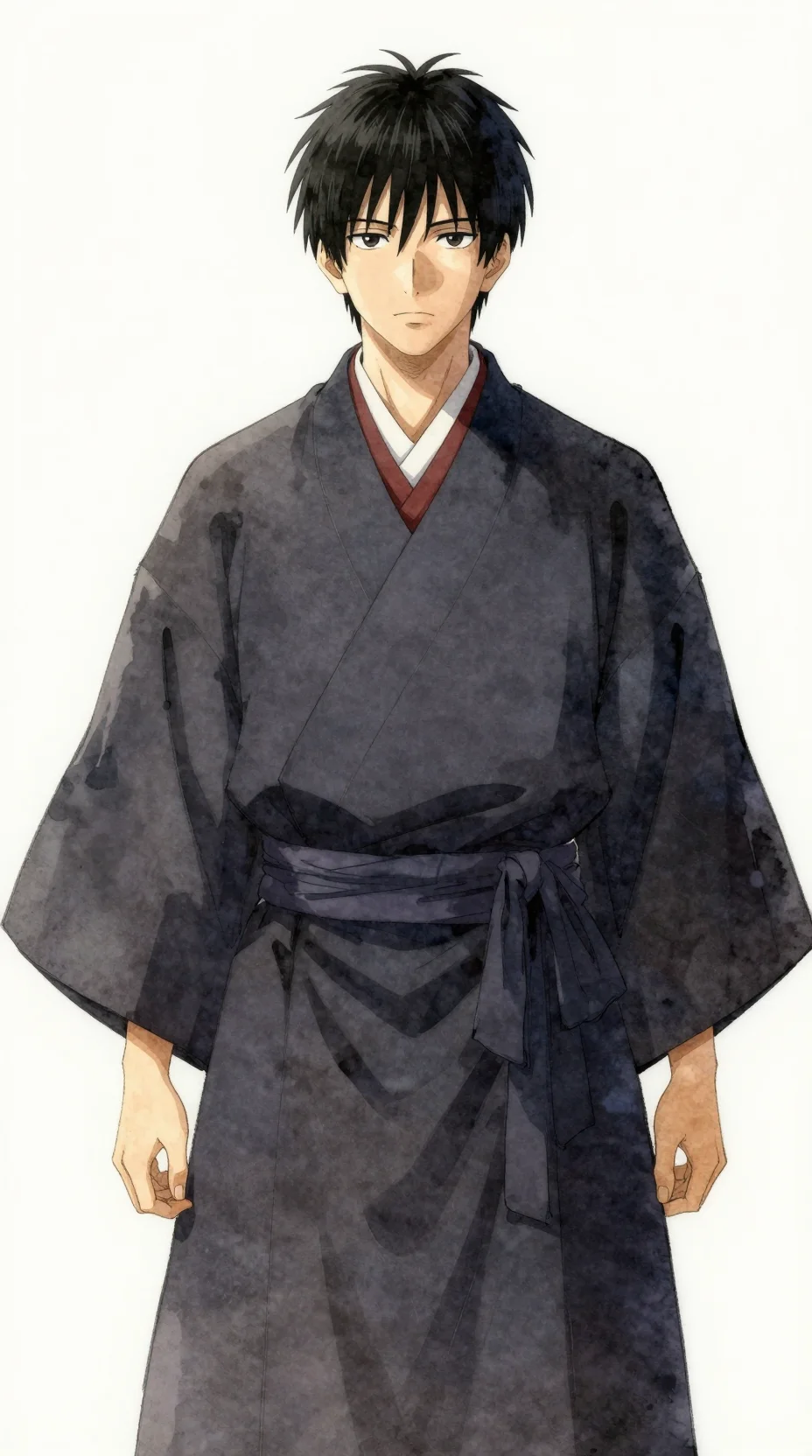
Master Kenji
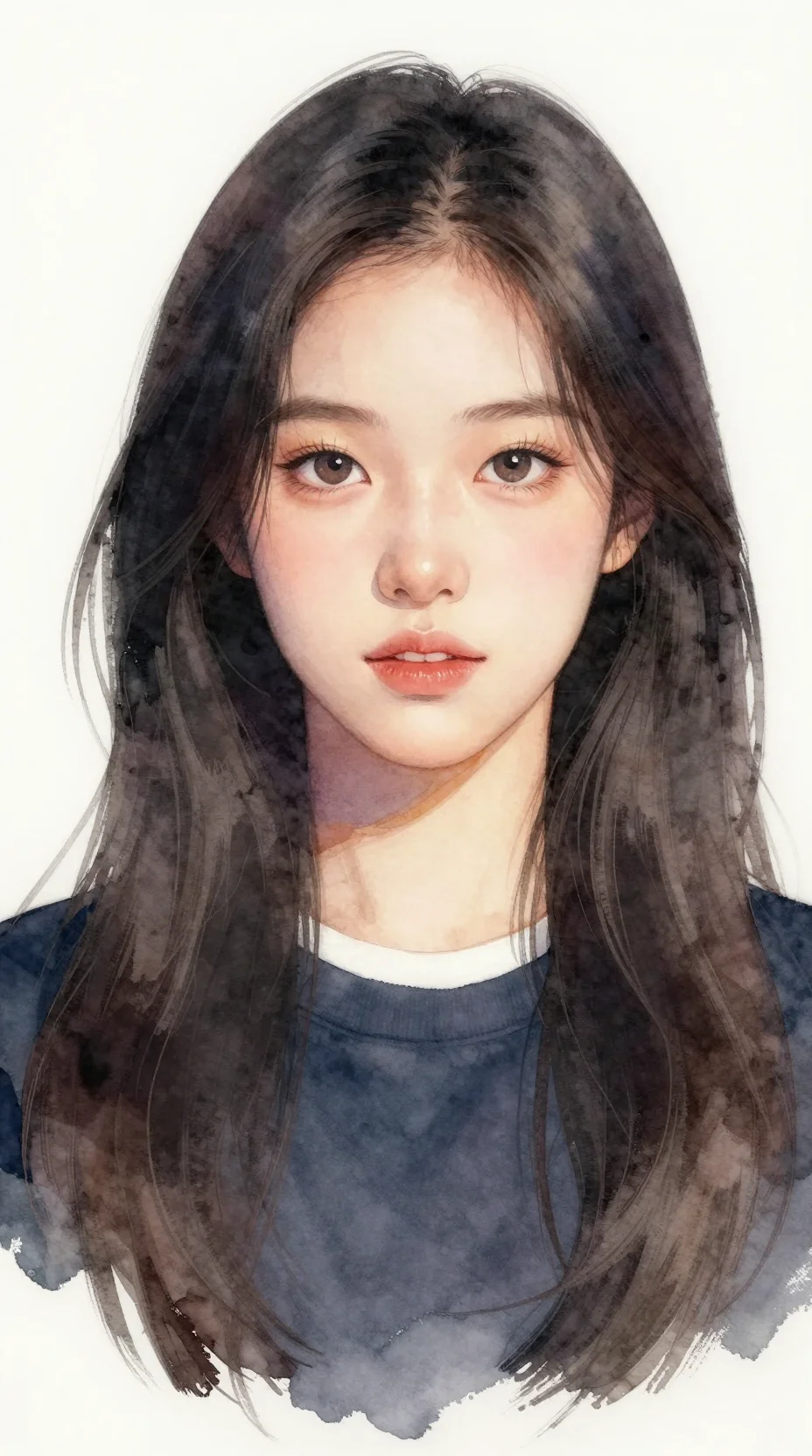
So-young
Settings
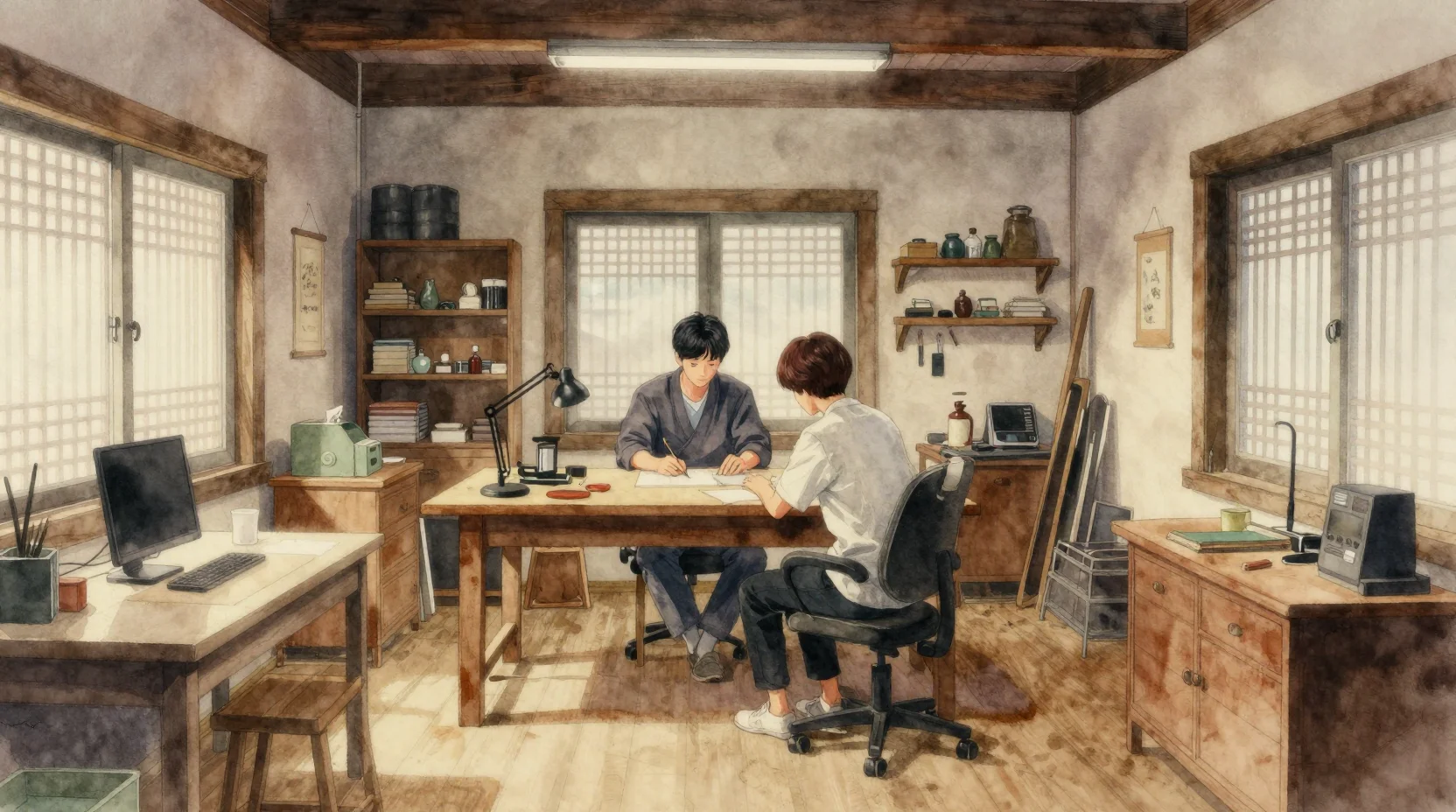
Min-ji's Workshop in Hanyang
Intimate guarded sanctuary
A small, sun-dappled room in Hanyang's artisan quarter where carved wooden type blocks line the walls like soldiers, each one polished to a warm glow. The work table dominates the center, its surface scarred by years of carving tools and stained with ink, while paper screens filter light into patterns that dance across the floorboards.
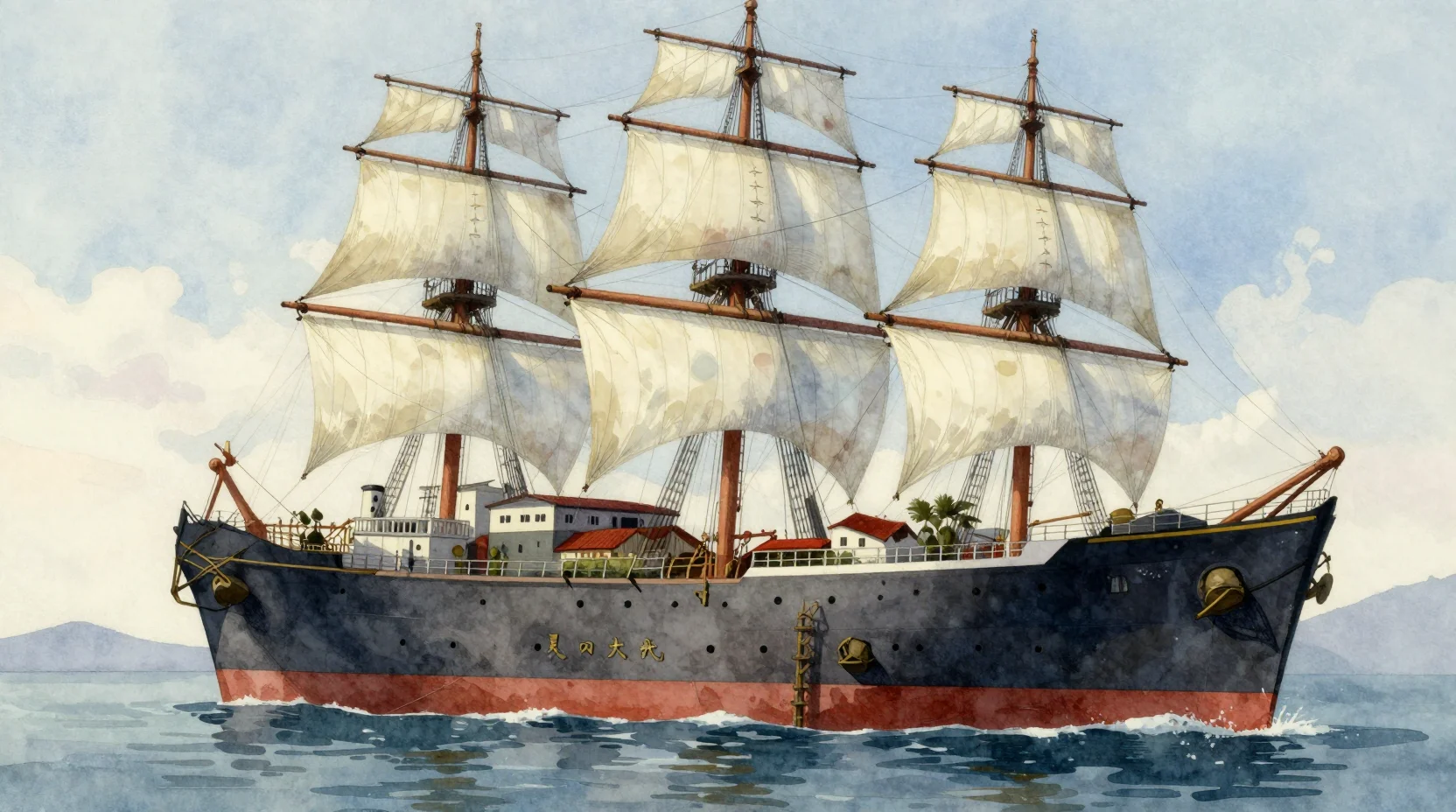
The Merchant Ship to Edo
Uncertain liminal space
A weathered Korean vessel crossing the East Sea, its wooden hull creaking with every swell. The cramped cargo hold smells of salt, dried fish, and paper. Min-ji and So-young share quarters with bales of silk and crates of ceramics, sleeping on thin mats while waves rock them between worlds.
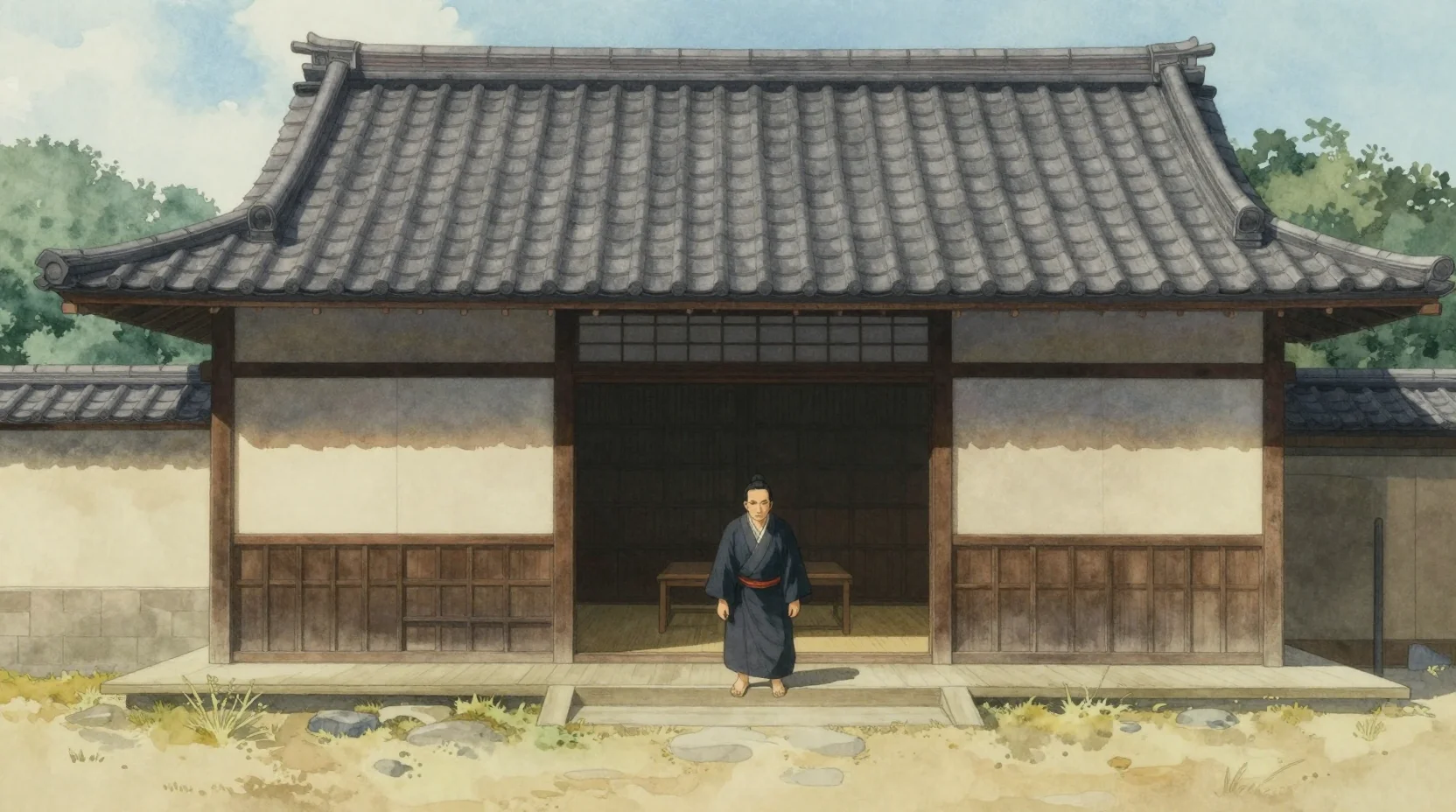
Kenji's Studio in Edo
Collaborative creative space
A spacious workshop in Edo's pleasure district, its paper walls opening to a garden where cherry blossoms drift across stone paths. Multiple workstations host apprentices carving woodblocks, mixing pigments, and testing prints. The air hums with conversation and the scent of fresh ink.
Story Structure
1
The Protected Circle
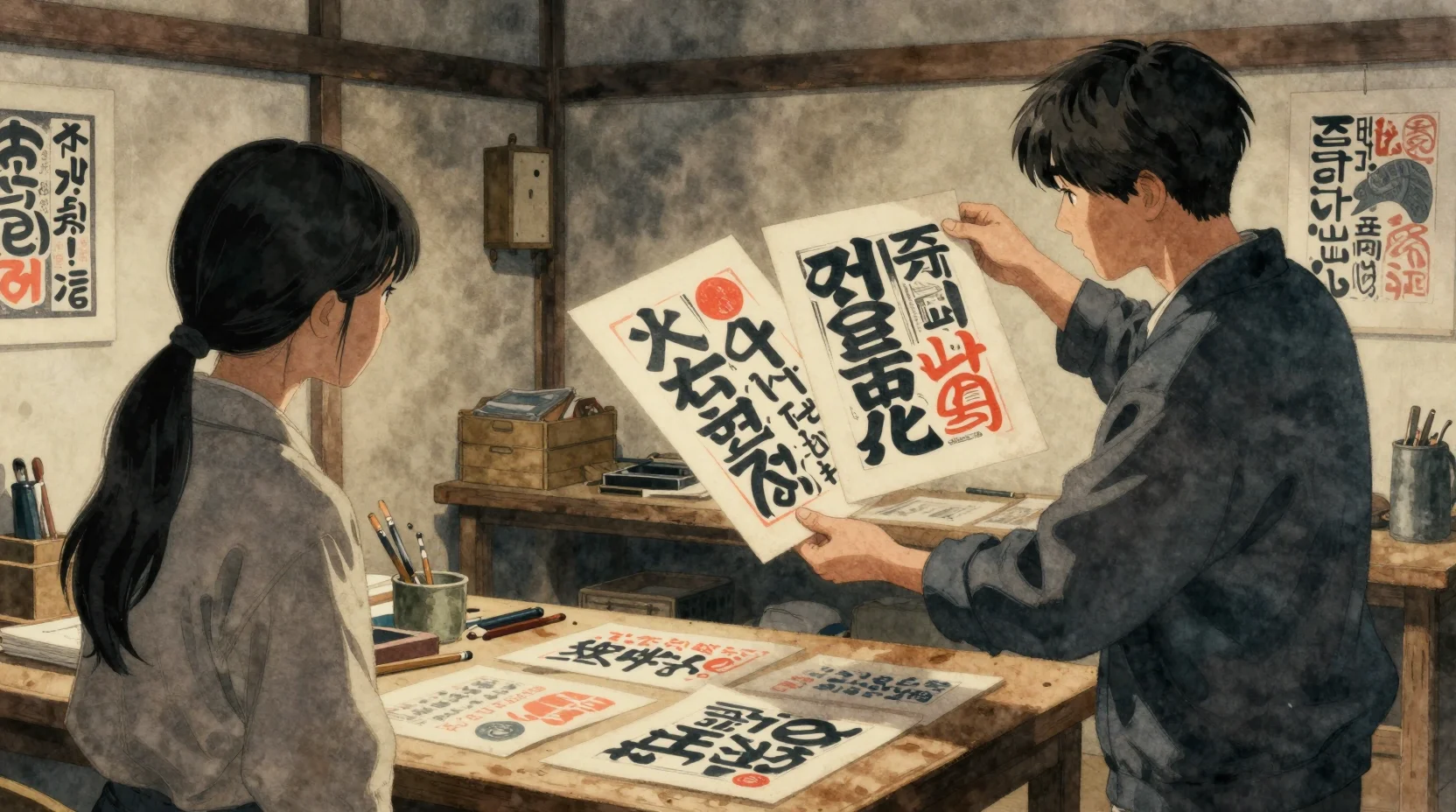
Min-ji works in isolation in her Hanyang workshop, perfecting her revolutionary Hangul typefaces while So-young manages their small business. When a merchant returns from Japan with woodblock prints featuring her exact typeface curves, her protected world shatters.
1
The Protected Circle - Complete
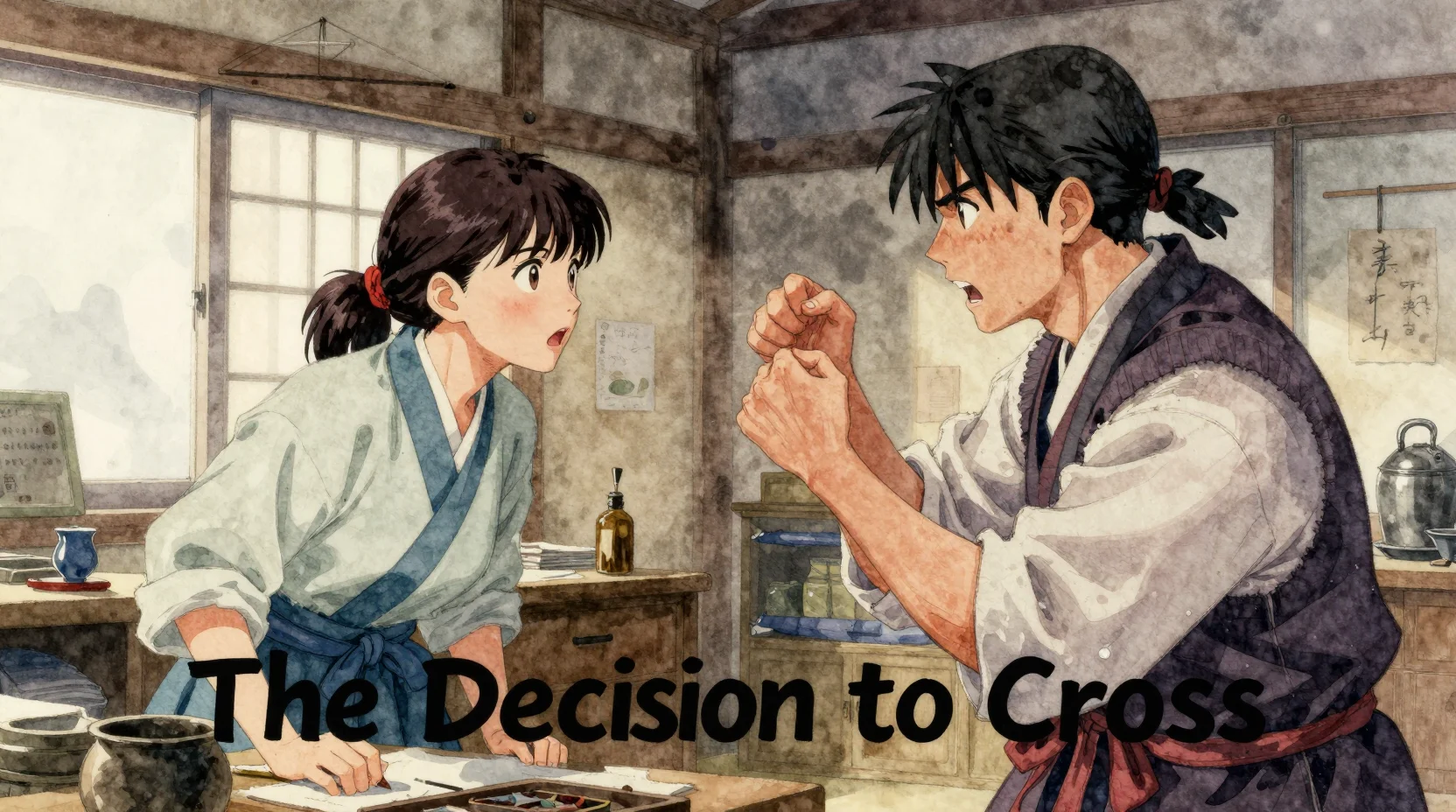
Min-ji discovers her father's journals revealing his dream of accessible Hangul typefaces, then encounters a merchant displaying Japanese woodblock prints with her stolen design elements, leading to an explosive confrontation with So-young about whether to pursue justice across the sea.
1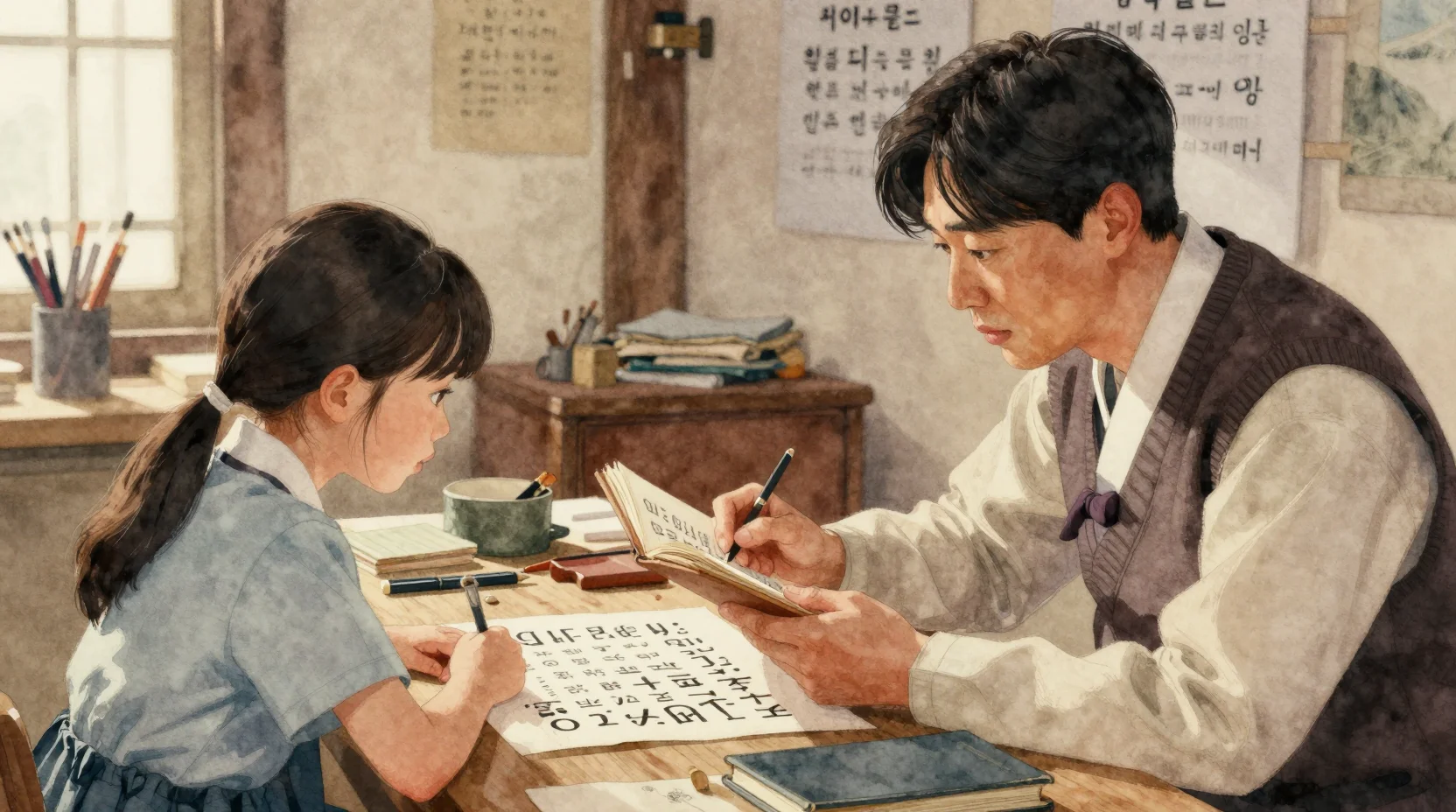
Father's Hidden Dream
Min-ji discovers her father's hidden journals revealing his dream of creating beautiful, accessible Hangul typefaces for common people, deepening her connection to his legacy and fueling her perfectionist drive.
2
The Stolen Curves
- Story ID
- story_wp8wwgz6txUb9SVb
- Created
- January 12, 2026
- Art Style
- watercolor (traditional)
- Status
- published
You may also like