1 chapter • 3 scenes
On January 15, 1919, riveter Mae Sullivan watches in horror as the molasses tank she warned about bursts open, unleashing a deadly wave through Boston's North End. Racing against a 15-foot wall of syrup moving at 35 mph, she must save trapped workers while confronting the devastating consequences of ignored warnings.


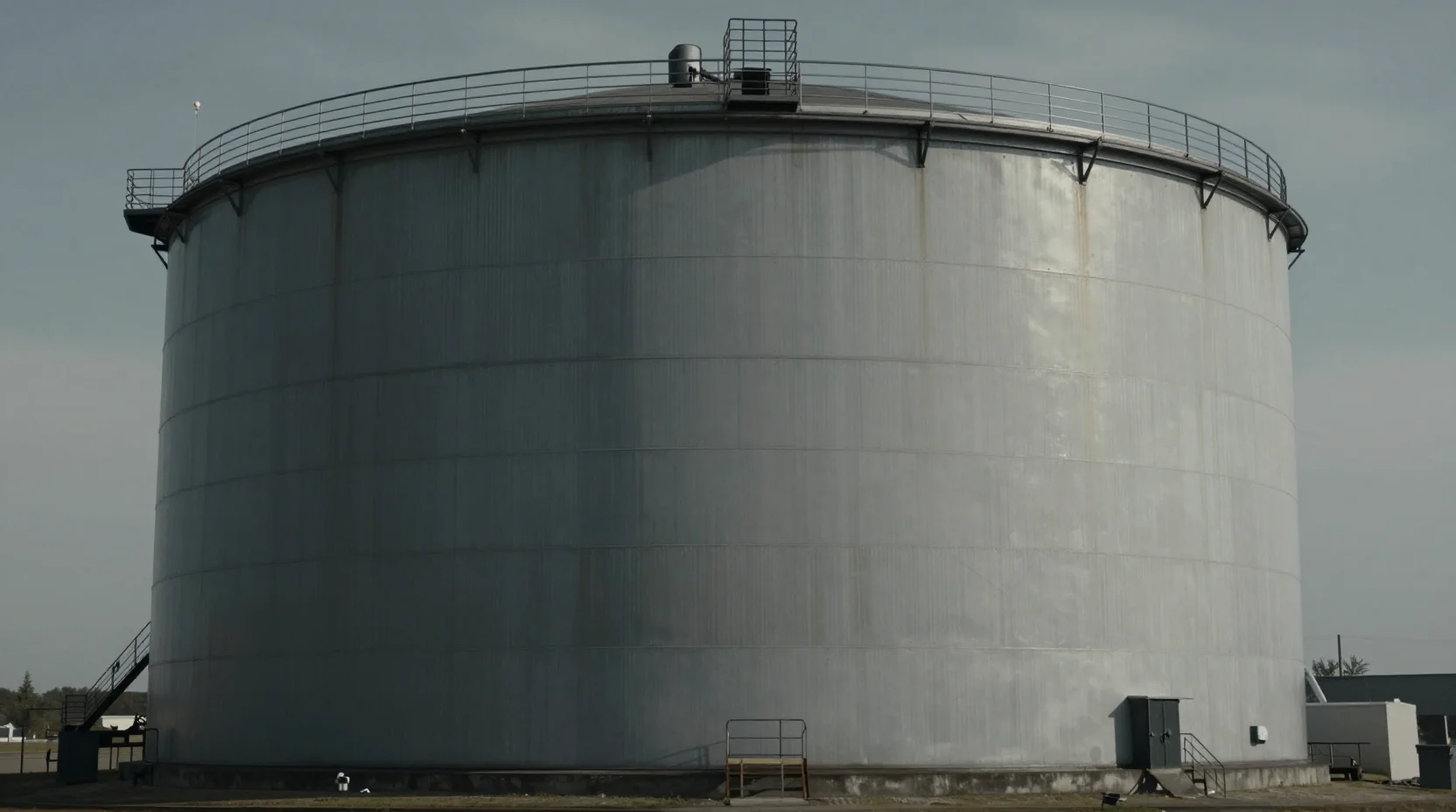
A rusted steel cylinder fifty feet high, groaning with pressure, leaking dark syrup through popping rivets. The air reeks of fermented sweetness masking the stench of industrial neglect.

Wood-paneled room with frosted glass door, filing cabinets lined with pristine records that document everything and prove nothing. The single window overlooks the tank yard.
Mae's complete arc from diligent documenter to fierce advocate unfolds in a single catastrophic day—her virtue of courage tested through ignored warnings, the devastating flood, and her choice to fight for accountability.
On January 15, 1919, Mae's final inspection confirms her worst fears, the tank bursts in catastrophic failure, and she transforms from documenter to rescuer to advocate across one devastating day.
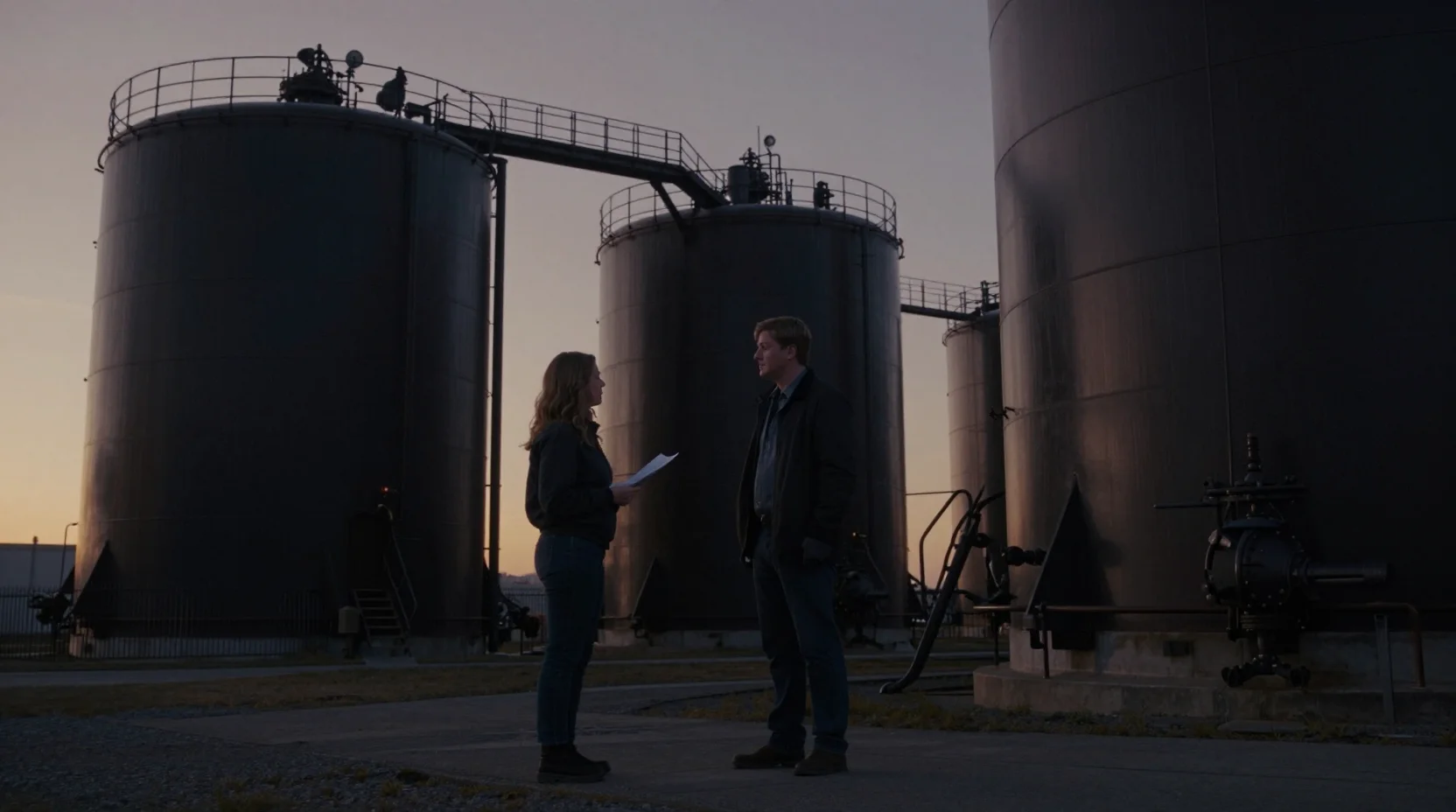
Mae and Joseph arrive early to perform a final inspection of The Molasses Tank as the unseasonably warm January morning expands the molasses, confirming Mae's calculations predict imminent catastrophic failure.

At 12:30 PM the tank explodes with catastrophic force, unleashing 2.3 million gallons of molasses in a 15-foot wave, and Mae must transform from documenter to leader to save trapped workers including Joseph.

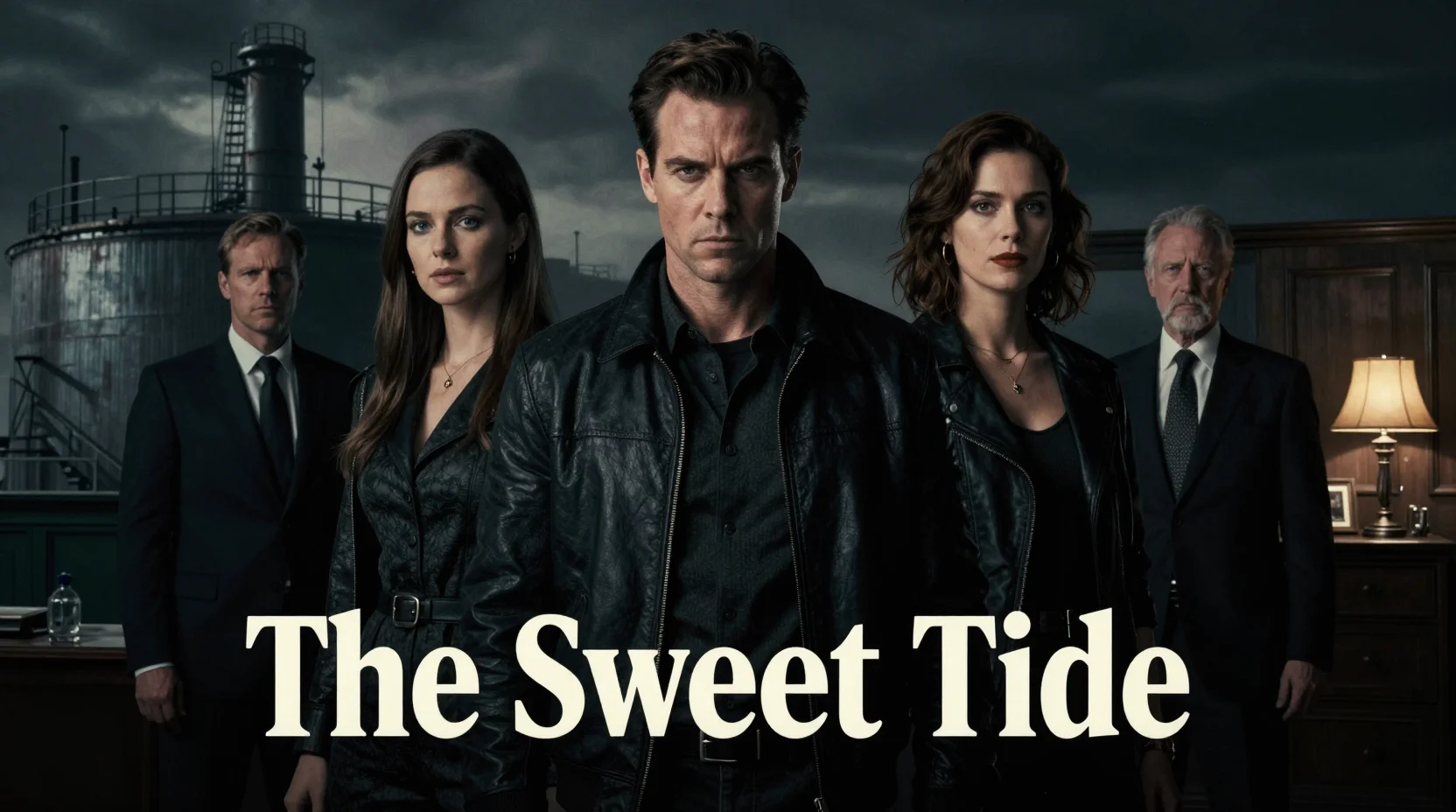
In the aftermath, Mae confronts Arthur Jell in the USIA Supervisor's Office and chooses to testify publicly against corporate negligence, transforming from documenter to advocate who weaponizes her expertise for accountability.