The Last Lecture
Historicalbittersweet3 audio scenes
Ready to read?
1 chapter • 3 scenes
Summary
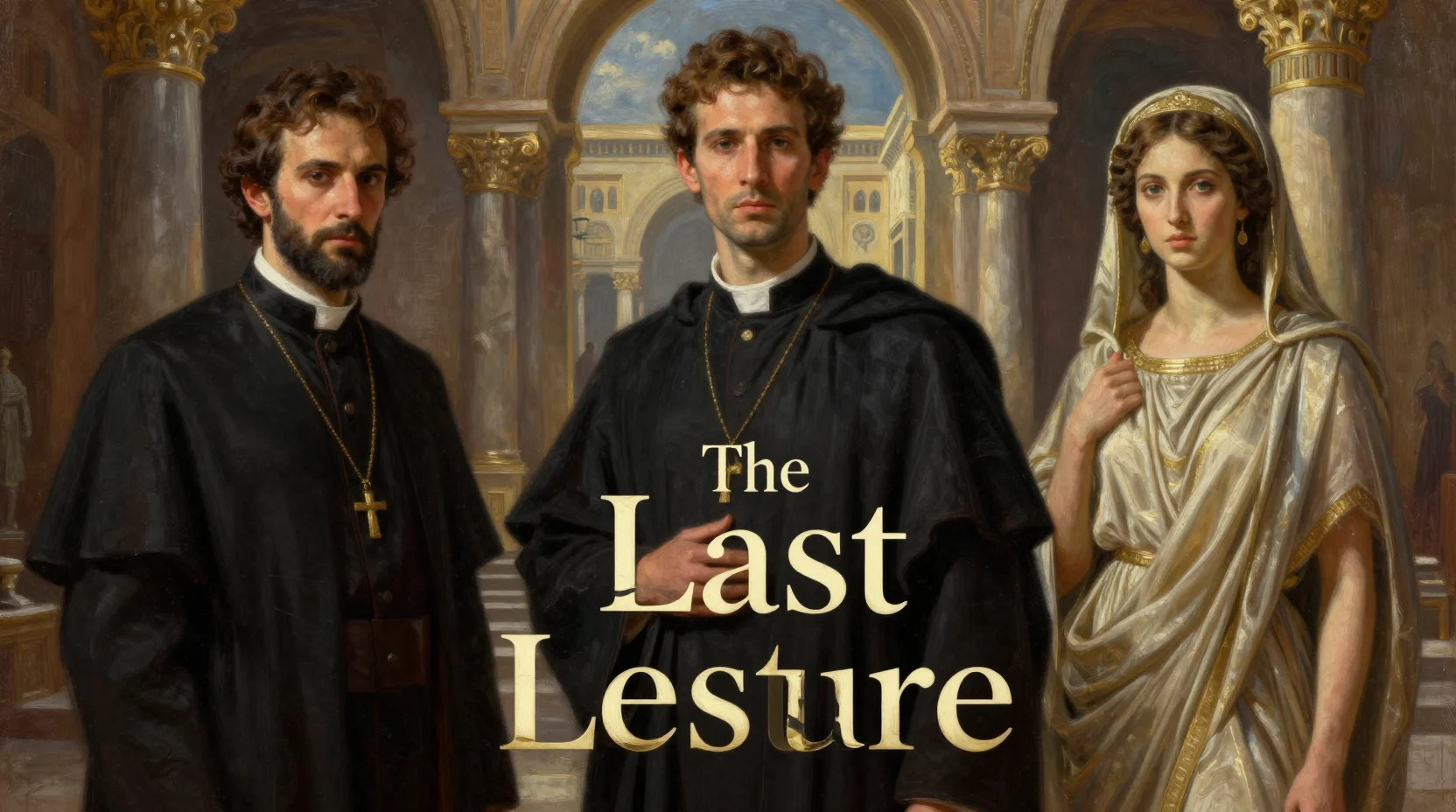
Hypatia of Alexandria, the empire's greatest mathematician and philosopher, stands firm in her pursuit of truth as religious fanaticism engulfs the city in 415 AD. As political tensions between her friend Orestes and Bishop Cyril escalate, Hypatia must choose between abandoning her principles for safety or remaining a beacon of reason in an age descending into darkness.
Characters
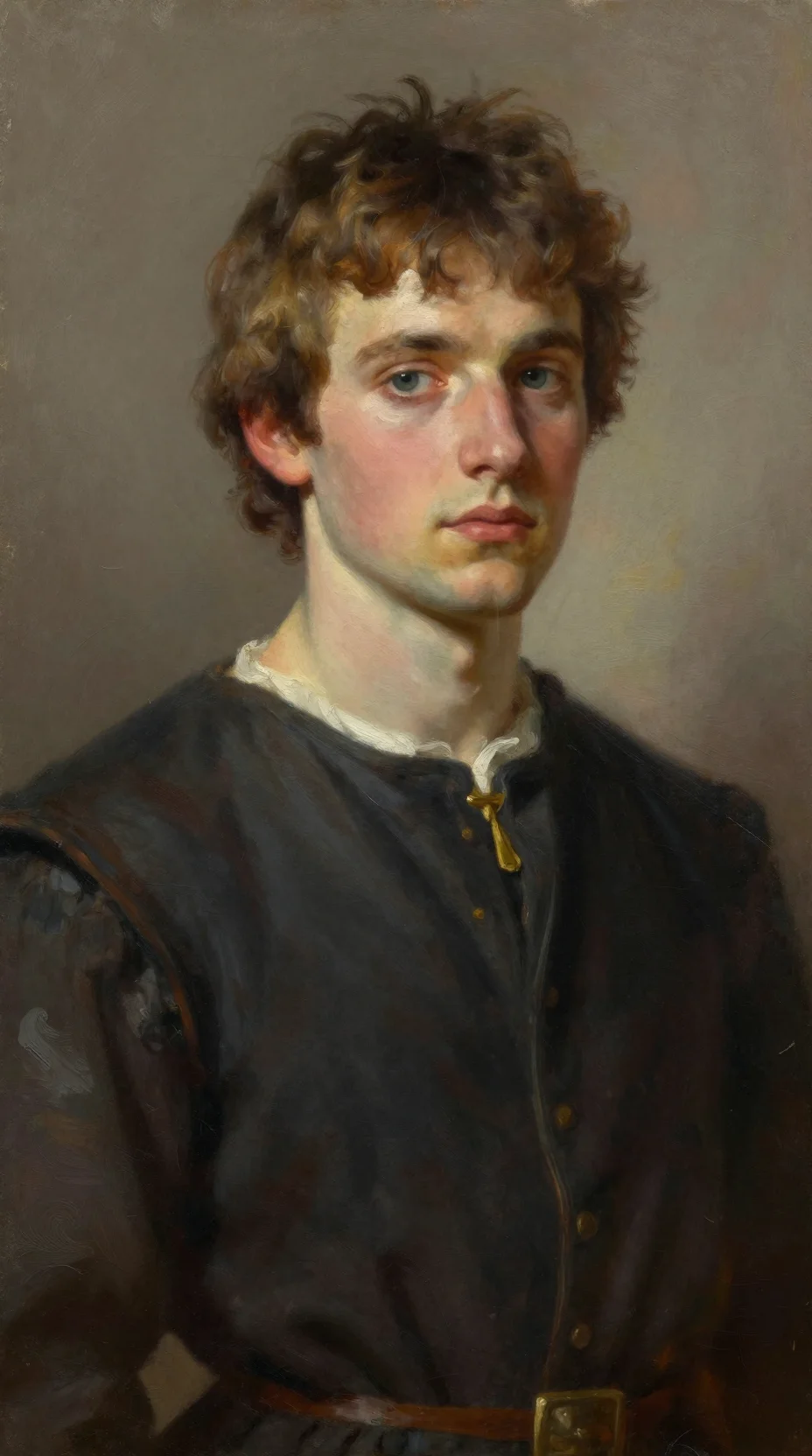
Orestes
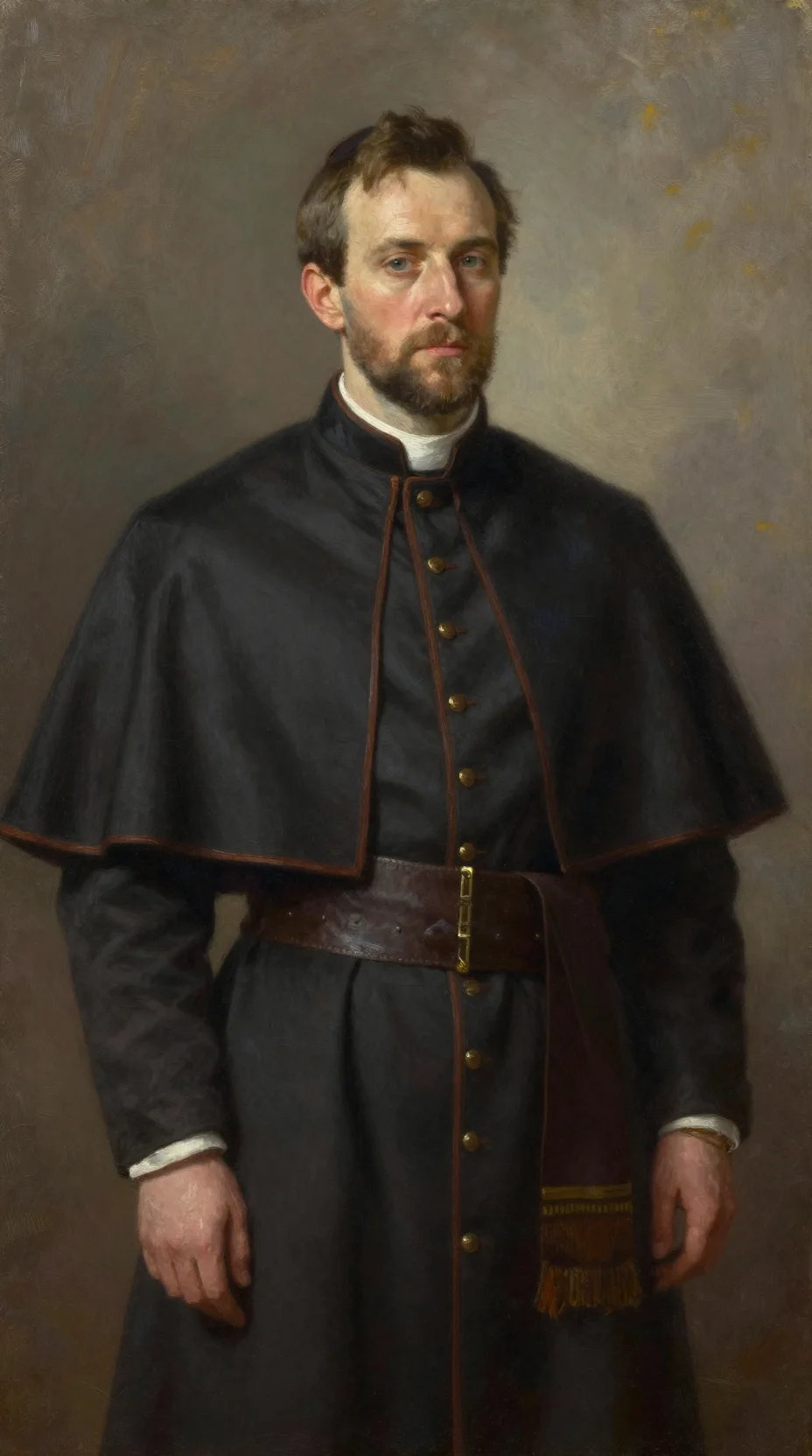
Bishop Cyril
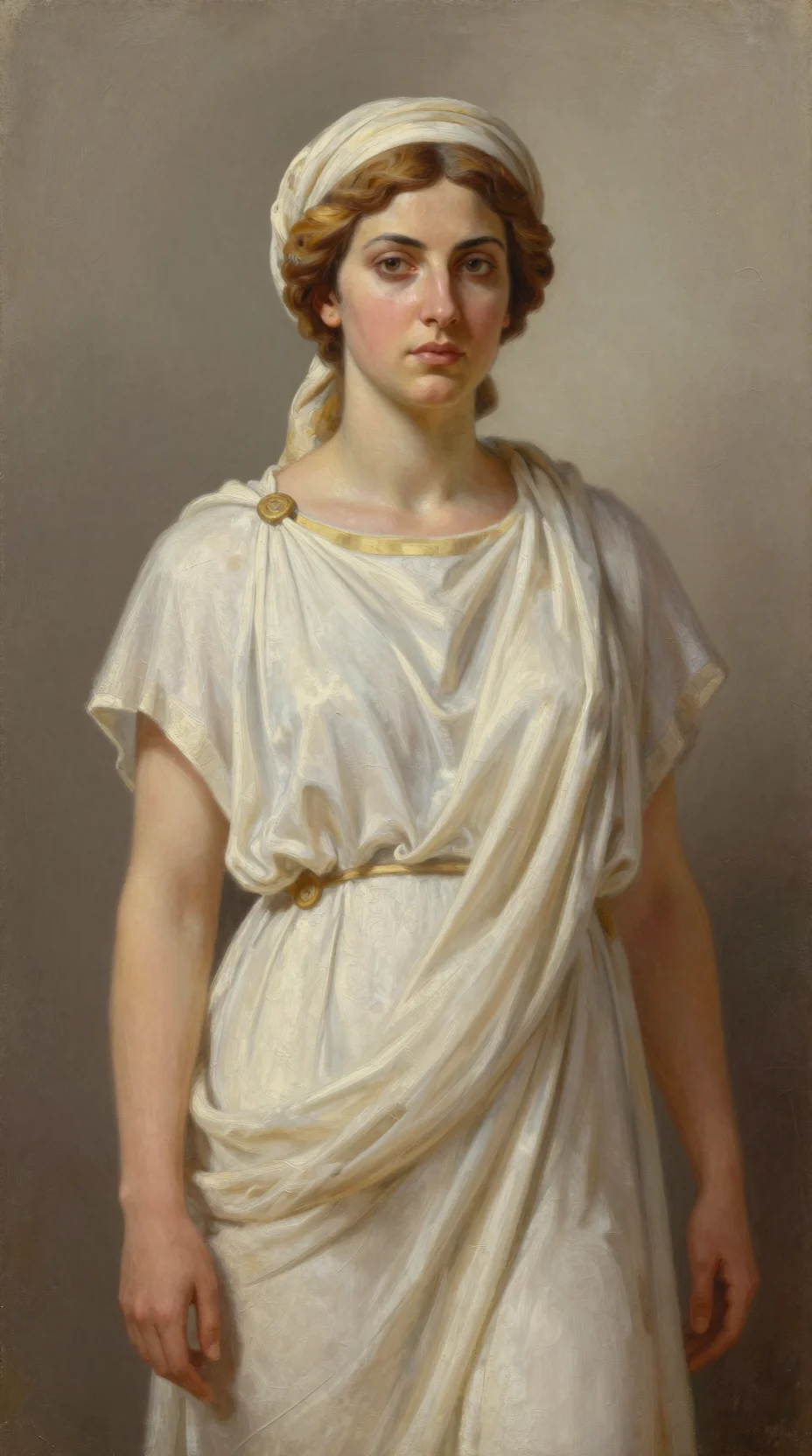
Hypatia of Alexandria
Settings
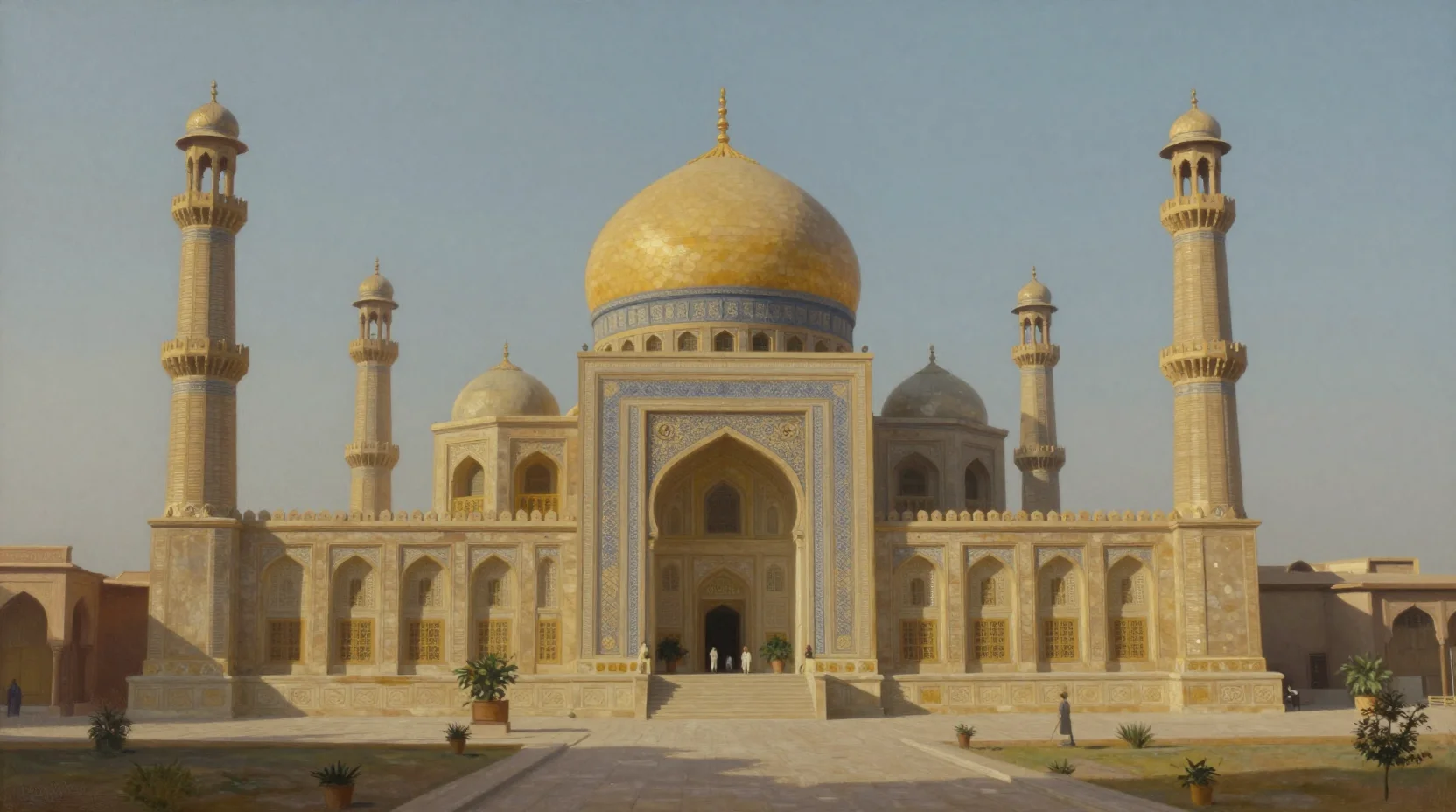
The Kaisarion
Once a pagan temple, now converted to Christian worship, the Kaisarion's marble columns still bear faint traces of defaced inscriptions. Incense smoke hangs heavy in dim candlelight, and the stone floor is worn smooth by centuries of feet - first worshippers, now petitioners to a different god.
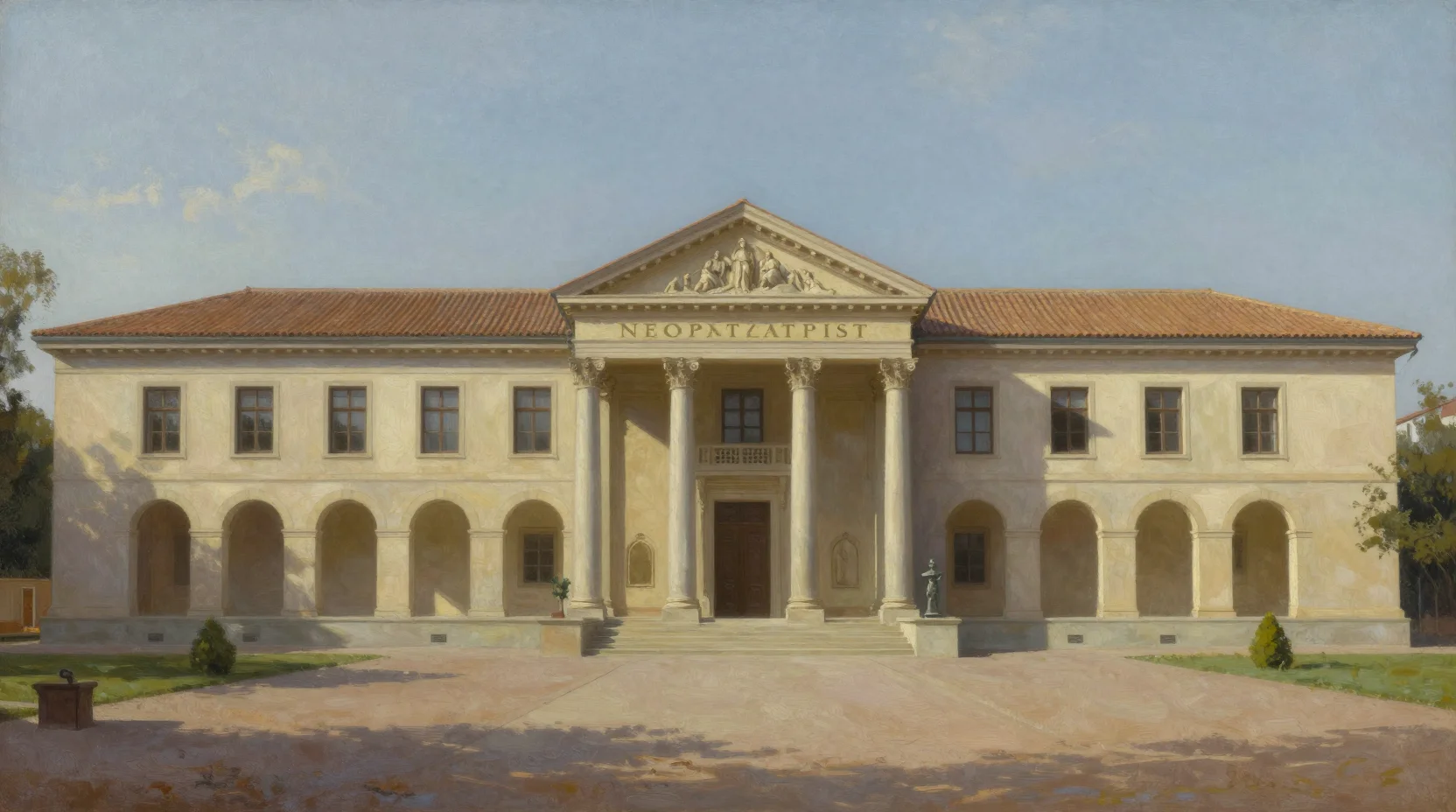
The Neoplatonist School
Sunlight filters through tall windows onto geometric diagrams chalked on marble floors, while scrolls line shelves reaching toward vaulted ceilings. The air smells of papyrus and beeswax, sounds echoing in the high space where Hypatia's voice carries mathematical truths to her students.
Story Structure
1
The Complete Journey
Hypatia's final week in Alexandria unfolds as a complete arc - from confident teacher convinced reason can prevail, through escalating religious violence that tests her commitment to truth, to her martyrdom that transforms her into an eternal symbol of intellectual courage.
1
The Complete Journey - Complete
Hypatia's final week unfolds from her lecture on conic sections through escalating threats to her martyrdom at the Kaisarion, completing the full arc from wisdom's confidence to its eternal triumph.
1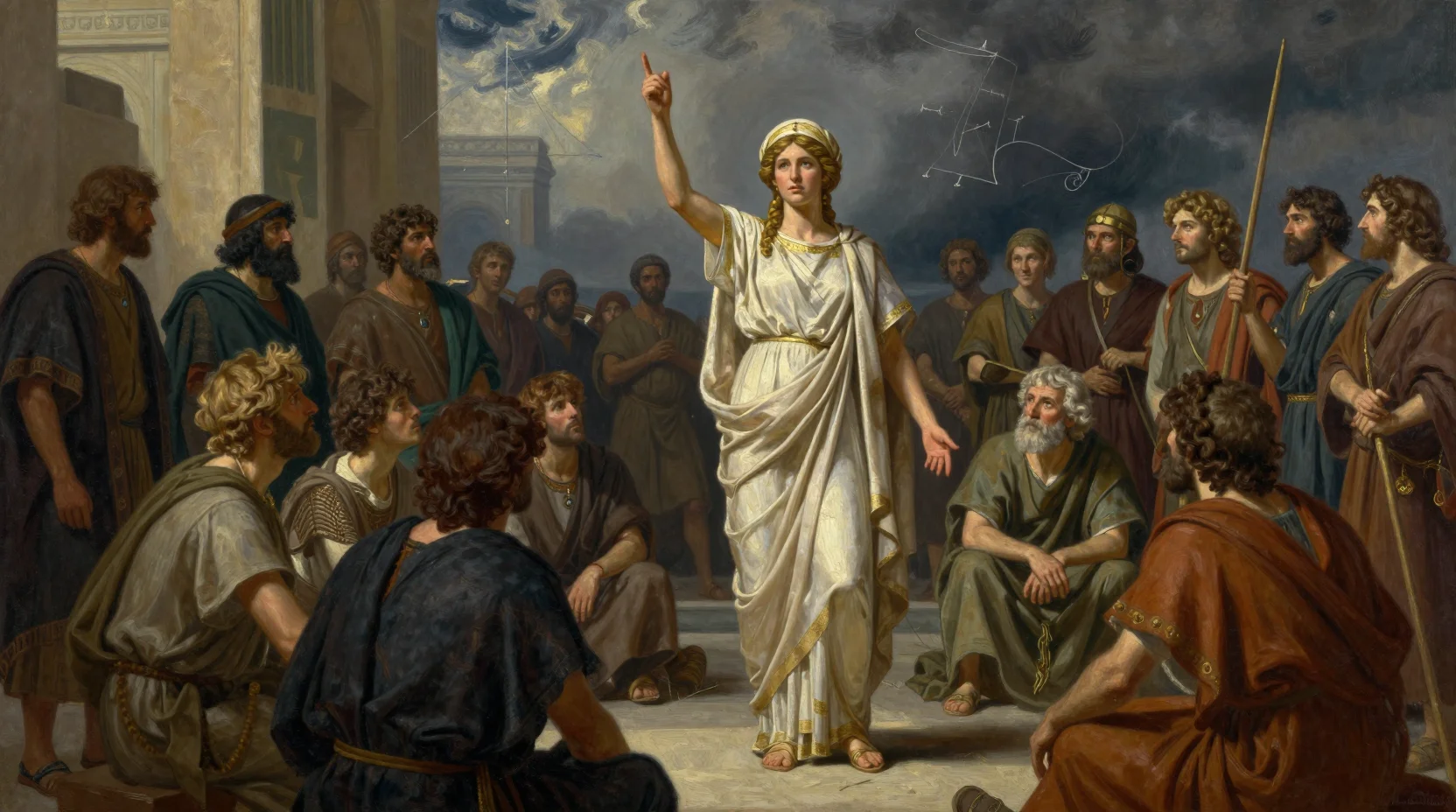
The Lecture and the Storm
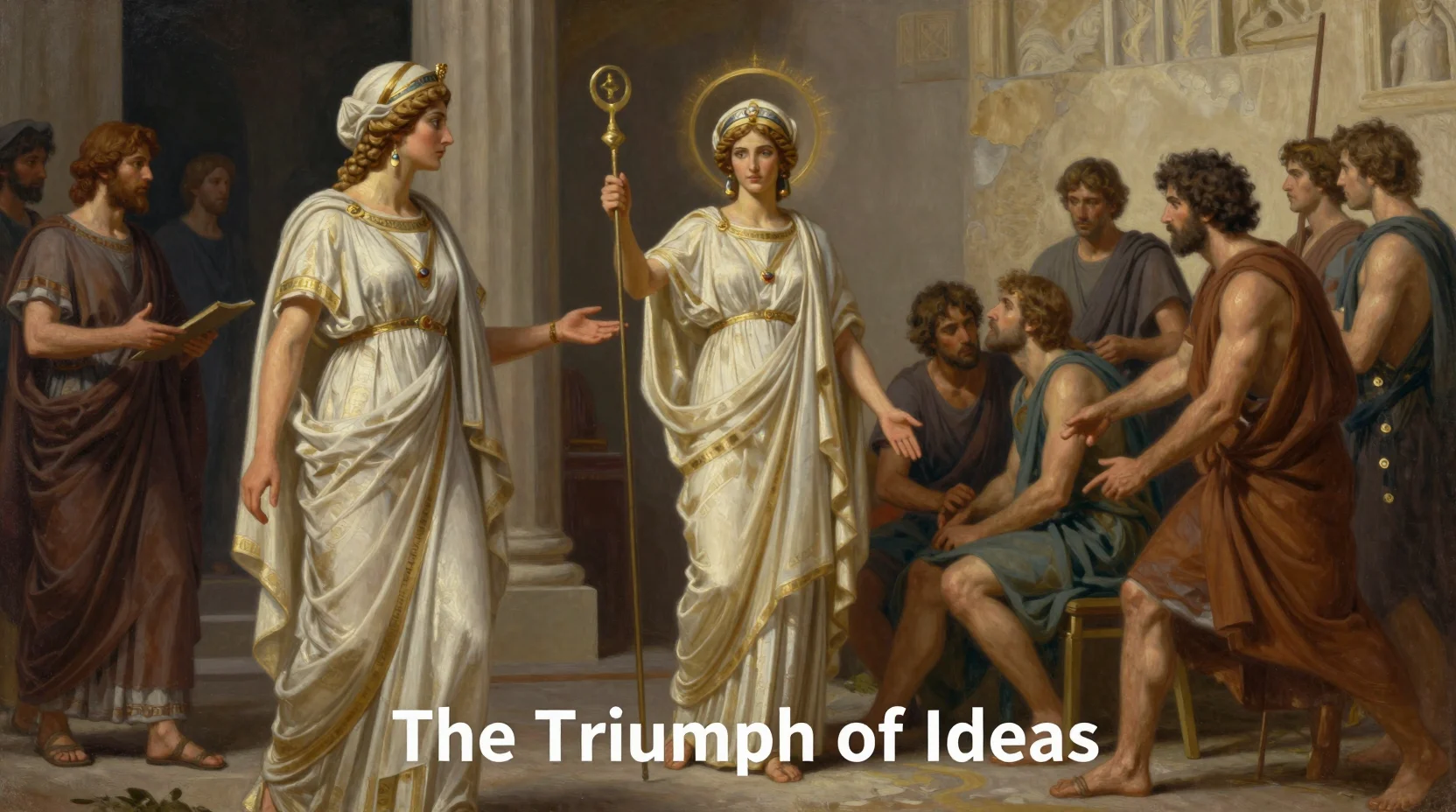
Hypatia teaches conic sections to her students while Cyril's mob gathers outside, establishing her unwavering commitment to truth.
2
The Prefect's Plea
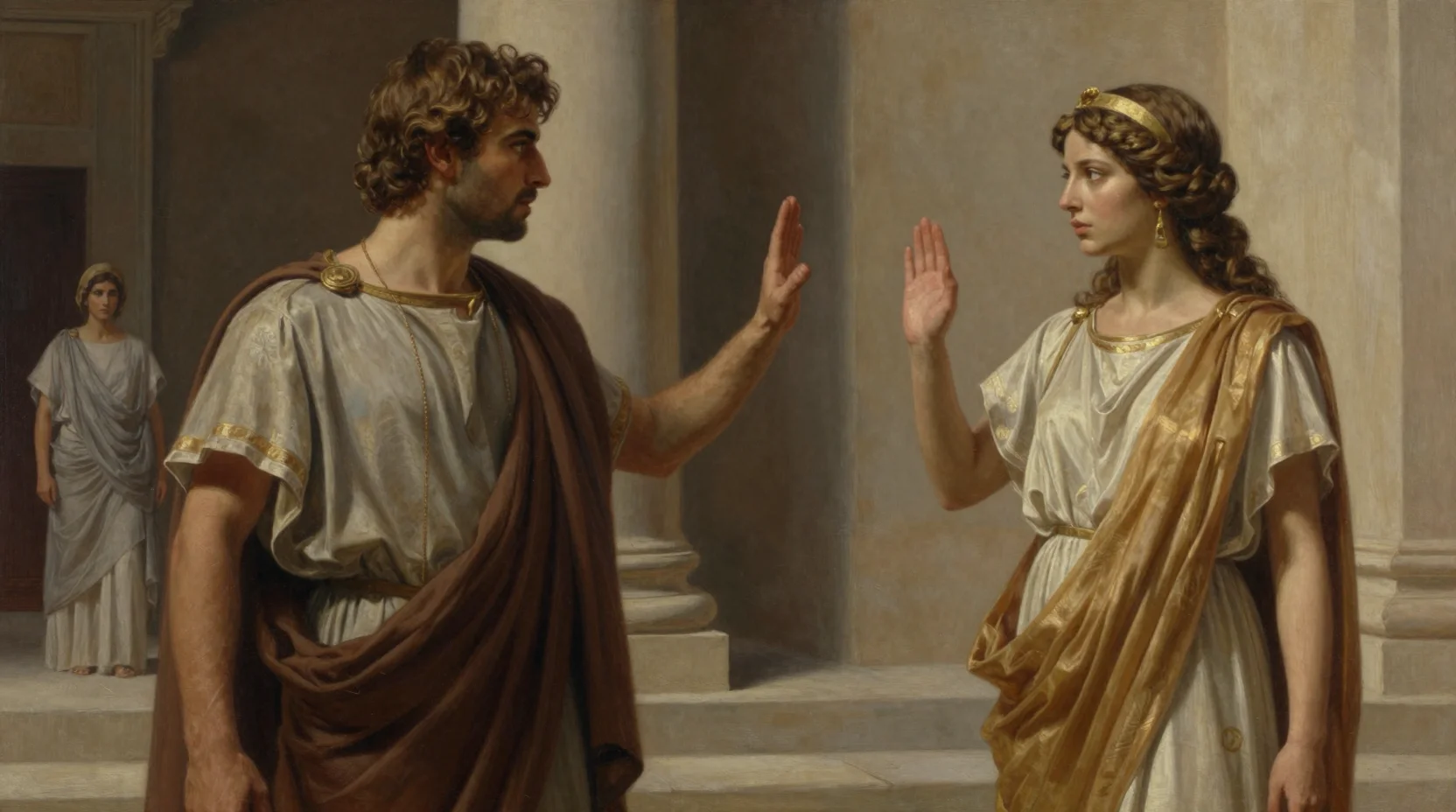
Orestes arrives to warn Hypatia, but she refuses to flee, choosing principle over safety.
- Story ID
- story_vlRQwM_1gO3psWNS
- Created
- December 28, 2025
- Art Style
- oil-painting (traditional)
- Status
- published
You may also like