1 chapter • 3 scenes
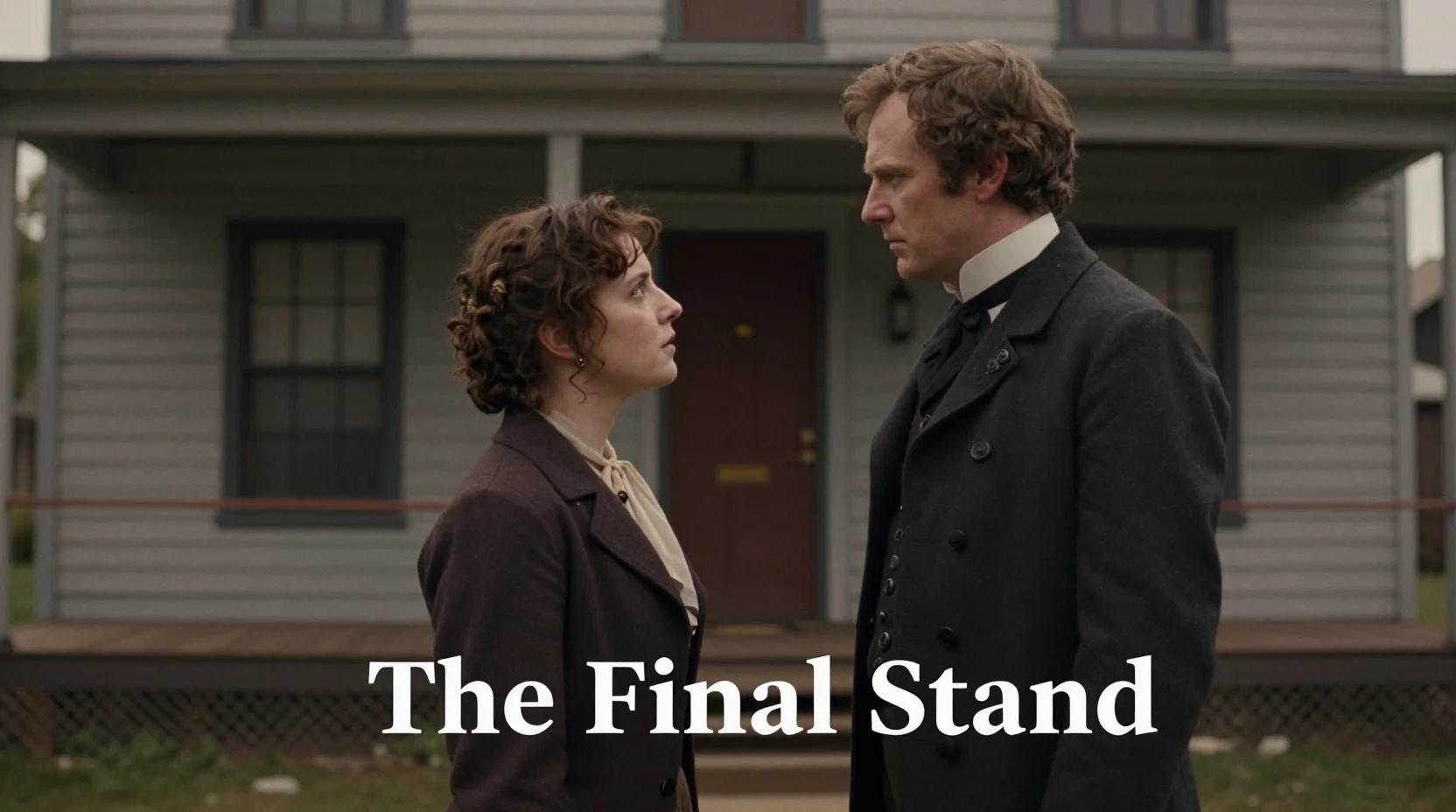
In 1866 Memphis, Frances Thompson survives a brutal massacre and becomes the first known transgender woman to testify before Congress, risking everything to speak truth to power. A decade later, when her enemies weaponize her identity to erase her testimony from history, she wages her final battle for the right to be remembered as she truly was.


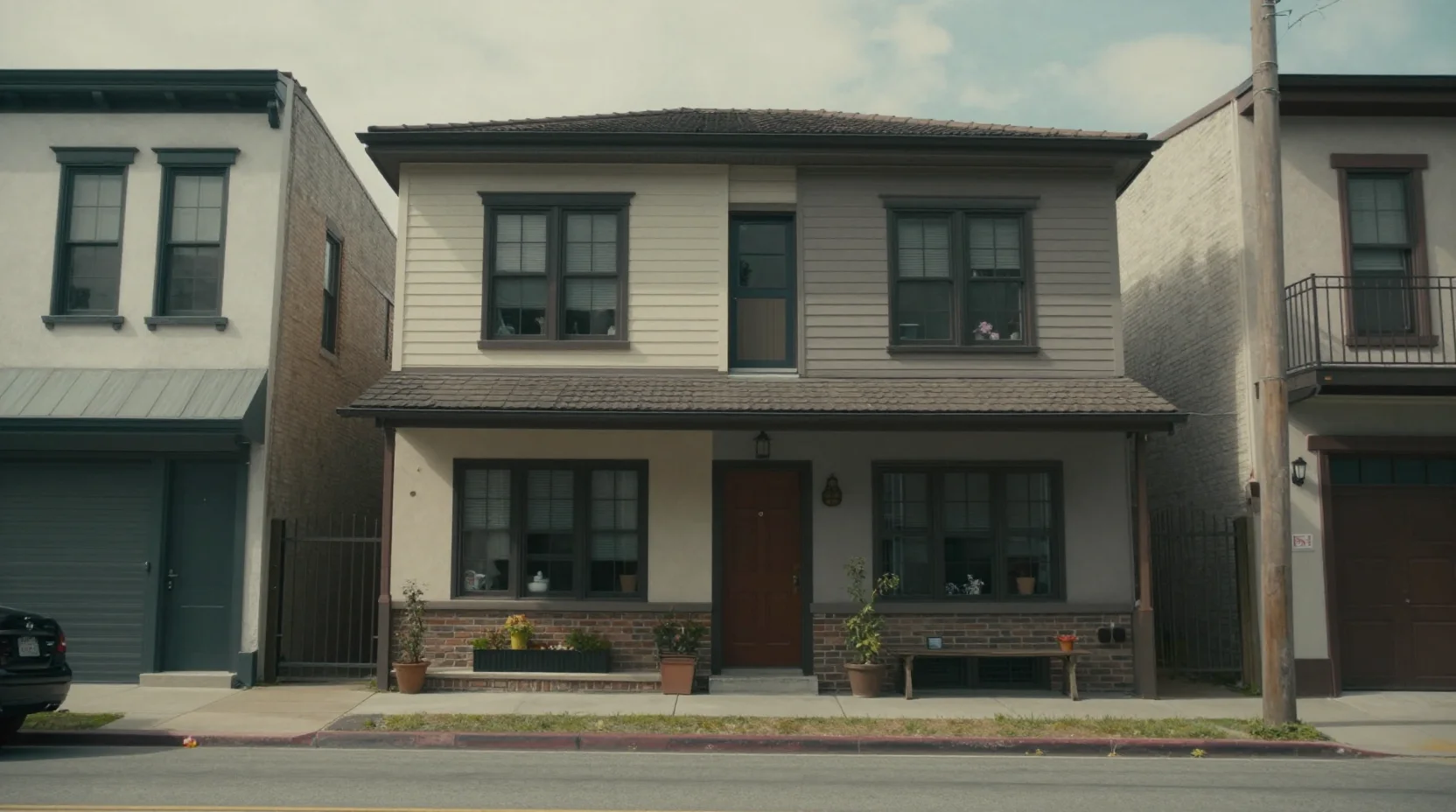
A narrow freedmen's house in Memphis where Frances and Lucy built a life from scraps of safety, now haunted by splintered doorframe and bloodstains scrubbed but not forgotten. The small parlor where they once dreamed of freedom now holds only watchful silence.

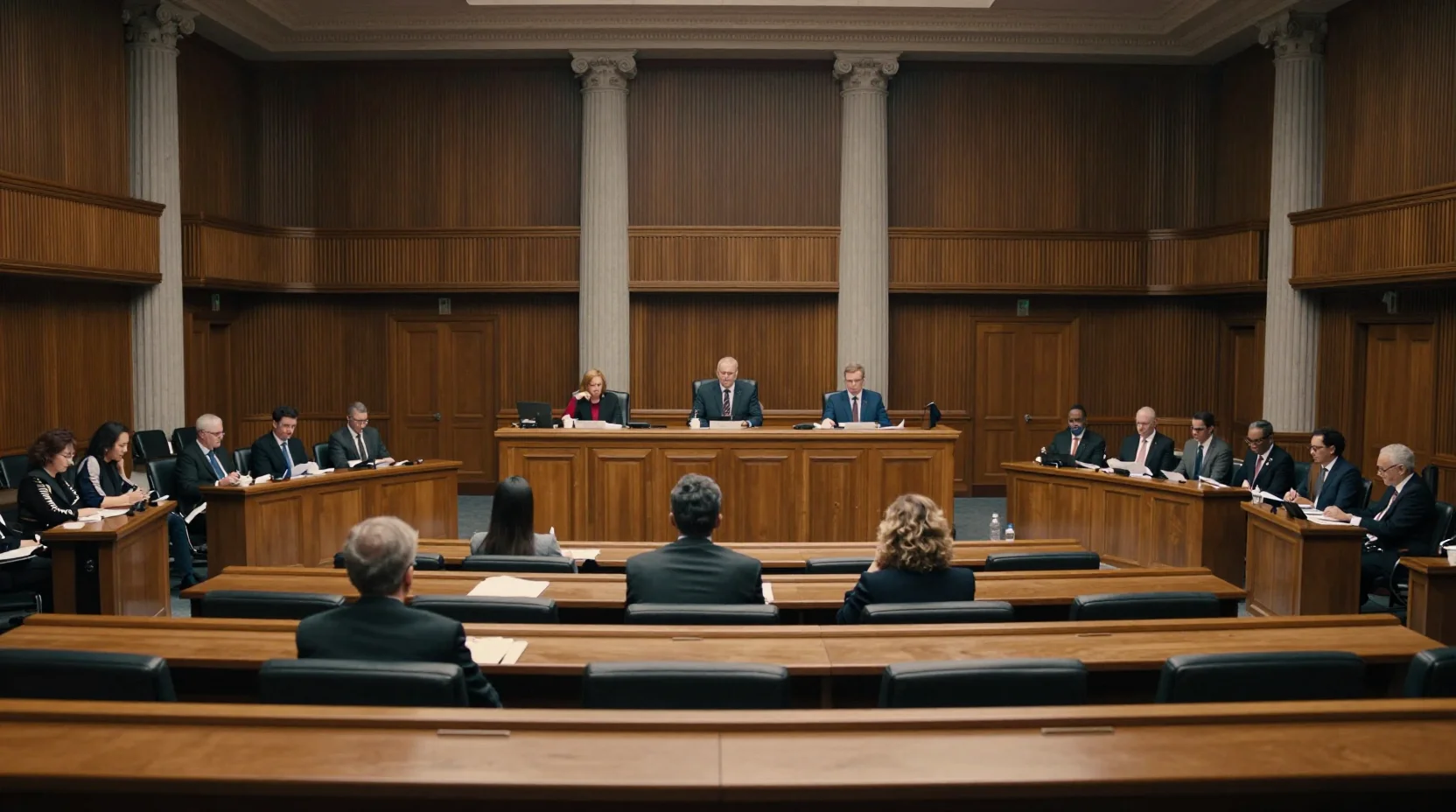
A wood-paneled chamber in Washington where power sits in judgment, the air thick with cigar smoke and the scratch of stenographers' pens recording words that will either become history or be erased. High windows filter weak light onto long tables where congressmen sit elevated above those who testify.
Frances Thompson's complete journey from survivor's silence to defiant transcendence, as she speaks truth before Congress in 1866 and battles erasure a decade later when her identity is weaponized against her testimony.
Frances Thompson's entire journey from the Memphis Massacre through Congressional testimony to her final battle against erasure, chronicling how she transforms from survivor to witness to testament.
In The Shared House on South Street after the Memphis Massacre, Frances and Lucy confront the horror of what happened and Lucy urges Frances to testify despite the risks.

In The Congressional Hearing Room, Frances speaks truth to power before Congressman Washburne's committee while Samuel Bradford watches from the gallery, seeing only propaganda.

1876, back in The Shared House on South Street, Frances learns of her arrest orchestrated by Samuel Bradford and chooses defiance over erasure, cementing her legacy.