Voices in the Valley
Slicehopeful3 audio scenes
Ready to read?
1 chapter • 3 scenes
Summary
In ancient Egypt's artisan village of Set maat, young painter Nefret masters the sacred art of tomb decoration alongside her mother and neighbors. When their monthly grain payments mysteriously stop, the community faces an impossible choice between tradition and survival, discovering that sometimes the greatest courage lies in speaking truth to power together.
Characters
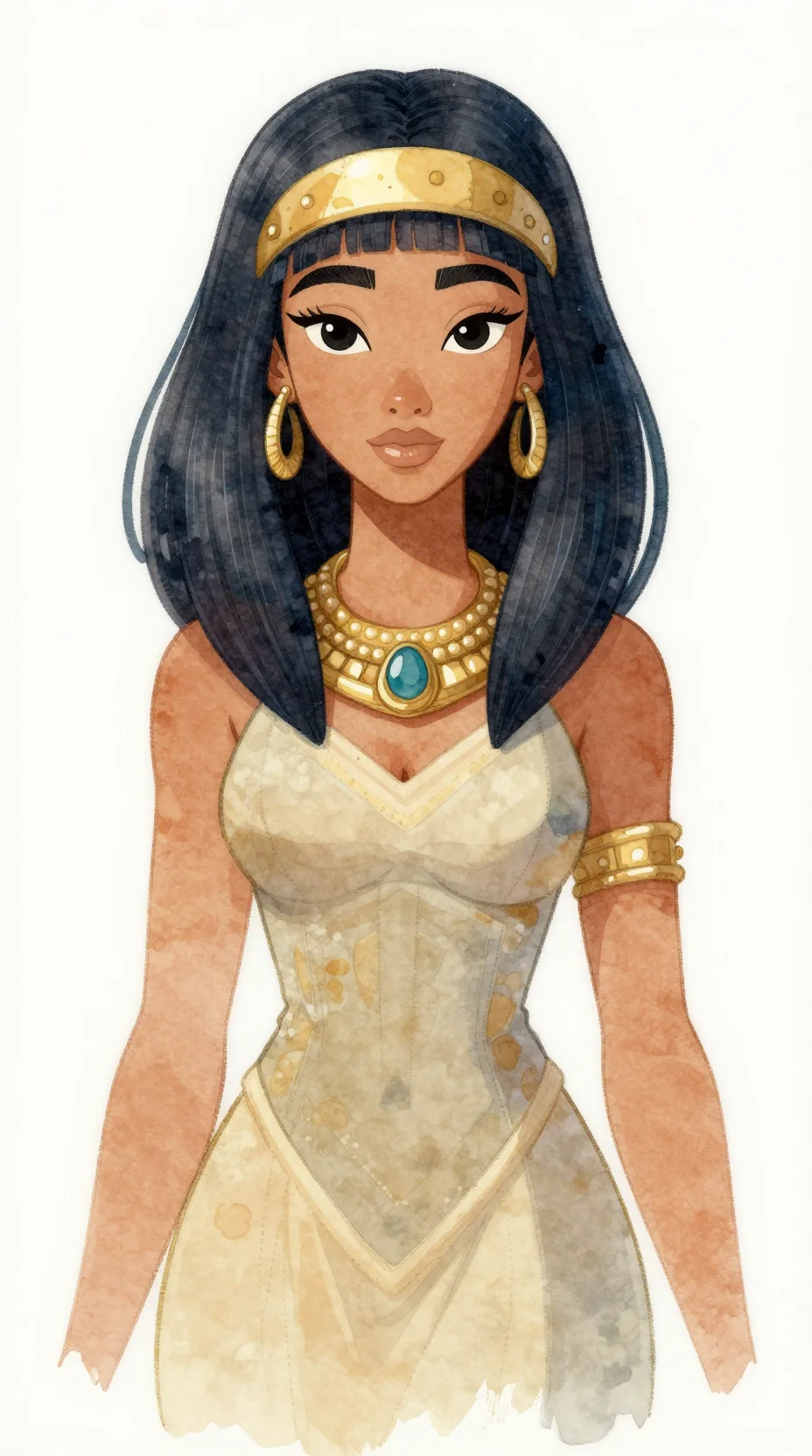
Nefret

Merit
Settings
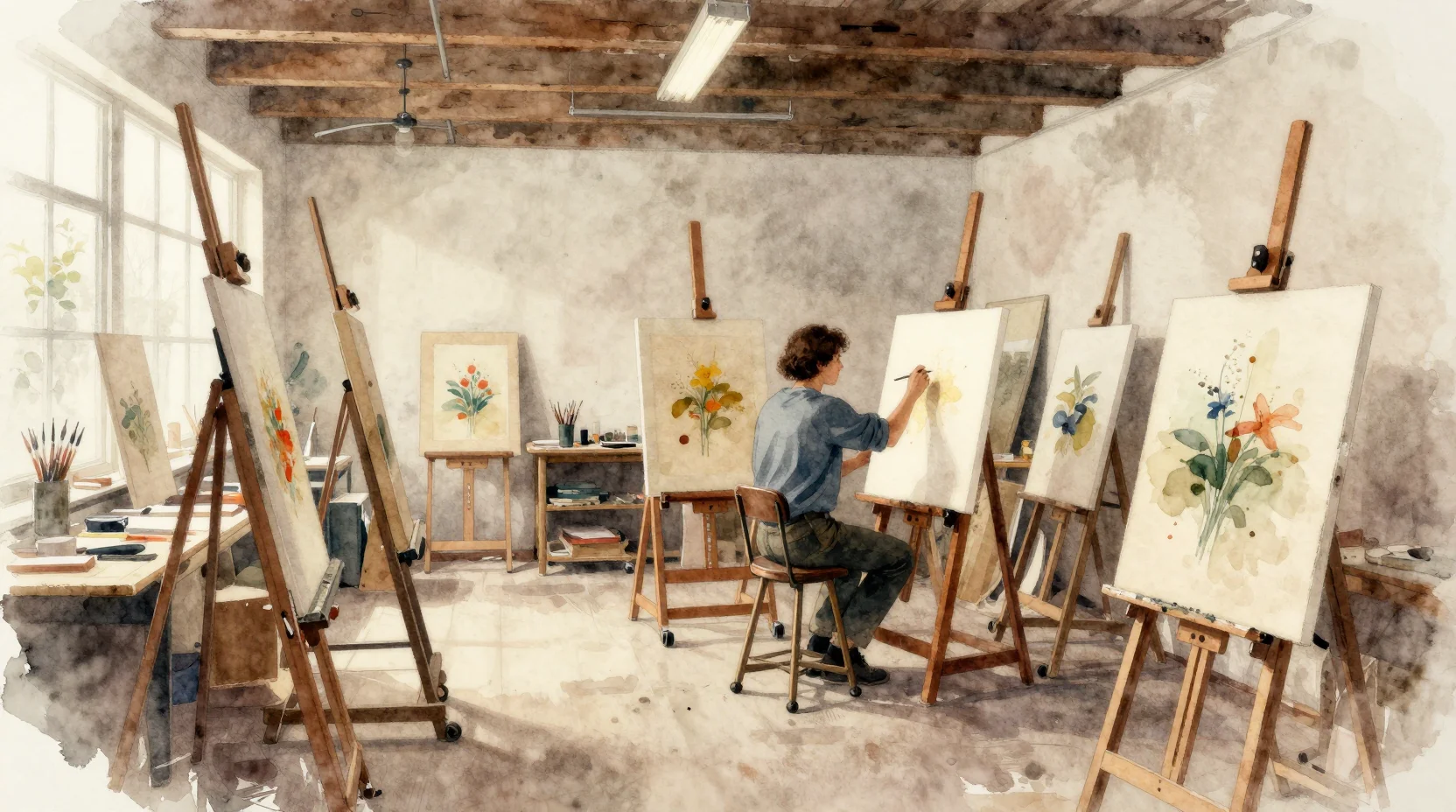
The Painting Workshop
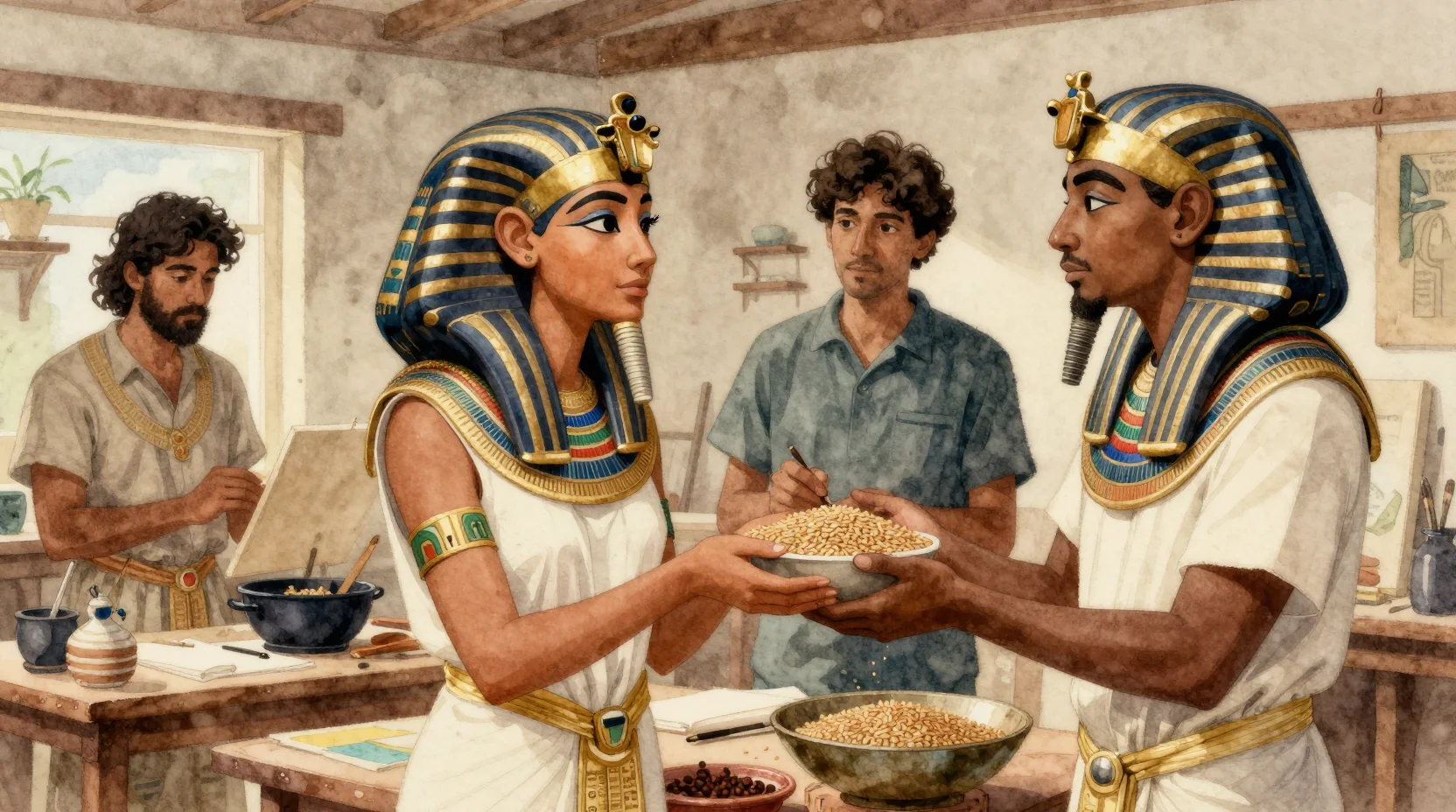
A limestone chamber where pigment jars line clay shelves, their colors—ochre, malachite, lapis—glowing like captured sunlight. Half-finished practice walls lean against corners, brushes soaking in water bowls that catch the lamp's flickering reflection.
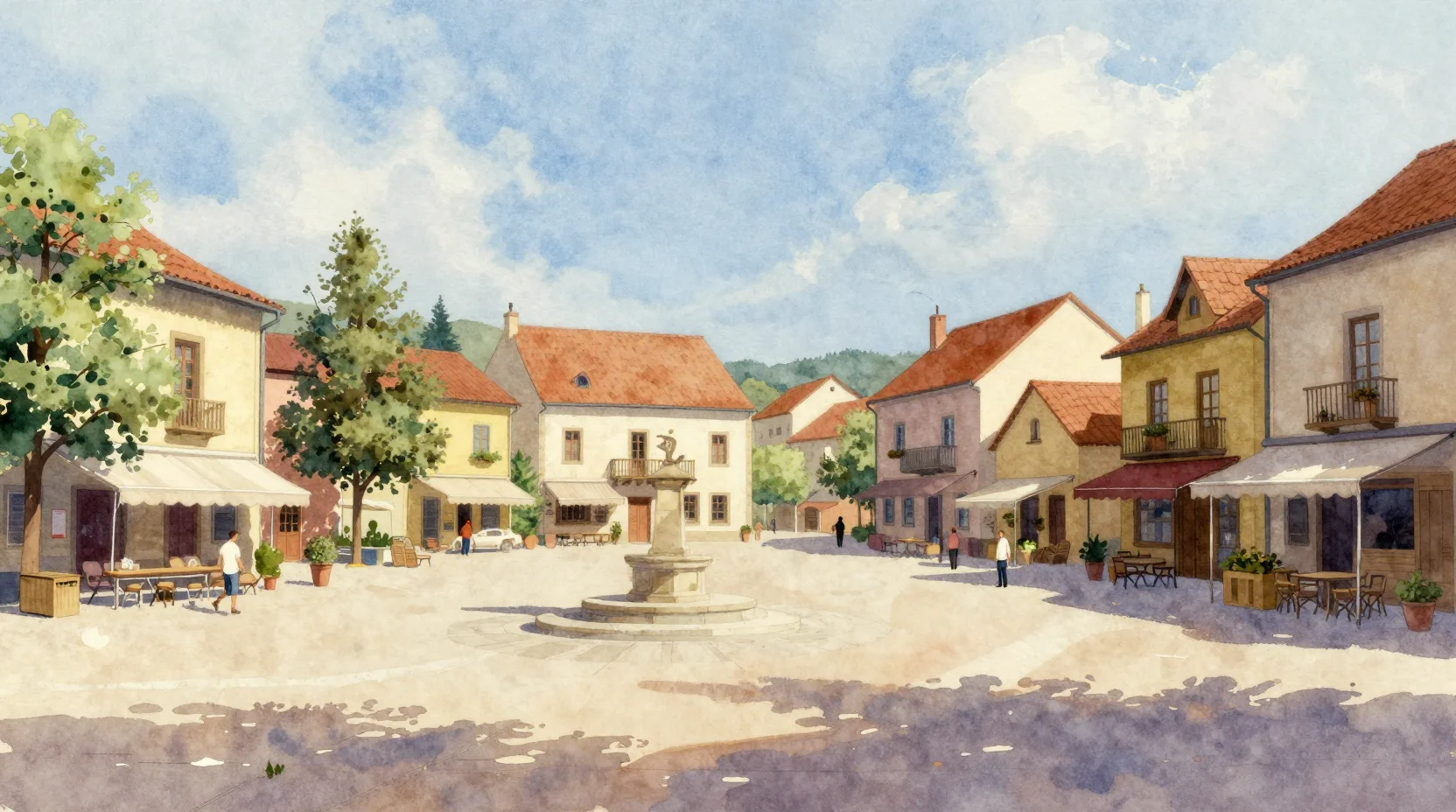
The Village Square
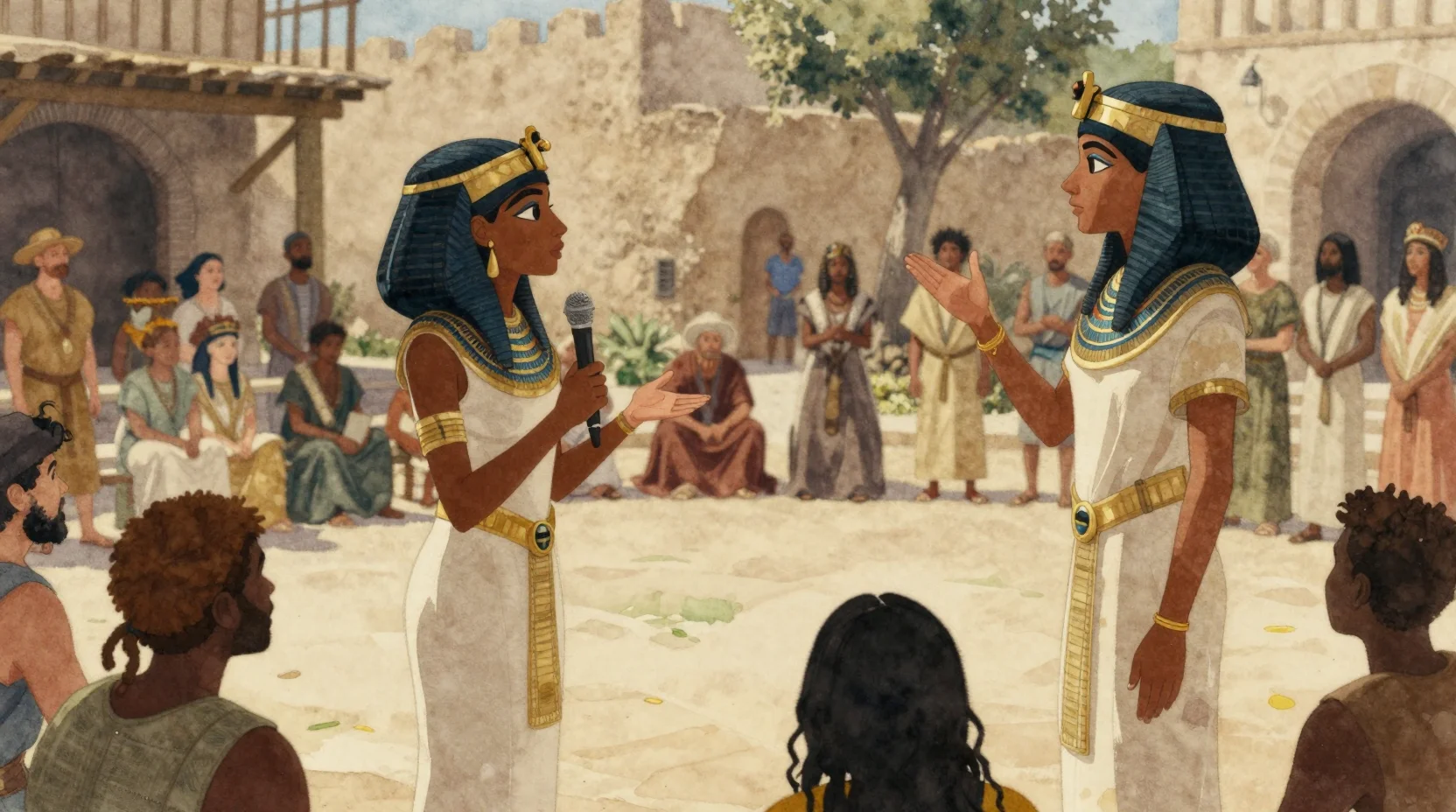
An open courtyard shaded by acacia trees, where the community gathers around a central well. Stone benches worn smooth by generations circle the space, while the distant Valley of the Kings watches from beyond the cliffs.
Story Structure
1
The Complete Tale
The entire narrative arc condensed into one part, following the kishotenketsu structure from peaceful routines through community crisis to collective solidarity and transformed understanding.
1
The Complete Tale - Complete
Nefret and Merit navigate the sacred routines of tomb painting in The Painting Workshop, until the grain crisis forces the community to gather in The Village Square and confront the impossible choice between tradition and collective action.
1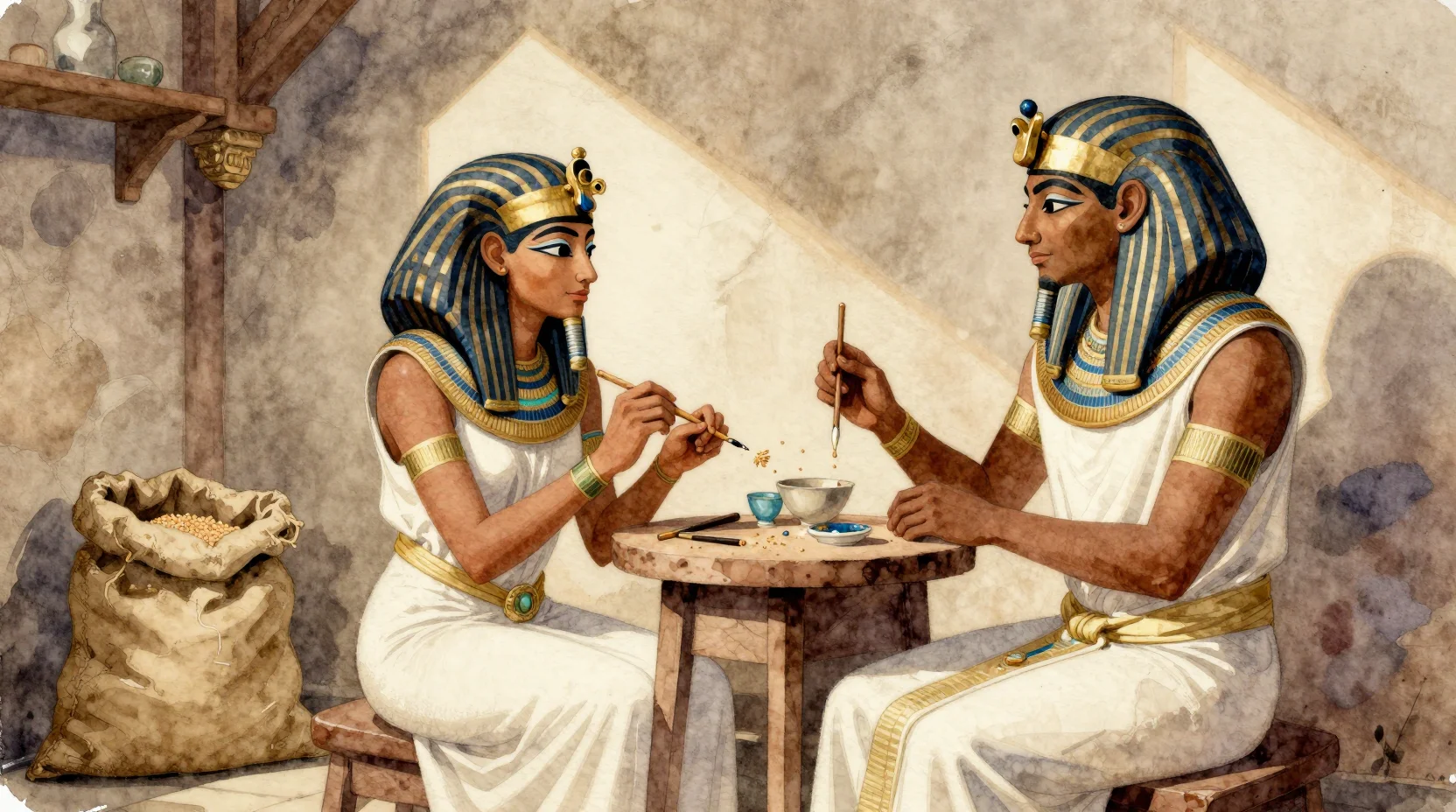
Sacred Rhythms
Nefret and Merit work in the sacred routine of The Painting Workshop, but the empty grain sack in the corner signals the crisis that will shatter their faith in the eternal order.
2
Voices Rising
In The Village Square, the community debates the impossible—whether to strike—and Nefret speaks the unthinkable truth that begins their collective transformation.
- Story ID
- story_qiVe3vvOpNDpJI7r
- Created
- December 28, 2025
- Art Style
- watercolor (traditional)
- Status
- published
You may also like