1 chapter • 3 scenes
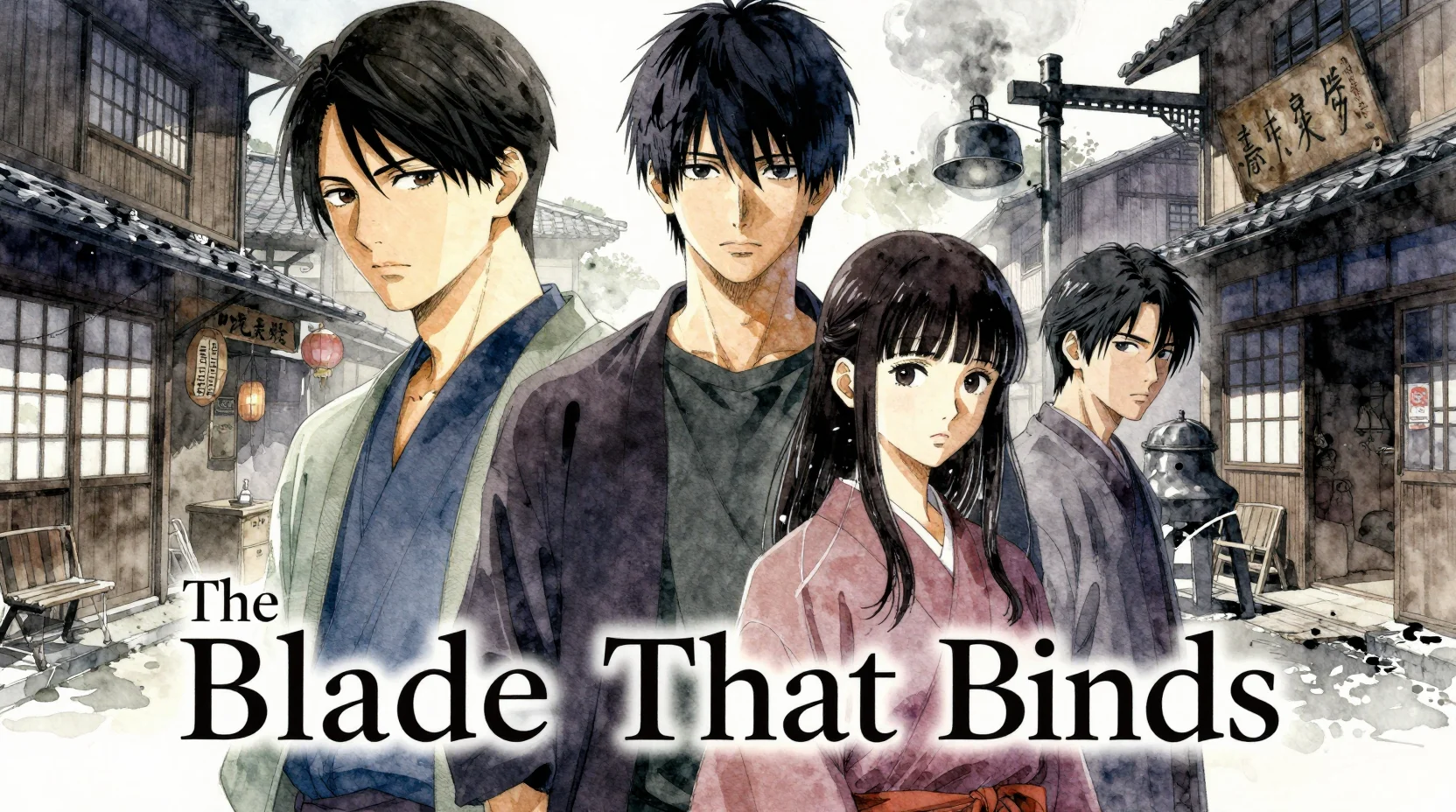
When the master craftsman who saved him from dishonor dies suddenly, young Kenji must choose between preserving his samurai family's honor through traditional blade-making or embracing the new Meiji era's foreign methods to save the workshop from bankruptcy.


Opulent but insulated from consequence
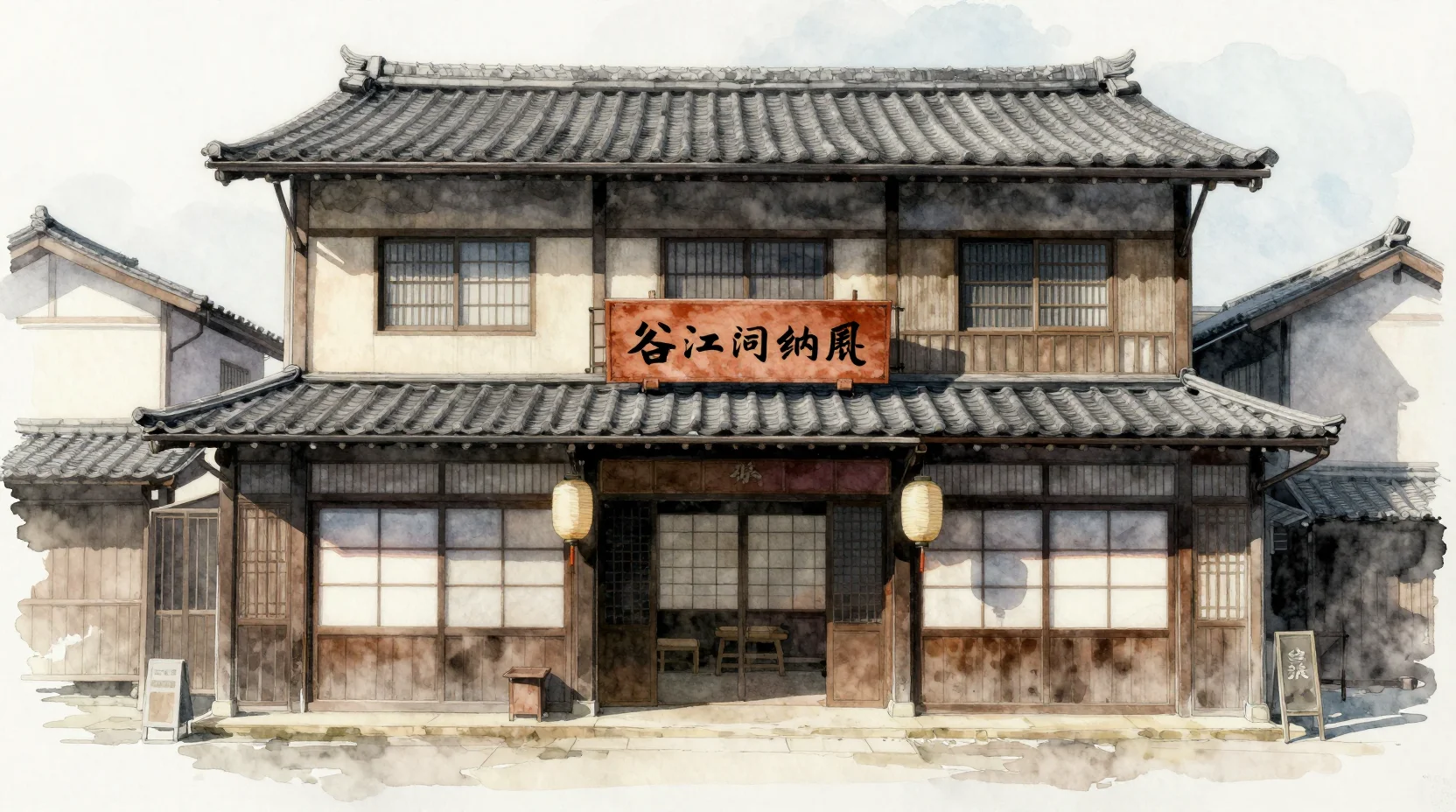
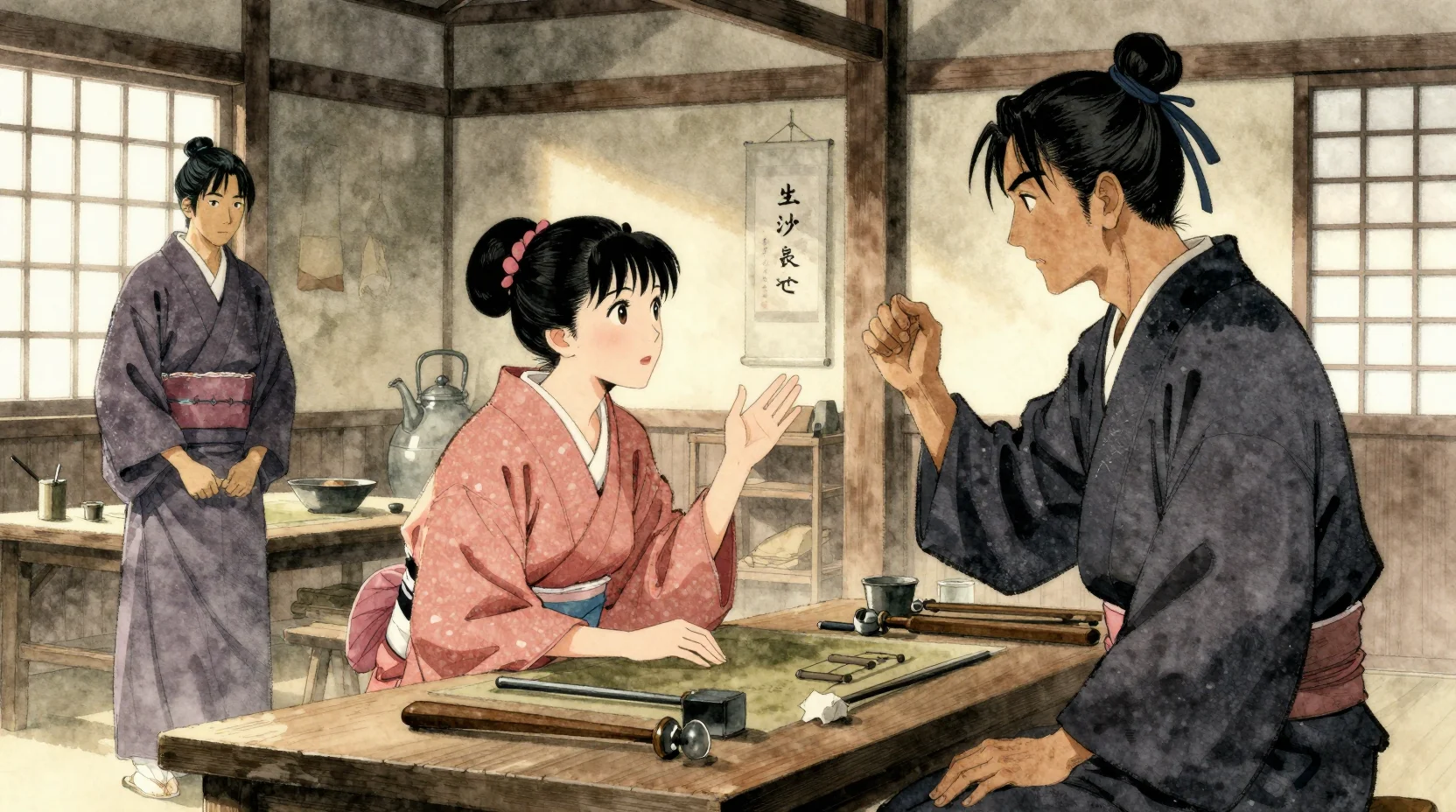
Emi's family home in Nihonbashi, where paper screens painted with cranes hide the reality that wealth earned from foreign trade has purchased comfort but never respect in Japan's rigid social hierarchy.

Weighted with memory and quiet desperation
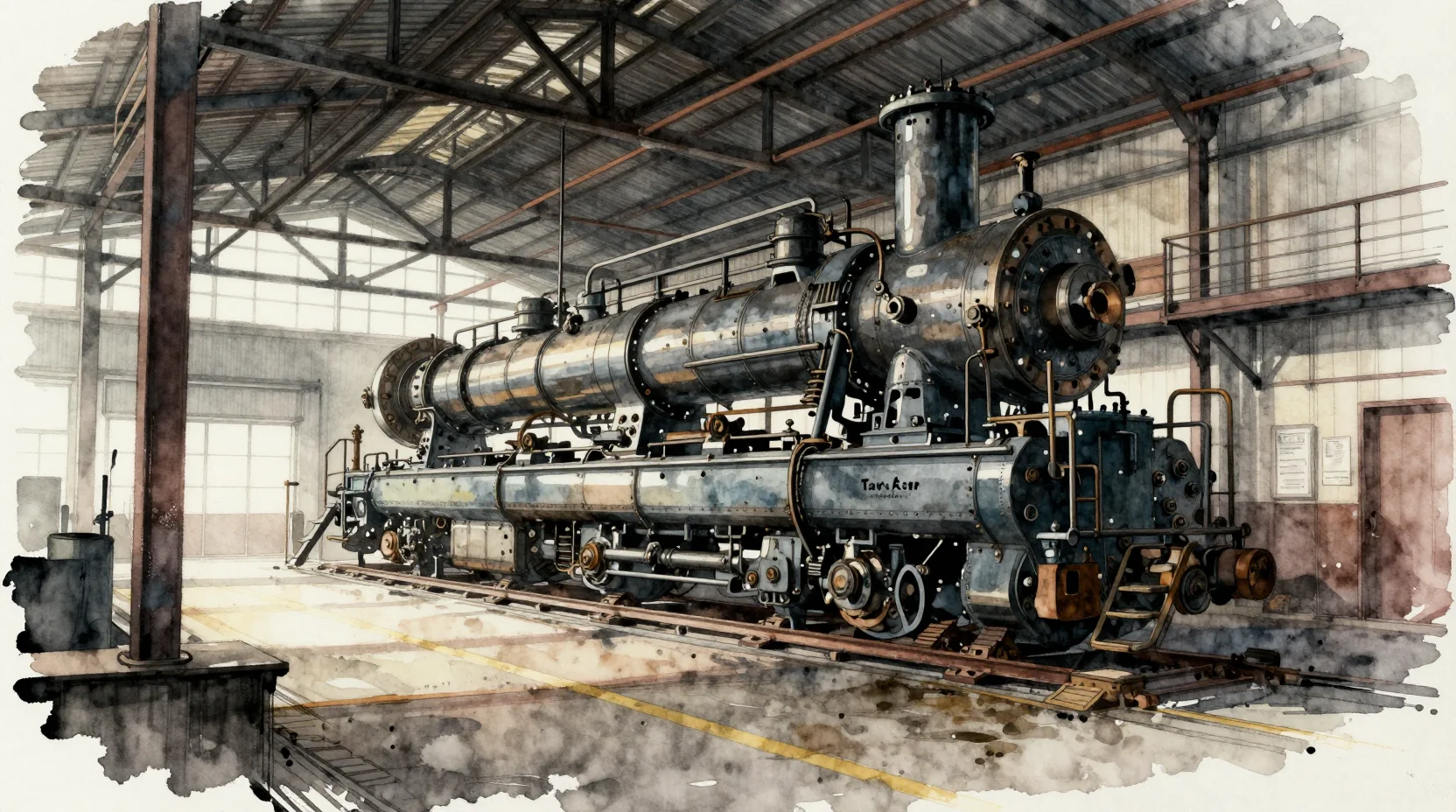
A dim workshop in Tokyo's Kanda district, its wooden beams blackened by decades of charcoal smoke, where the rhythm of hammer on steel once sang purpose and now echoes like a dying heartbeat.
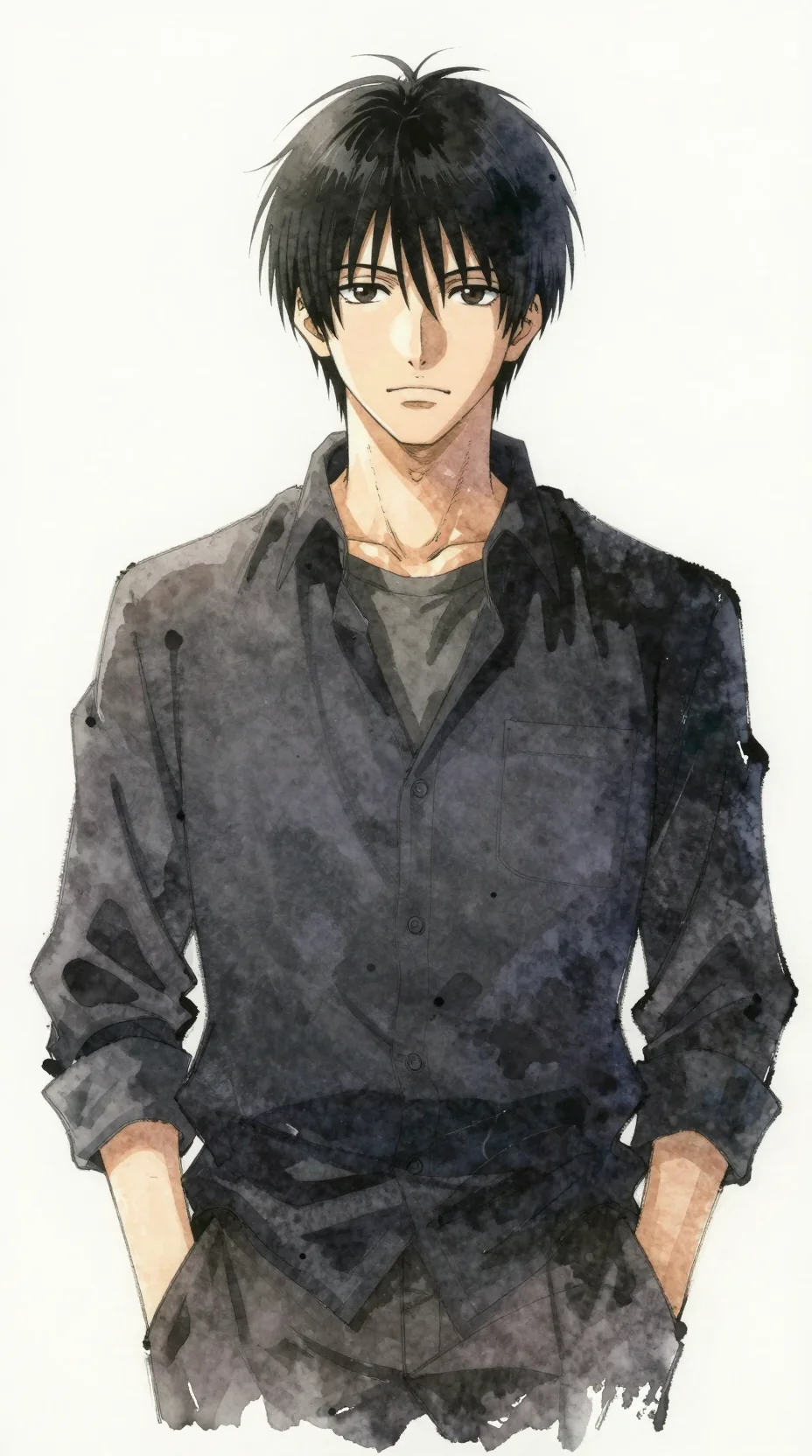
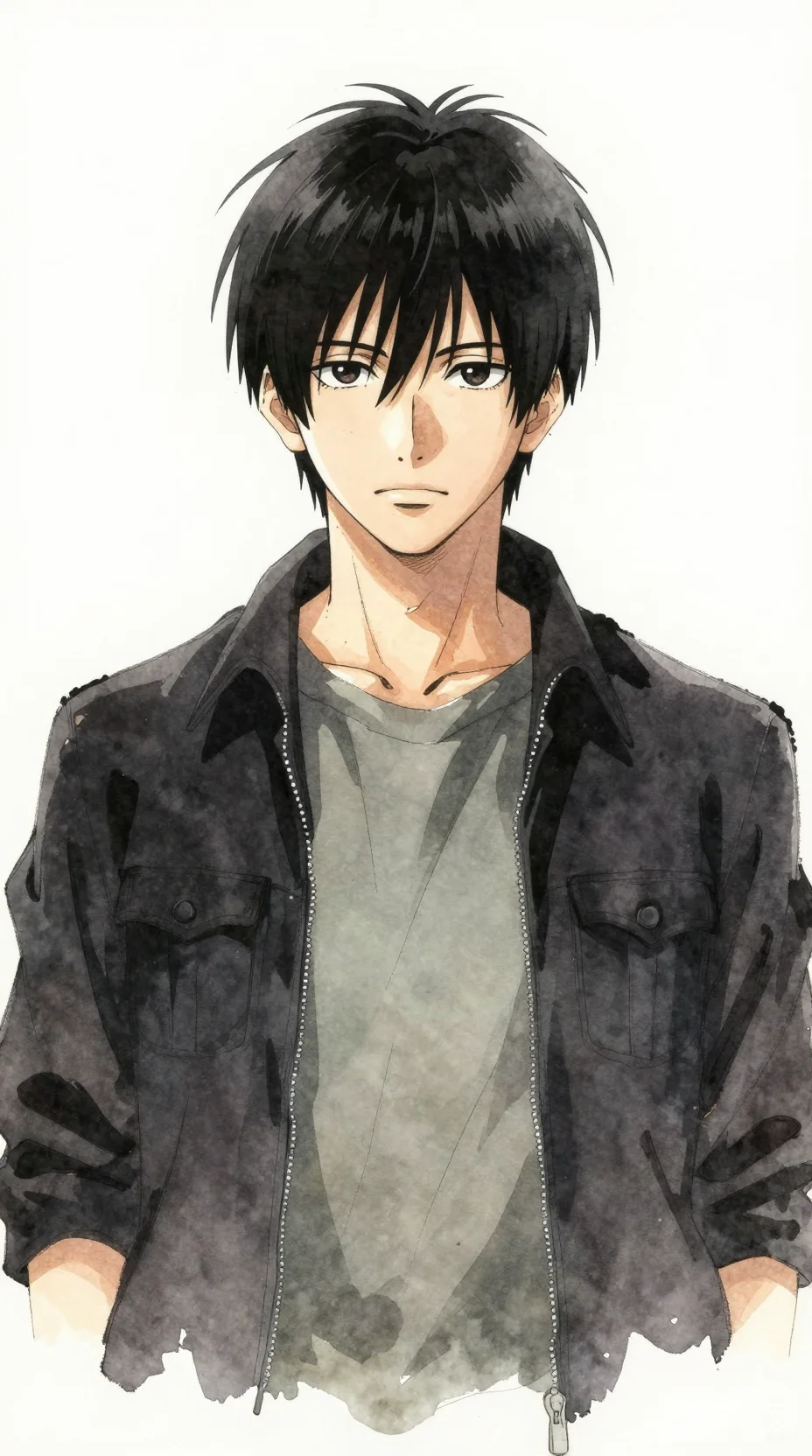
Kenji inherits the failing Tanaka Forge after his master's death and must decide between preserving traditional blade-making or adopting Western methods to survive bankruptcy, with Emi offering practical solutions and Hiroshi pushing for rapid modernization.
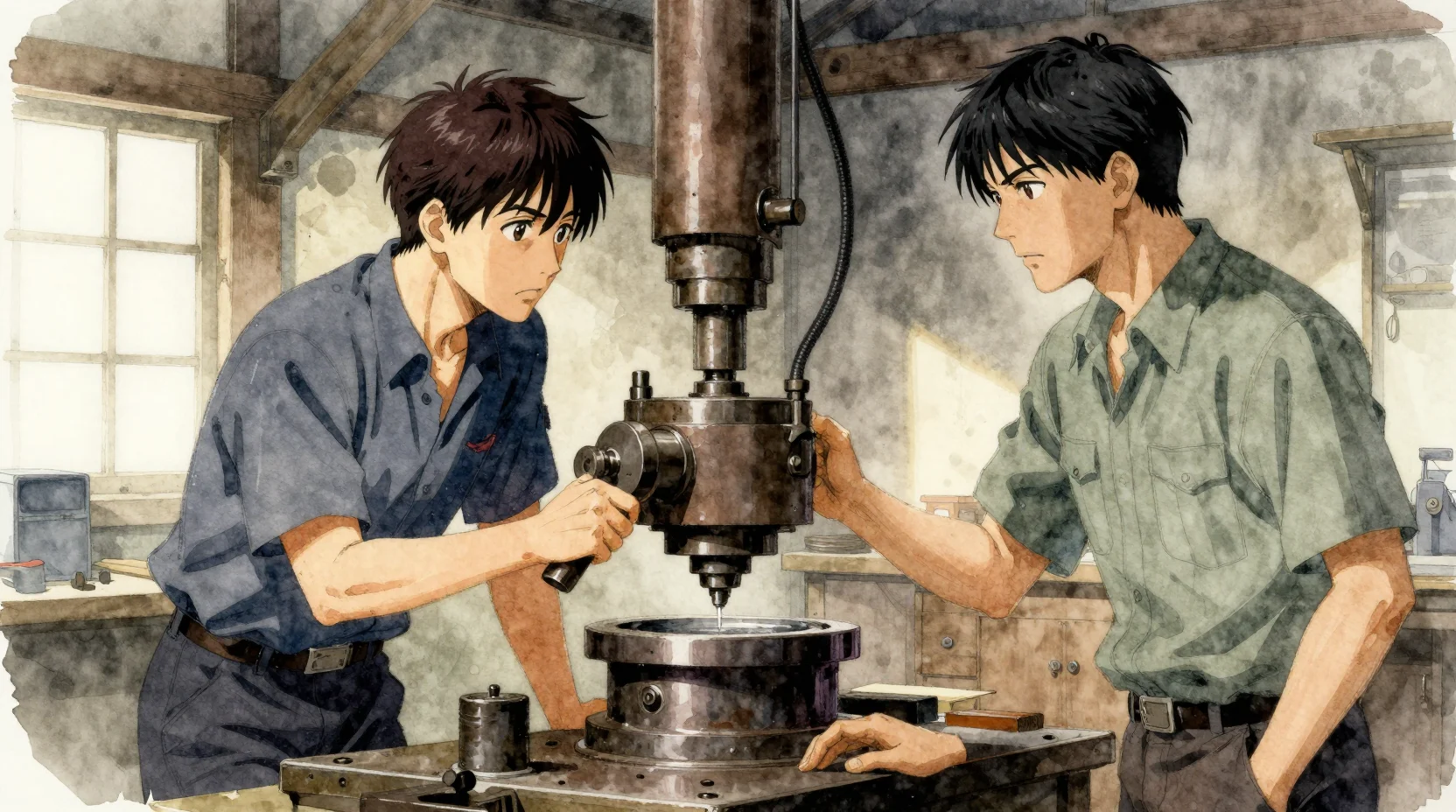
Kenji faces debt collectors at Tanaka Forge, receives Emi's compromise proposal, and discovers Hiroshi's secret order of a German power hammer, forcing him to choose between traditional honor and modern survival.
Kenji completes his first solo blade at Tanaka Forge when debt collectors arrive demanding immediate payment, forcing him to confront the workshop's impending failure.

Emi Sato proposes a compromise at her family's trading house: the workshop could produce practical tools for the Meiji government using traditional techniques, offering a middle path between Kenji's rigidity and Hiroshi's desperation.

Kenji discovers Hiroshi's secret order of a German power hammer, leading to a confrontation that forces him to confront whether loyalty to his master means preserving methods or ensuring the craft's survival.