1 chapter • 3 scenes
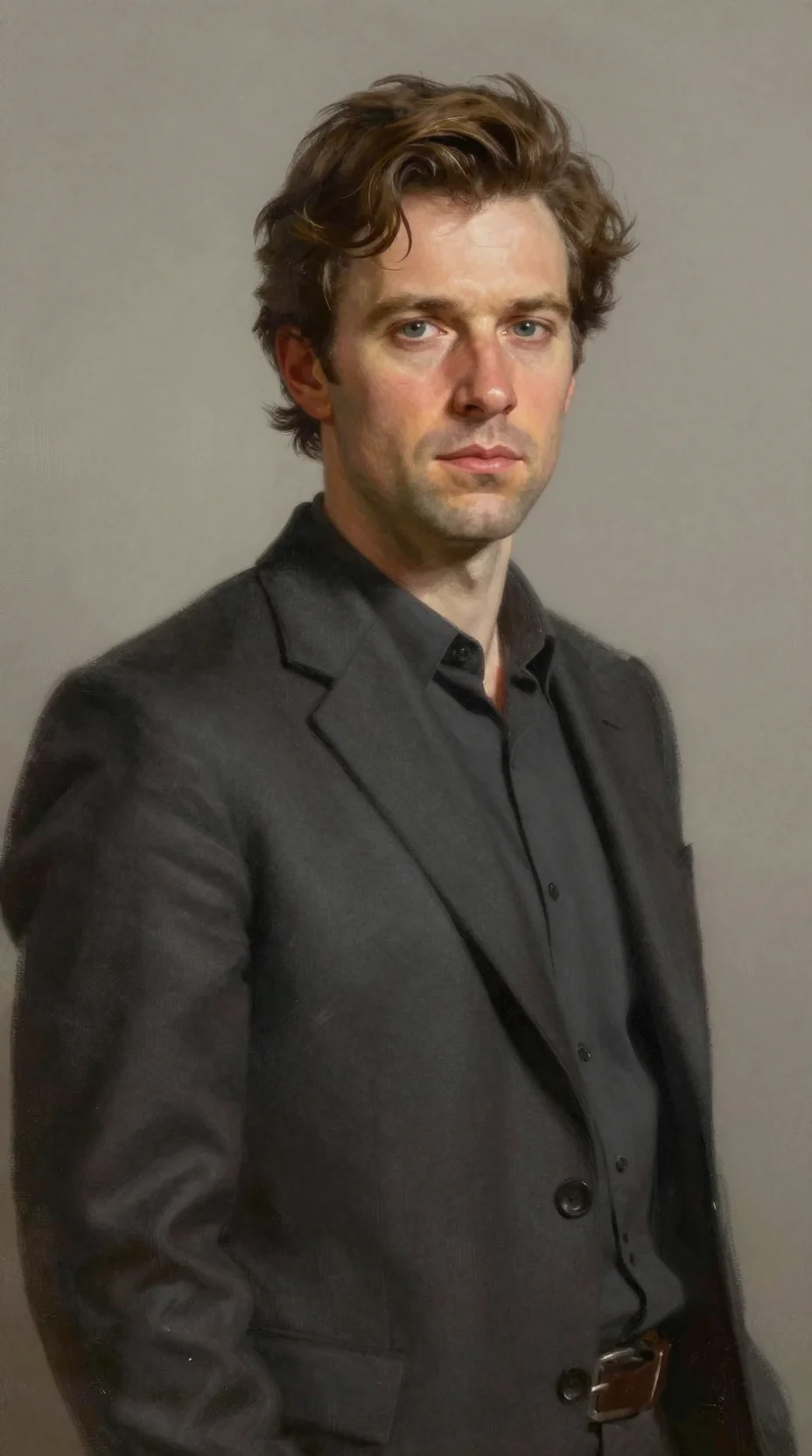
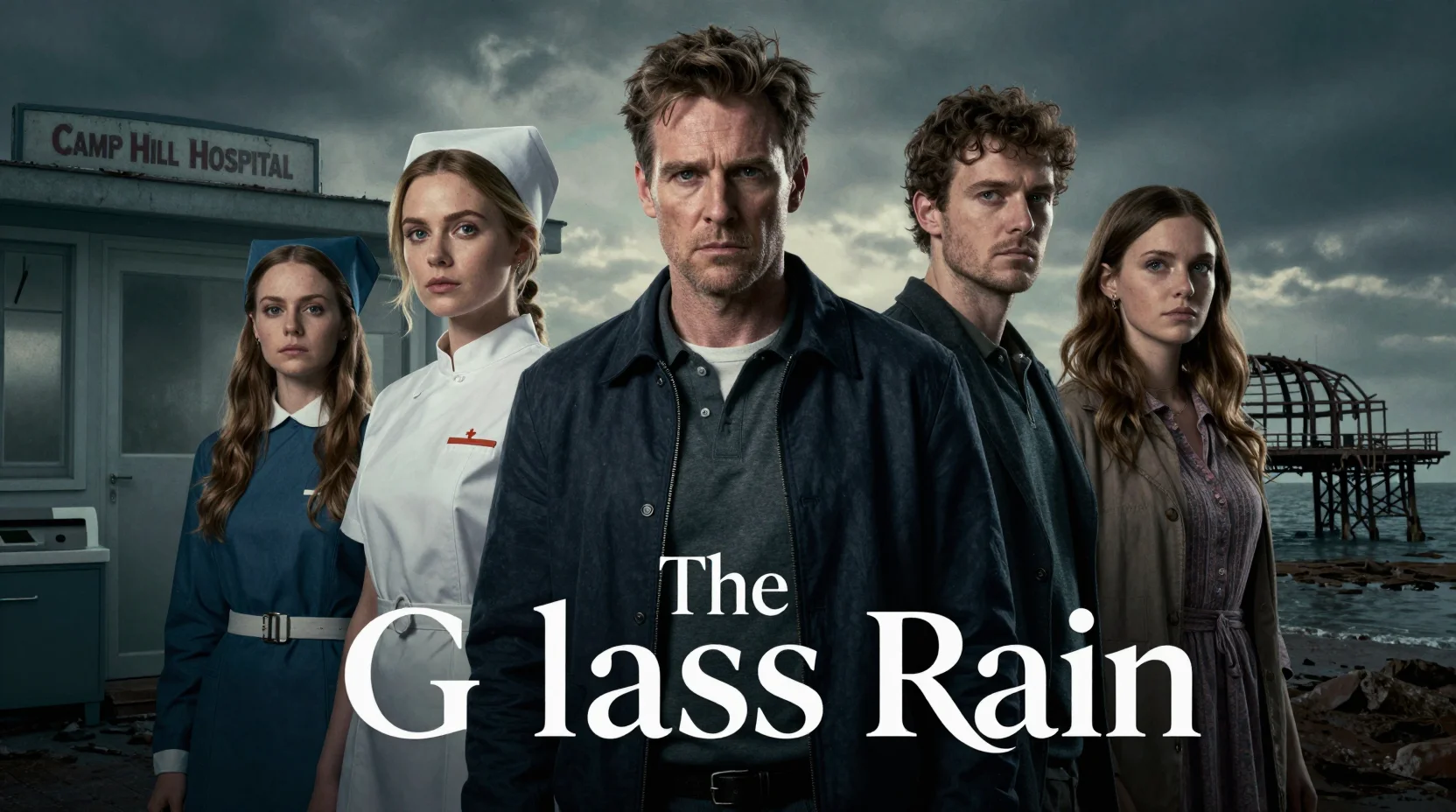
On December 6, 1917, medical student Clara Whitmore witnesses the Halifax Explosion—the largest human-made blast before the atomic age—and begins pioneering emergency triage as thousands of glass-blinded victims flood makeshift hospitals. Racing against her own fading vision from blast trauma, she must save as many lives as she can while revolutionizing disaster medicine in a single catastrophic day.


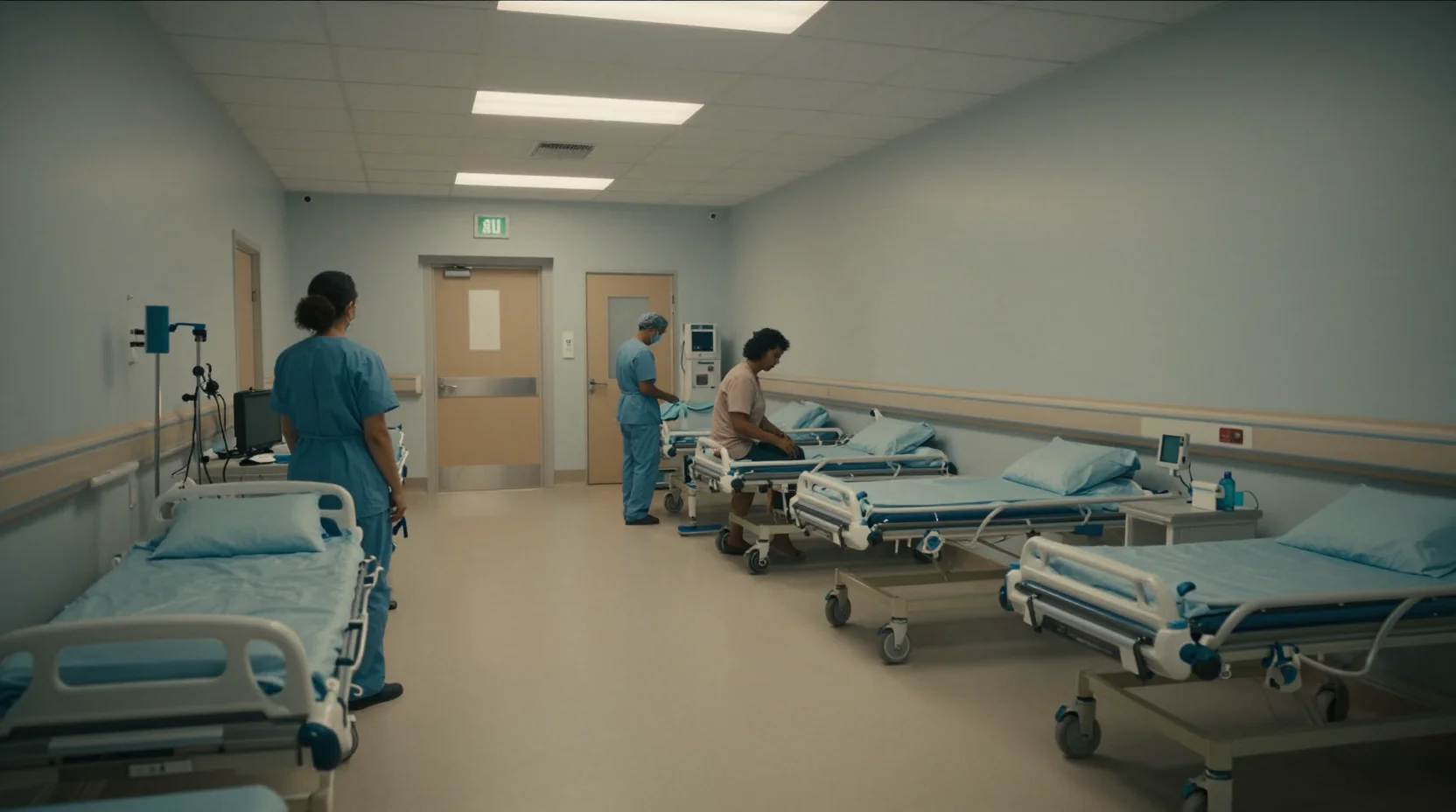
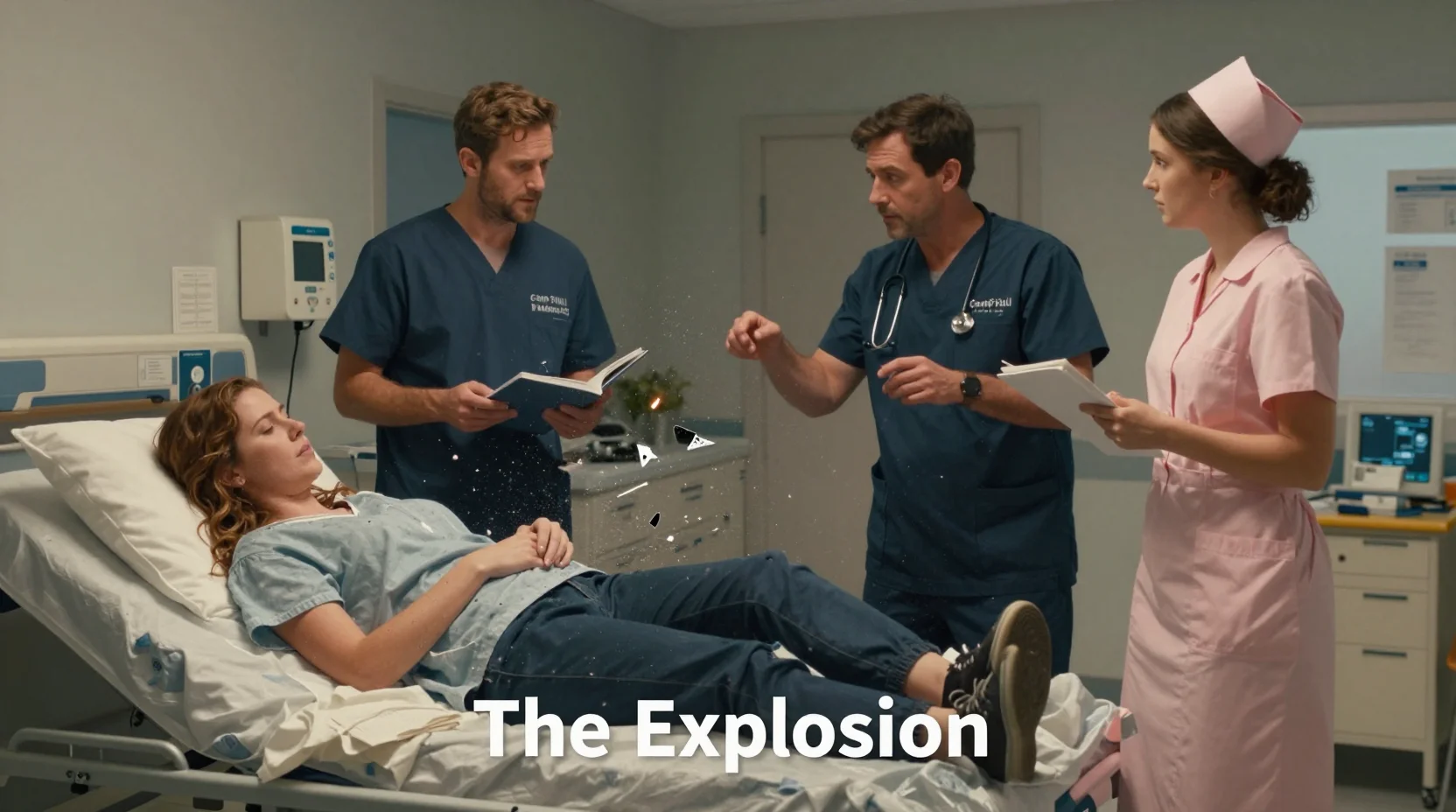
A requisitioned military hospital ward transformed overnight into mass casualty center, where rows of improvised cots blur into a sea of bloodied bandages and the acrid smell of carbolic acid battles the metallic tang of blood. Windows shattered by the blast let December wind howl through, scattering medical charts and carrying moans from the hallway where hundreds more wait.

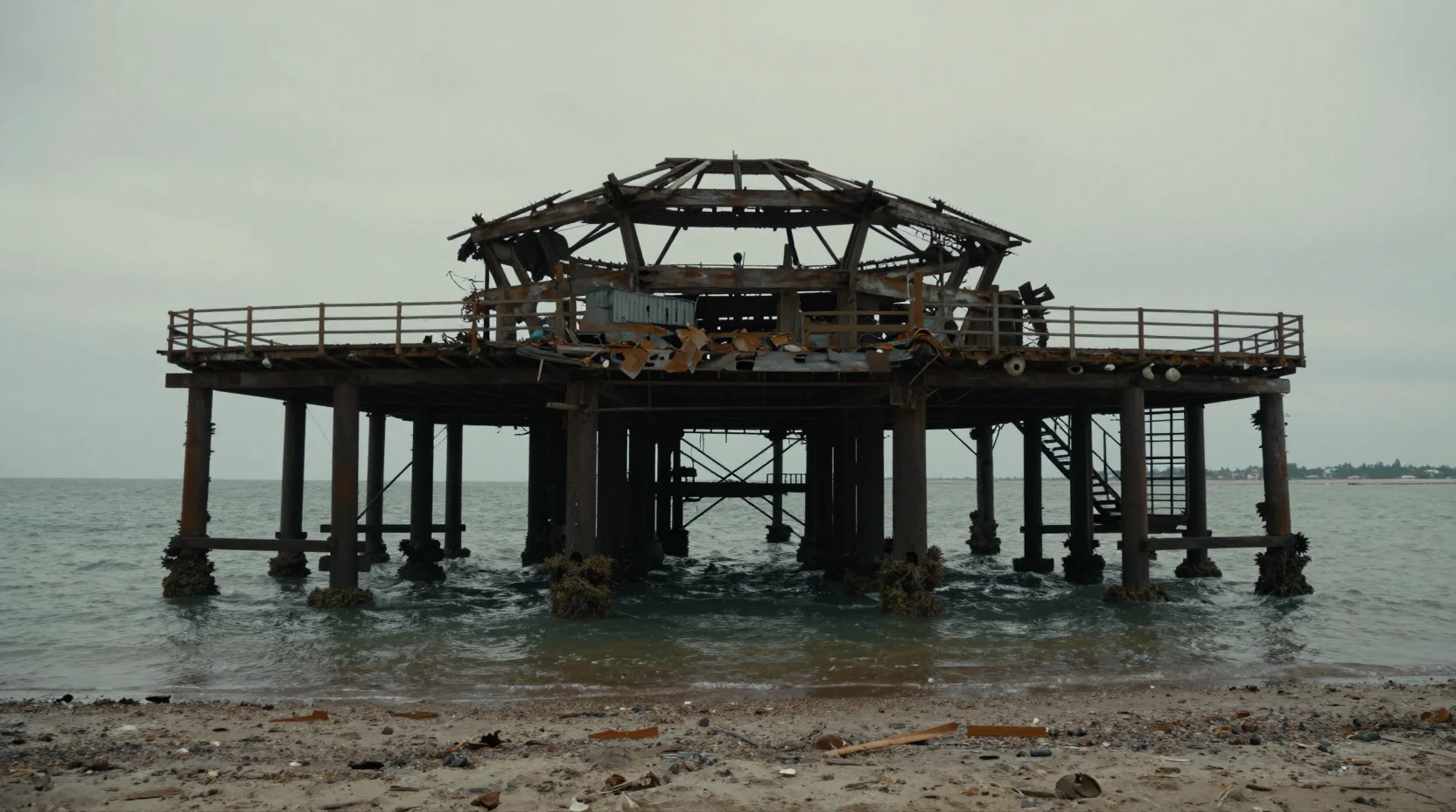
The obliterated north-end waterfront where the Mont-Blanc detonated, now a lunar landscape of splintered timber, twisted steel, and frozen harbor water flooding through shattered streets. Glass shards coat every surface like lethal snow, glinting in weak winter sunlight, while the skeletal remains of warehouses point accusing fingers at the sky.
Clara Whitmore's complete transformation from untested medical student to pioneer of disaster medicine unfolds across a single catastrophic day, as the Halifax Explosion forces her to choose between saving her own vision and revolutionizing emergency triage for hundreds of blast victims.
On December 6, 1917, Clara Whitmore's transformation from untested medical student to pioneer of disaster medicine unfolds across a single catastrophic day following the Halifax Explosion.
The Mont-Blanc explosion shatters Clara's morning study session and propels her into the overwhelming chaos of Camp Hill Hospital's triage ward.

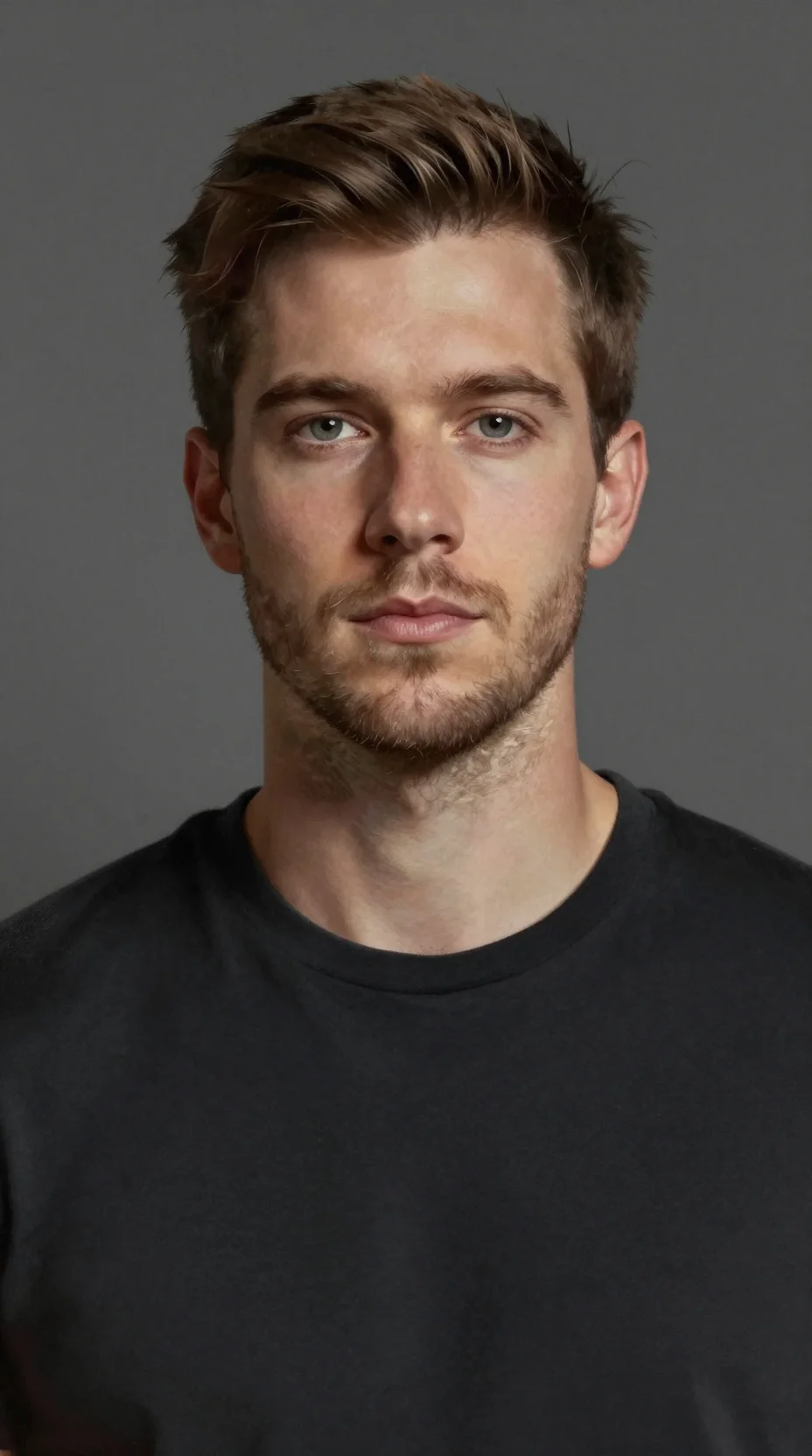
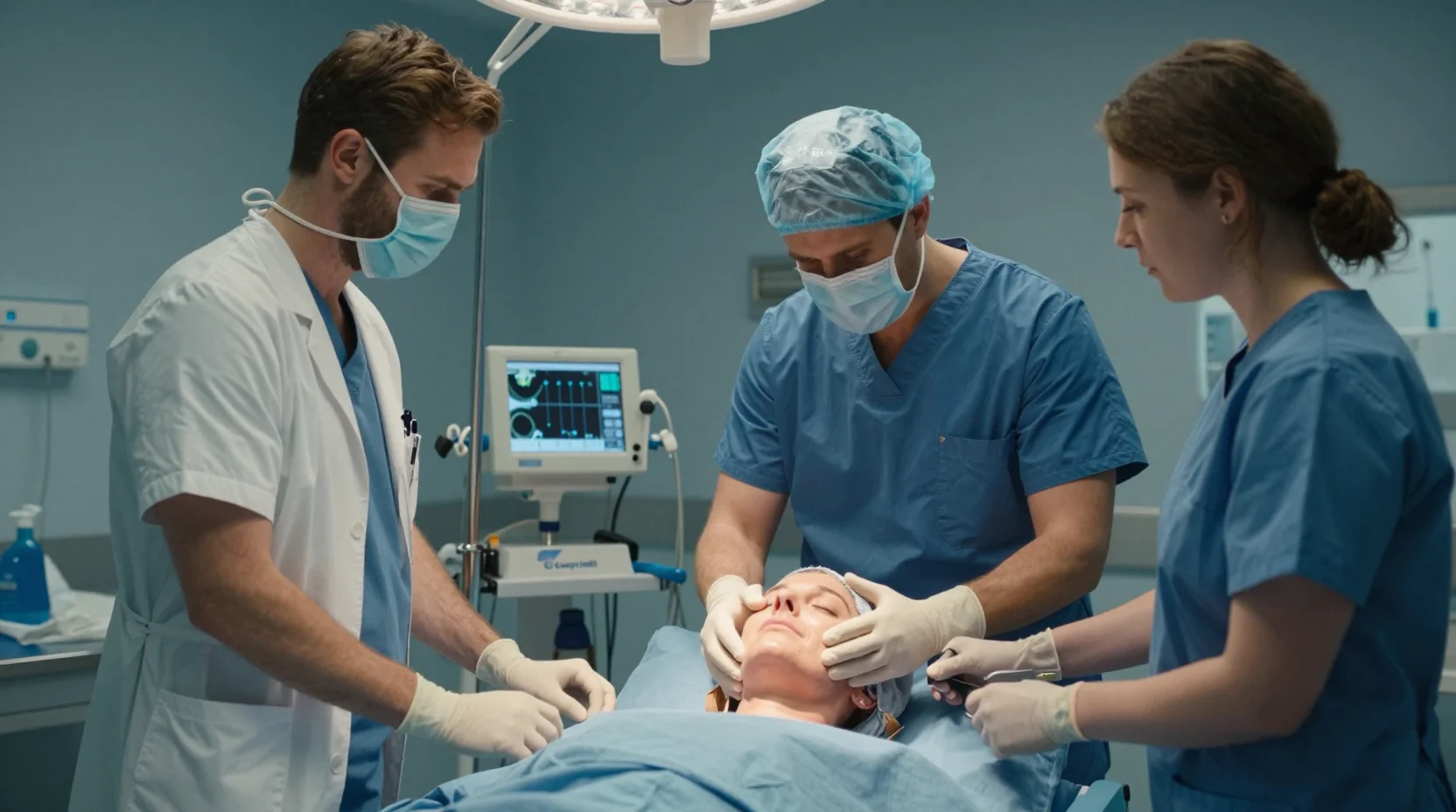
Clara performs emergency eye surgery on Thomas Brennan while her own vision deteriorates, facing the impossible choice between treating herself or continuing to save others.

Clara performs her final surgery by touch alone, permanently losing her vision but gaining her legacy as the founder of modern disaster medicine.