1 chapter • 3 scenes
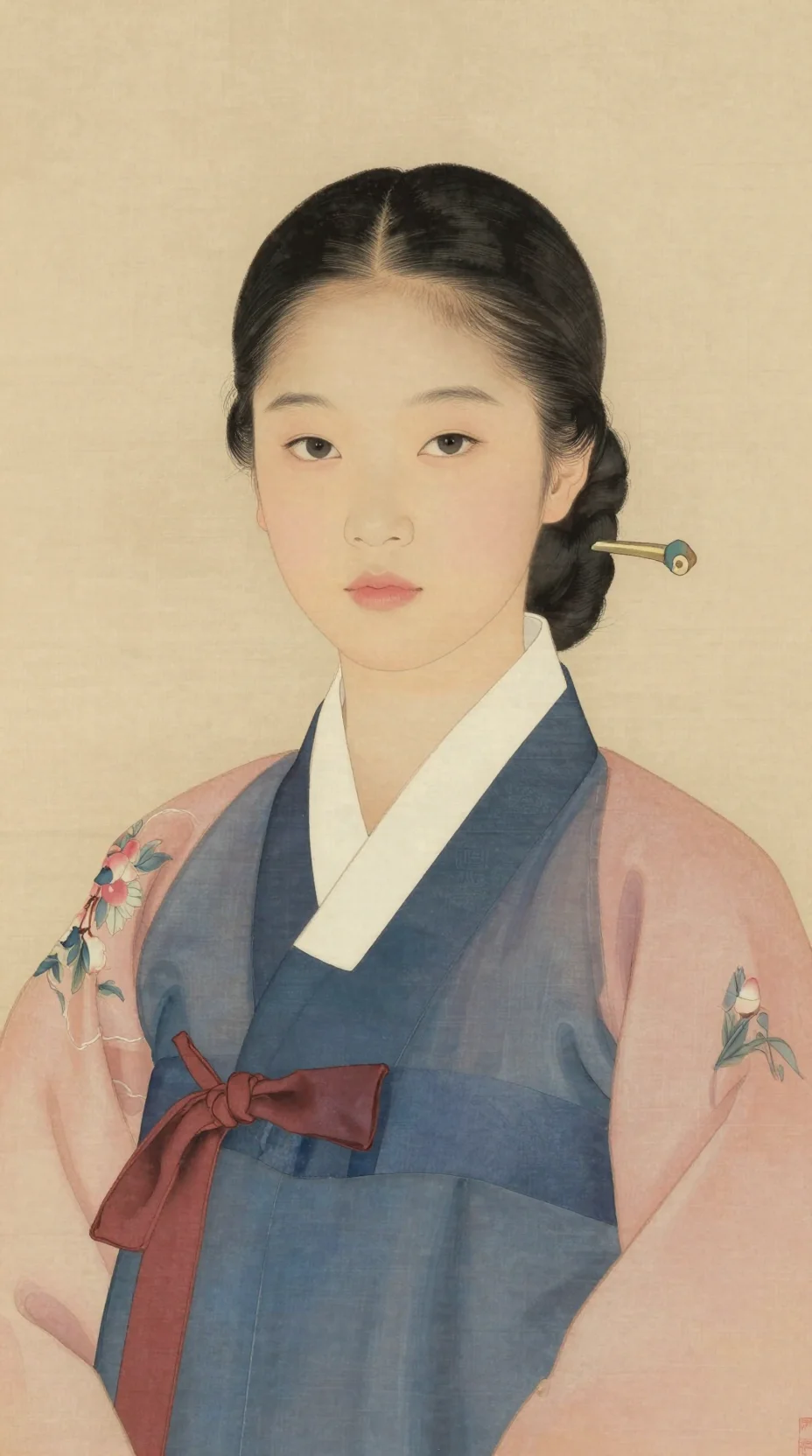
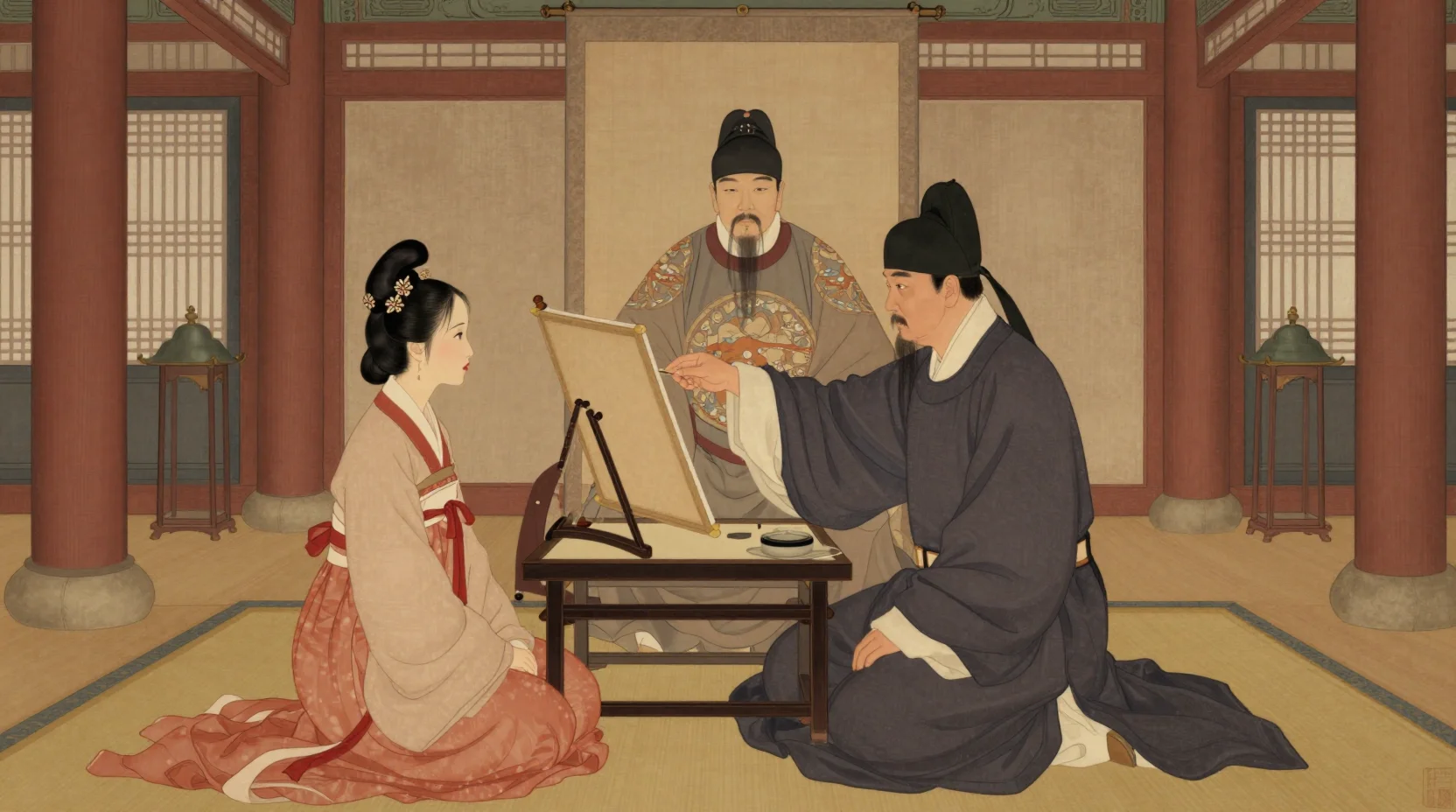
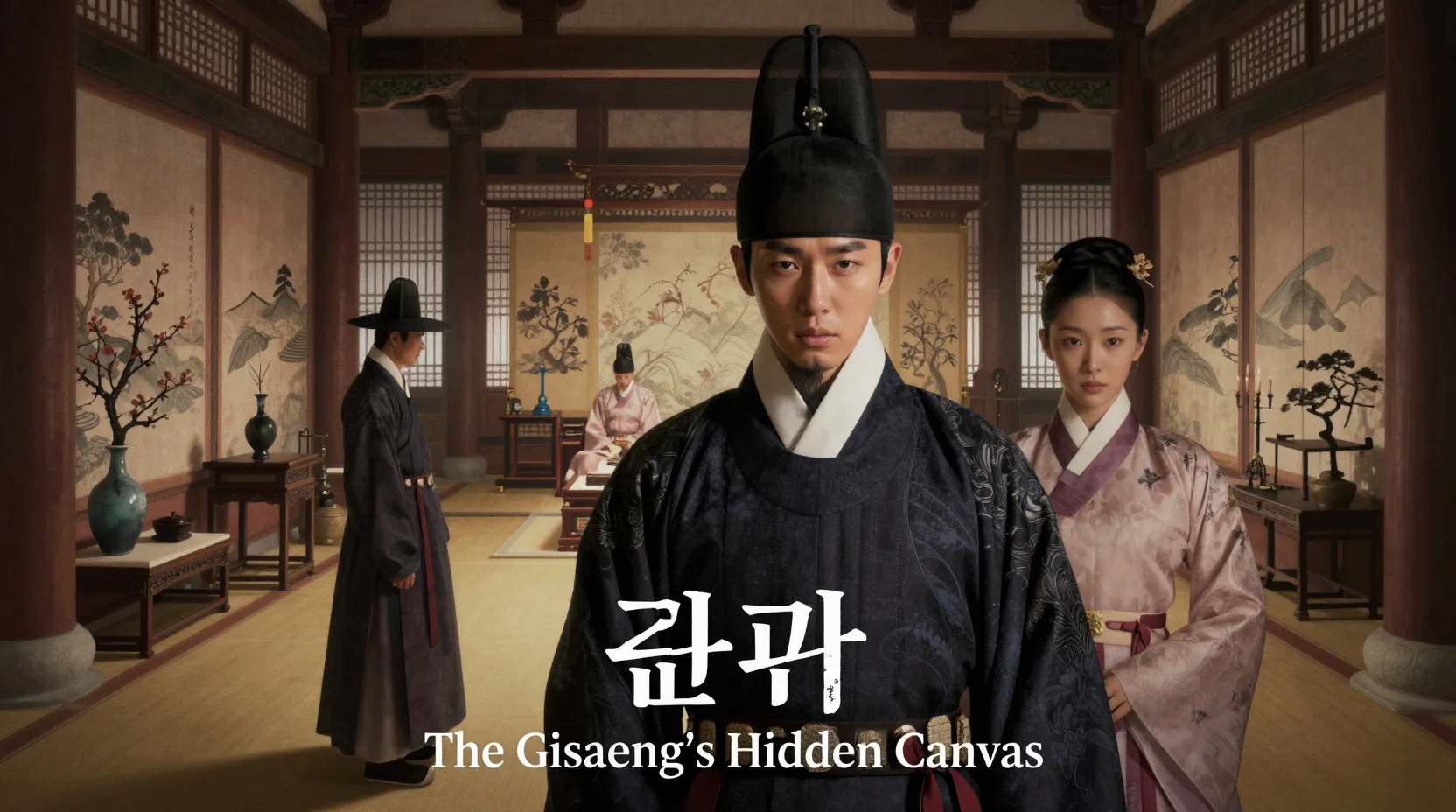
In 18th century Joseon Korea, a talented gisaeng painter secretly creates masterpieces attributed to male court artists. When the king commissions a portrait that could expose her deception, she must navigate the dangerous intersection of art, honor, and survival in a society that reveres her work but would destroy her for creating it.


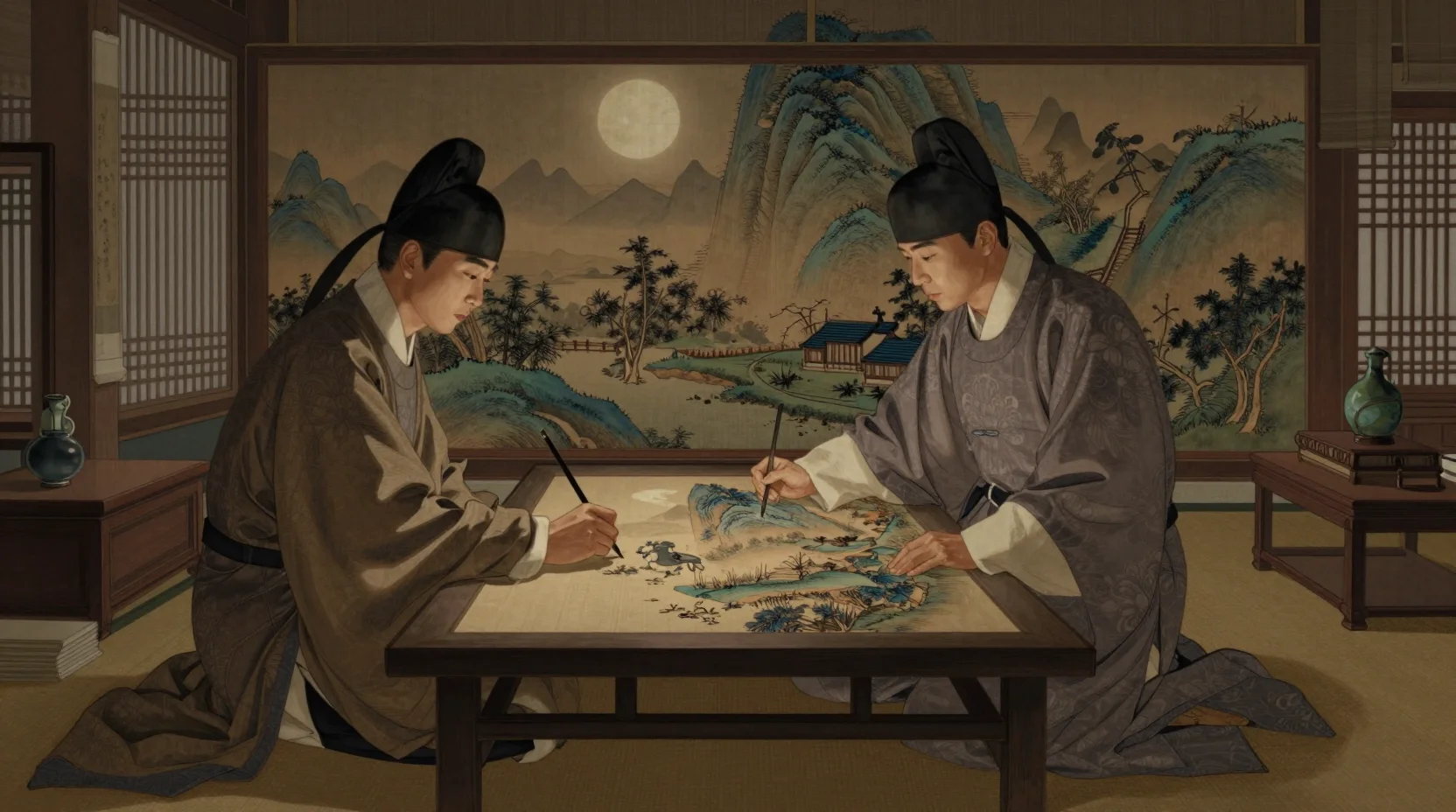
A small windowless room behind a storage area in the gisaeng house, where Min-ji paints by candlelight. Canvases are stacked against walls, brushes hang in careful arrangement, and the air smells permanently of linseed oil and secrets.

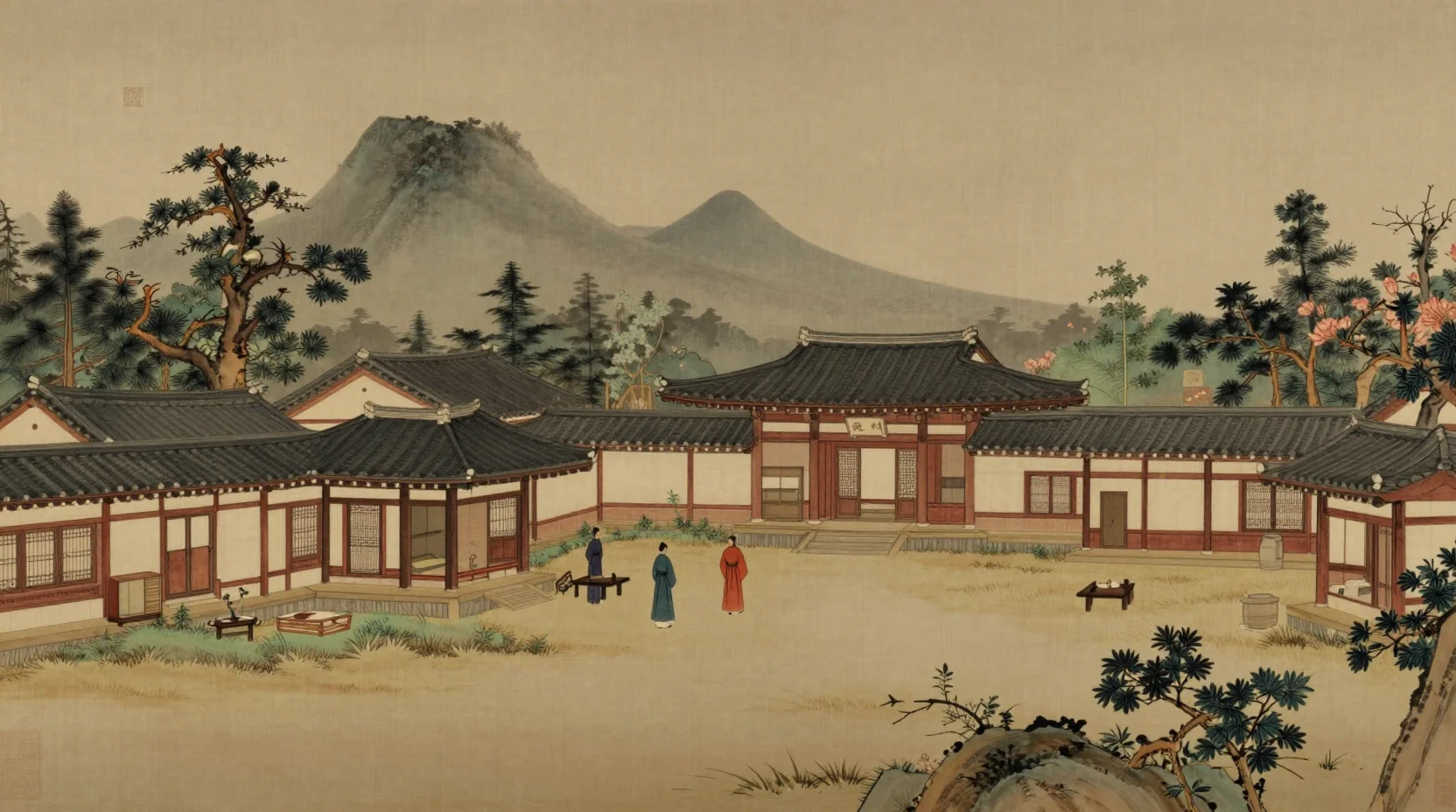
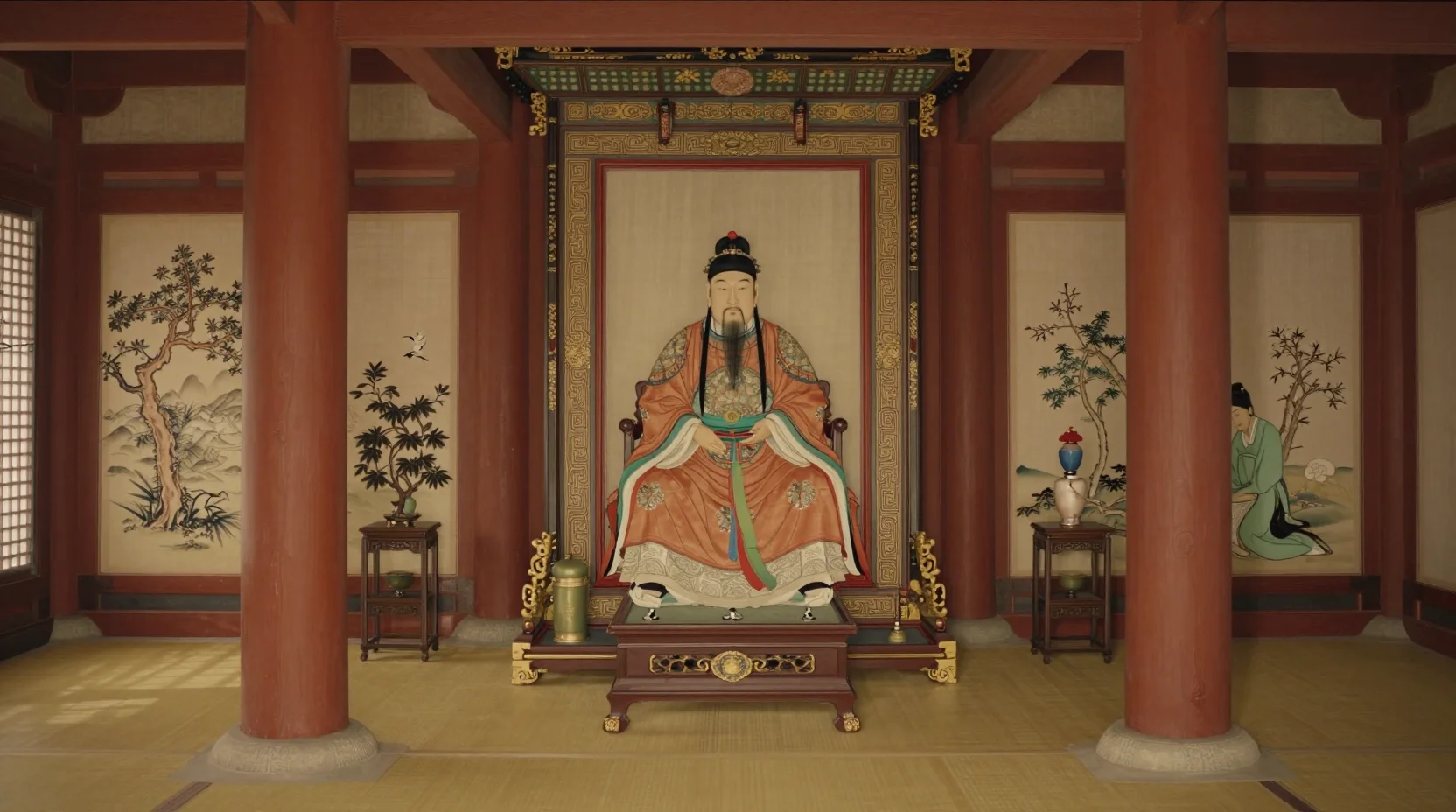
The king's private reception room where the portrait will be unveiled and the "master artist" is expected to appear. Every surface gleams with royal authority, every shadow seems to hold watching eyes.

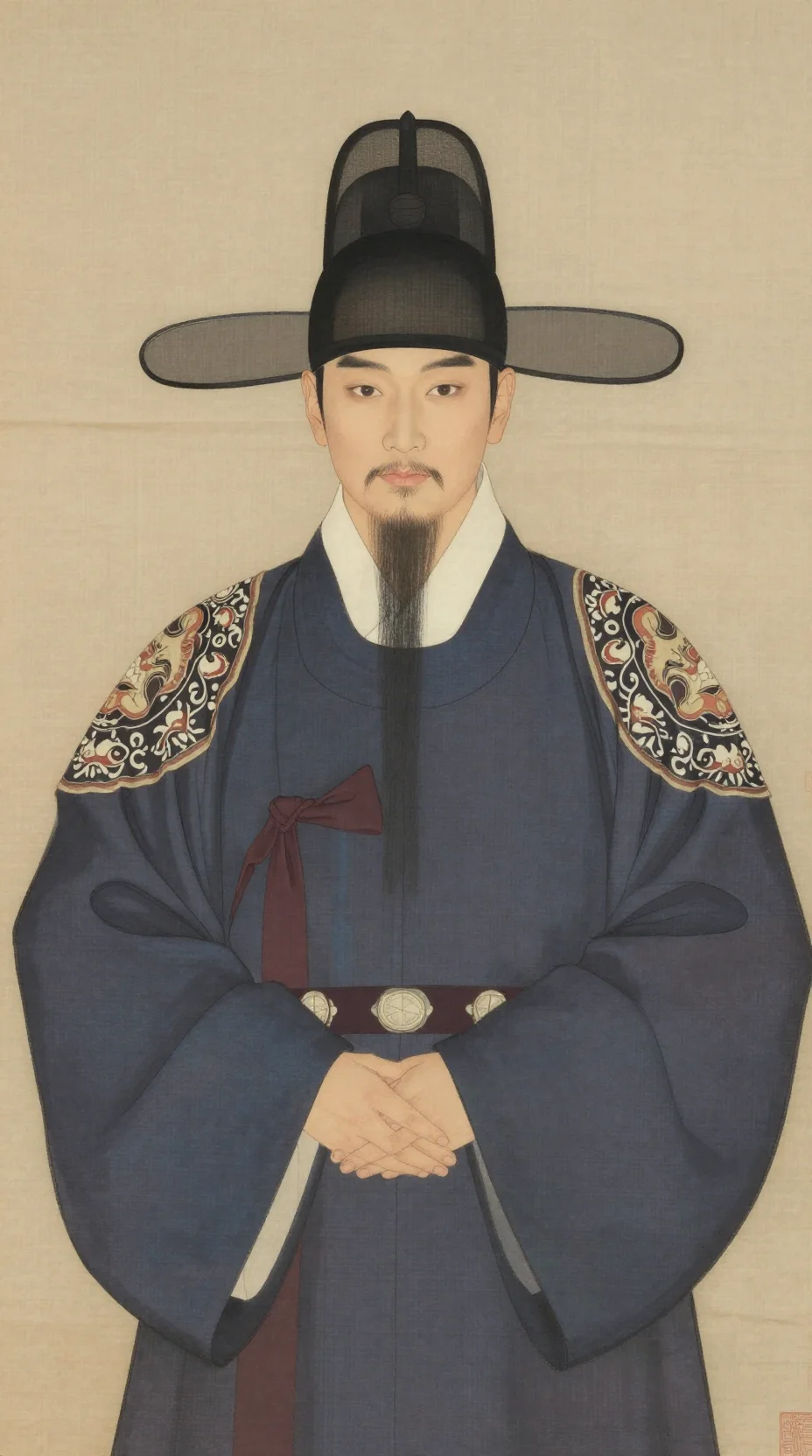
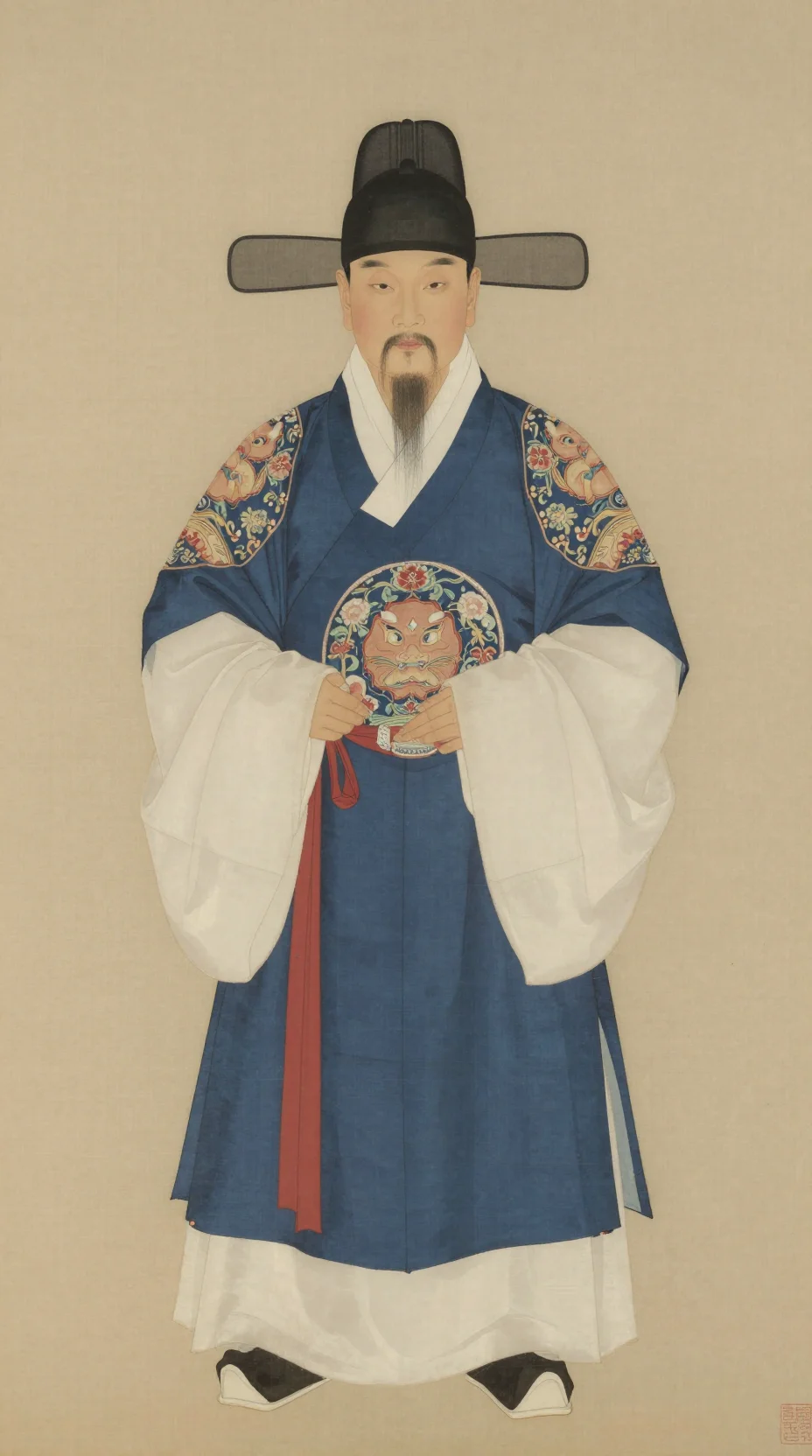
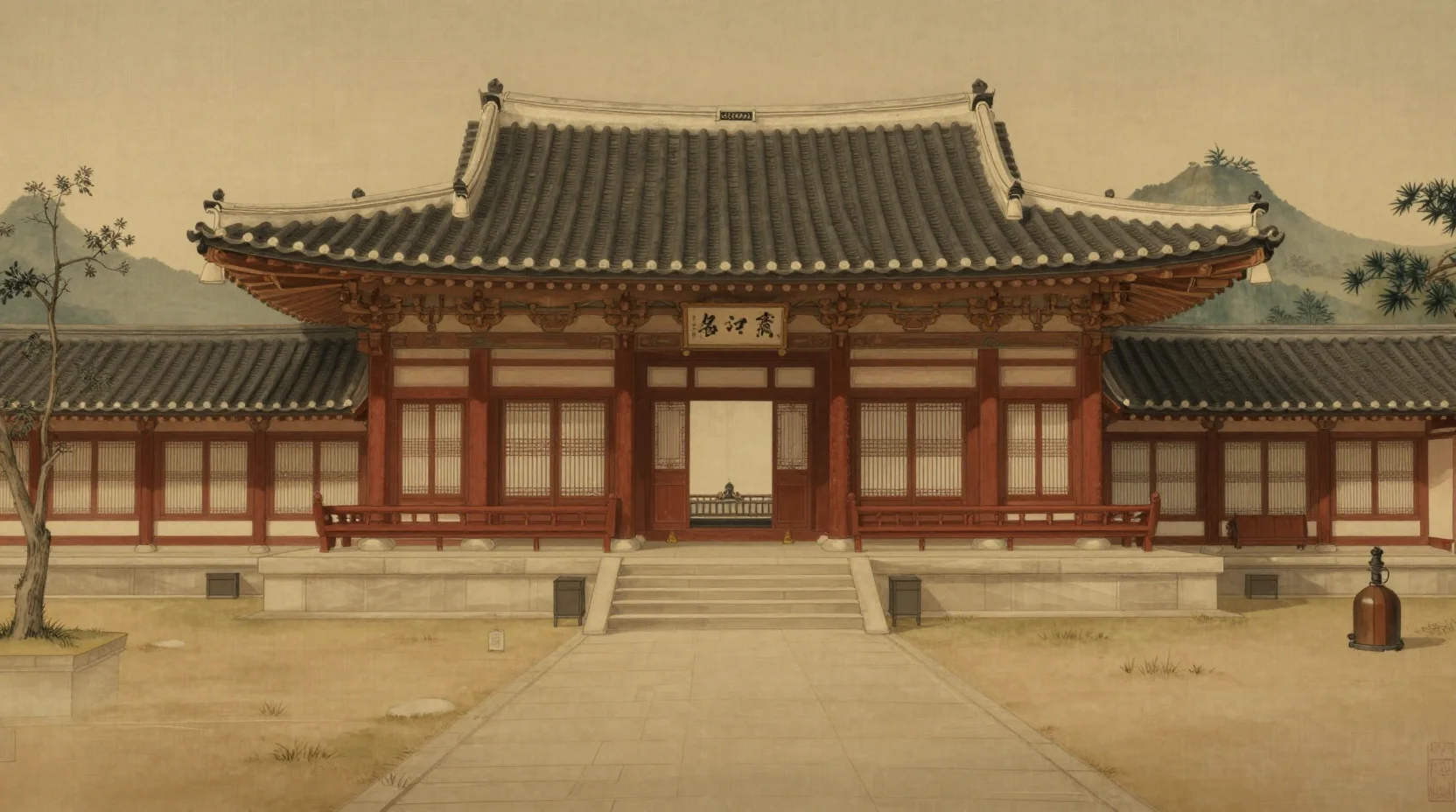
A vast hall with polished stone floors where Kim displays "his" masterpieces to admiring court officials. Sunlight streams through high windows, illuminating paintings that everyone believes were created by male hands.
Min-ji paints in secret while Court Painter Kim takes credit, establishing the deception that has protected them both for a decade.
Min-ji completes a landscape masterpiece in her hidden studio, Kim presents it as his own to the king who then commissions a portrait and demands to meet the master artist, setting the central conflict in motion.
Min-ji works through the night in her hidden studio, completing a landscape masterpiece with moonlight over mountains.

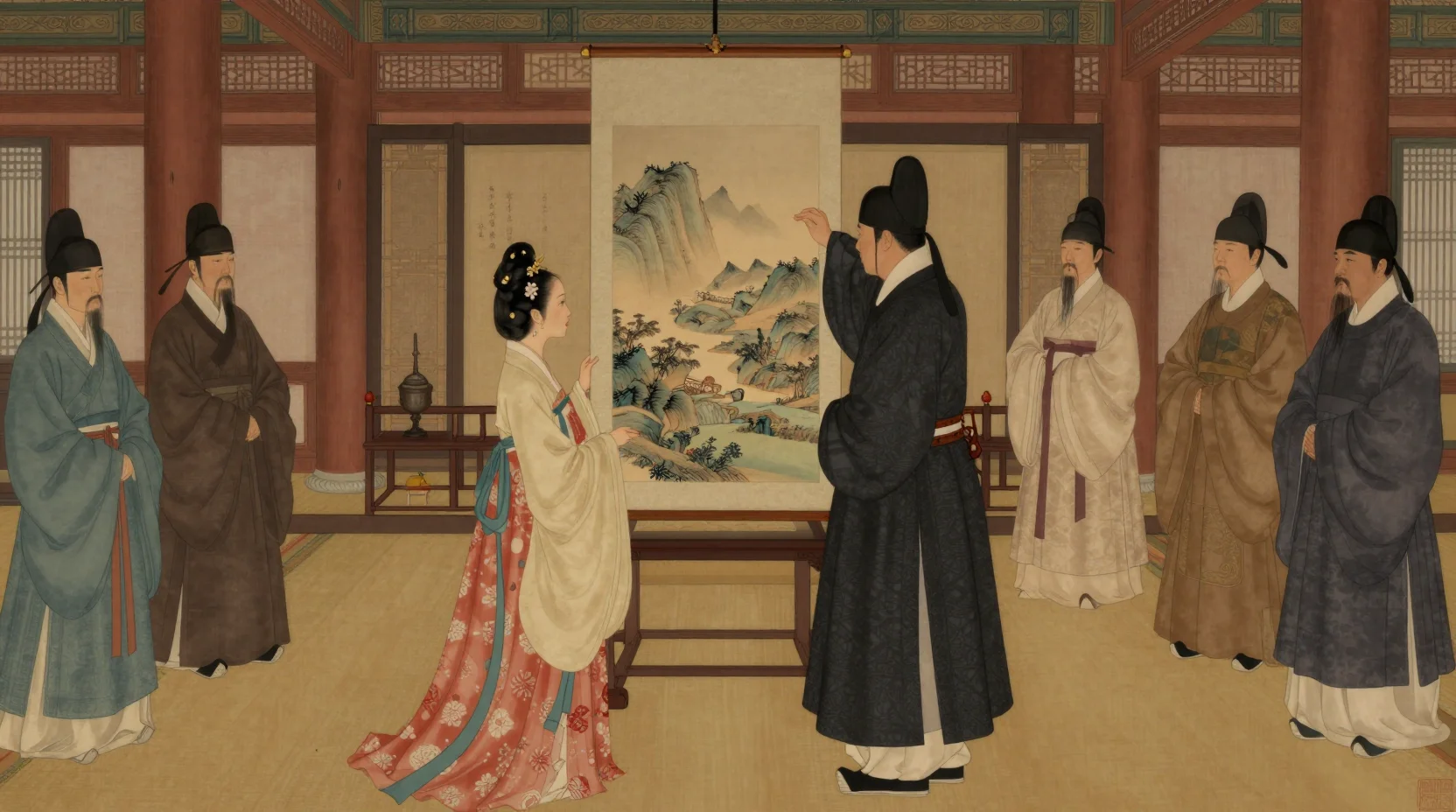
Court Painter Kim presents Min-ji's landscape to the king and court officials, receiving lavish praise for work he did not create.

The king commissions a royal portrait and insists on meeting the master artist, while Kim realizes his decade-long deception is collapsing.

Royal Inspector Choi begins investigating inconsistencies in Kim's artistic portfolio, threatening to expose the deception that protects Min-ji.
Min-ji presents herself as the true artist before the king, choosing exposure over continued deception regardless of the consequences.