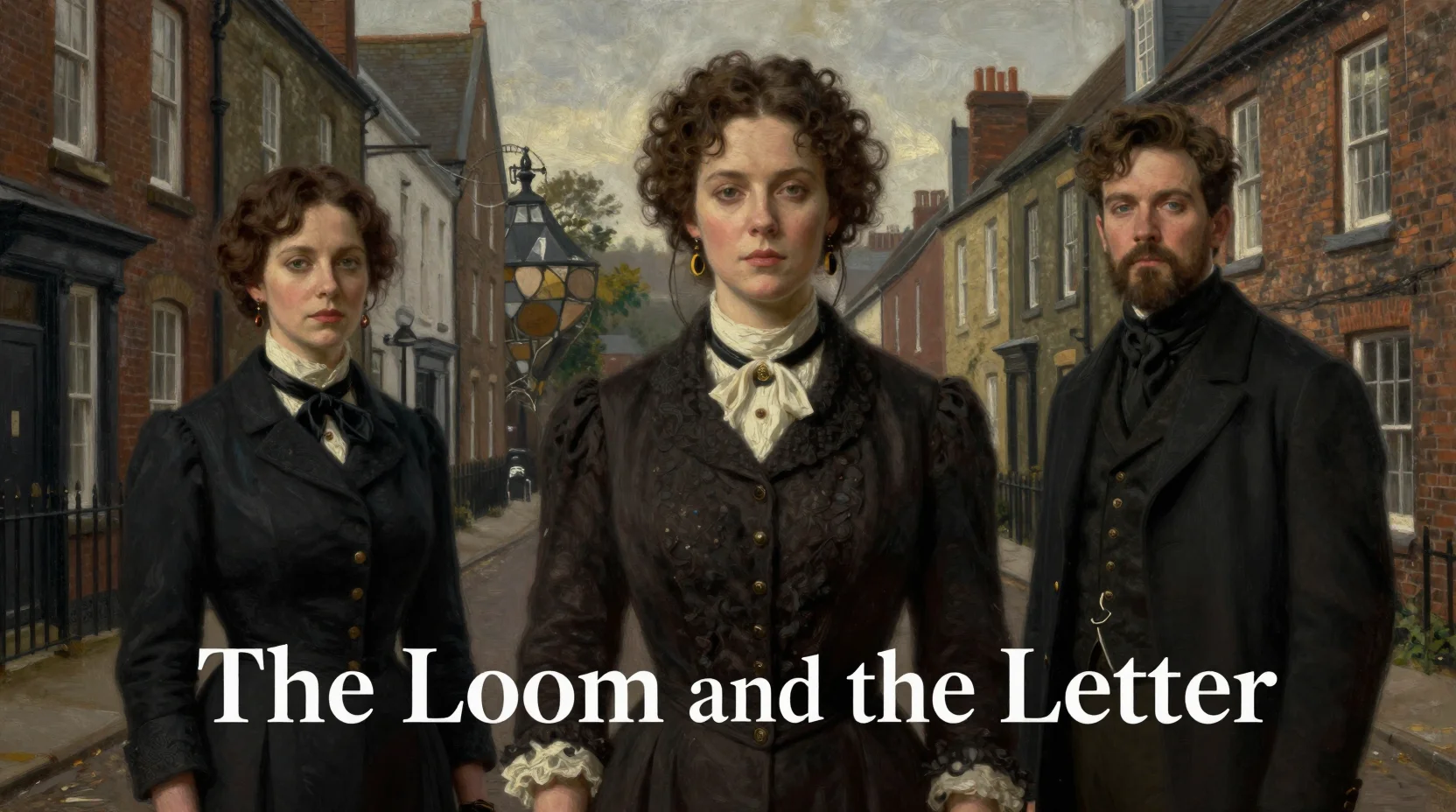
The Loom and the Letter
DramaBittersweet3 audio scenes
Ready to read?
1 chapter • 3 scenes
Summary
In 1882 Manchester, 14-year-old Elara Campbell defies her father's wishes to attend the newly free school, dreaming of becoming a teacher. When a textile factory accident crushes his hands, she must choose between her education and the family's survival as the only one capable of working the loom.
Characters

Mrs. Margaret Blackwood
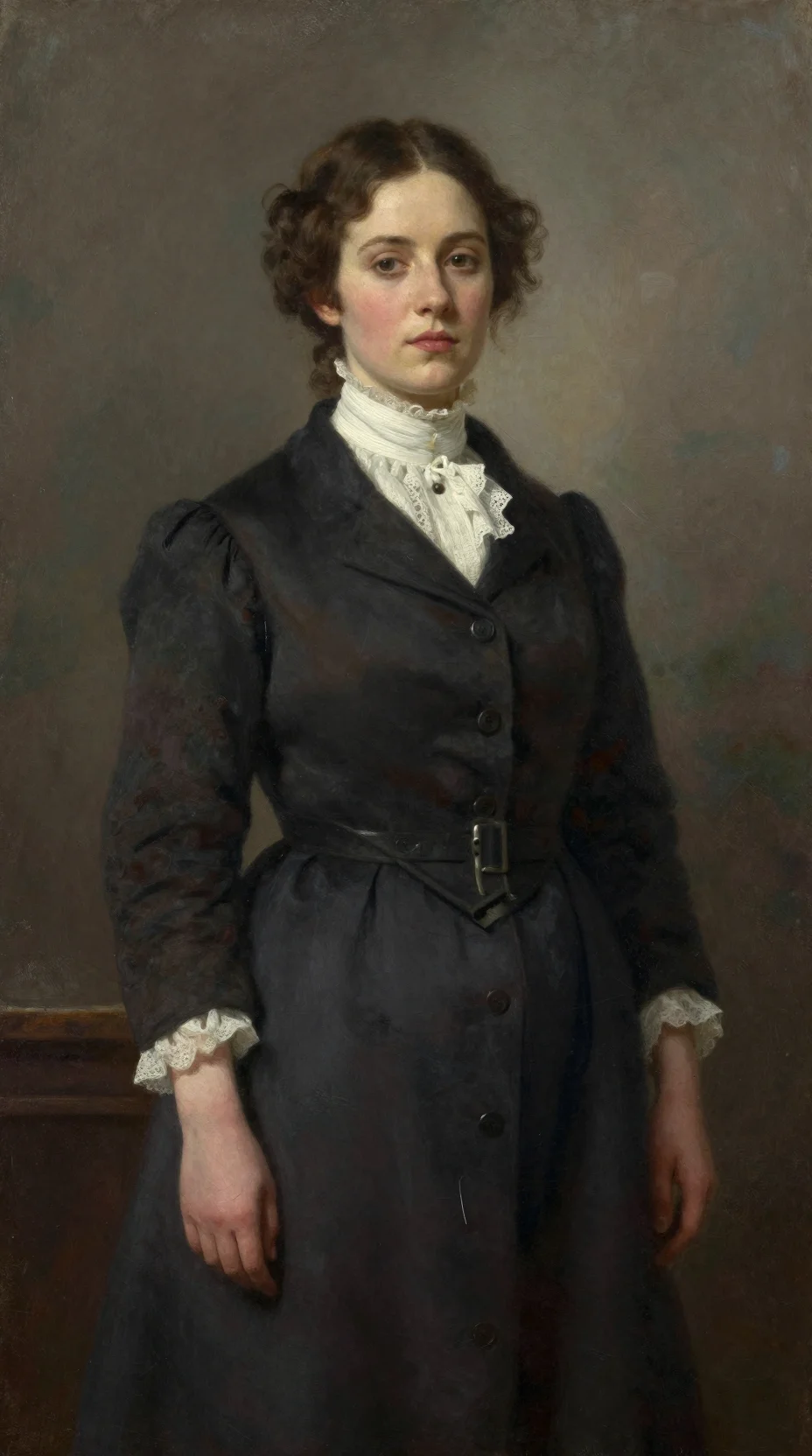
Elara Campbell
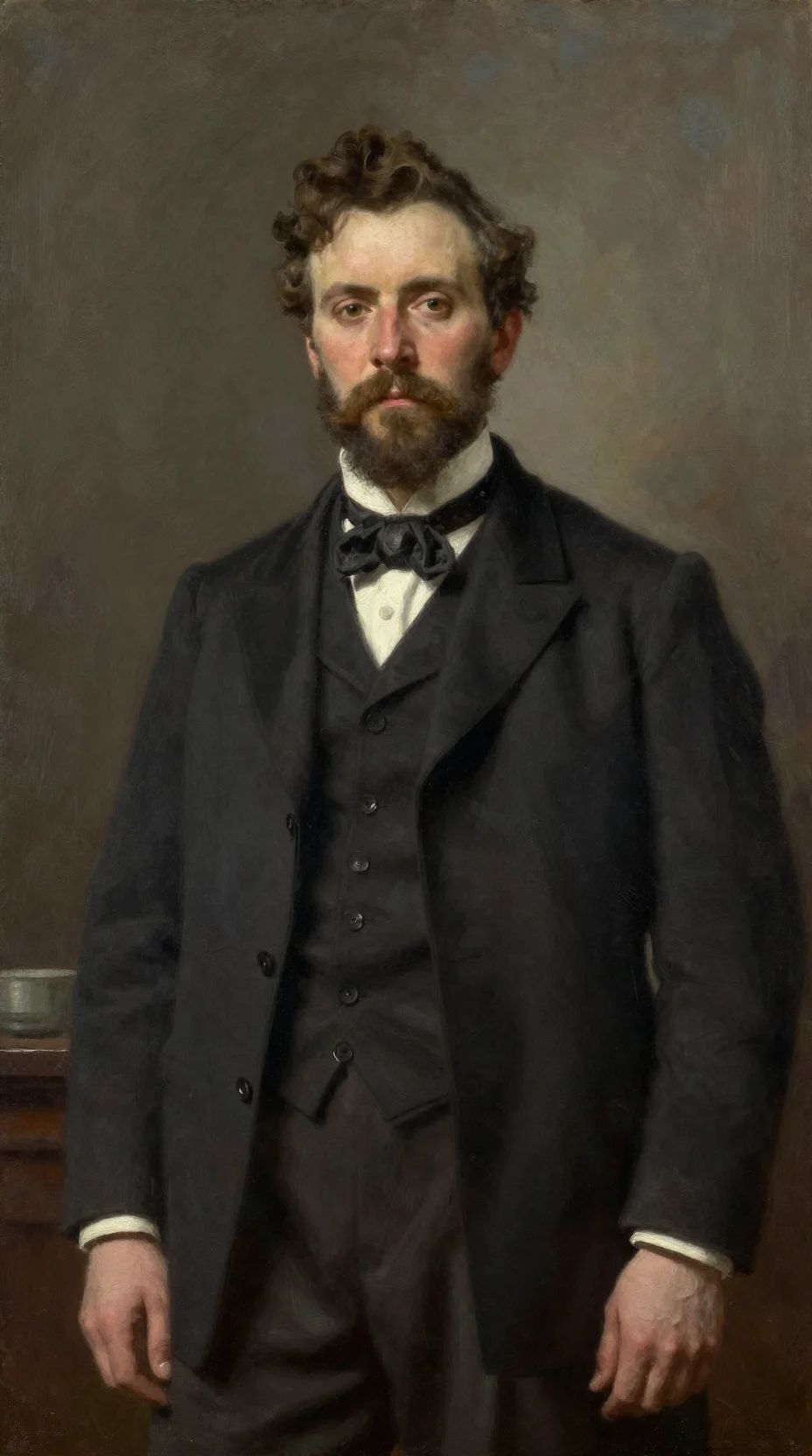
Thomas Campbell
Settings
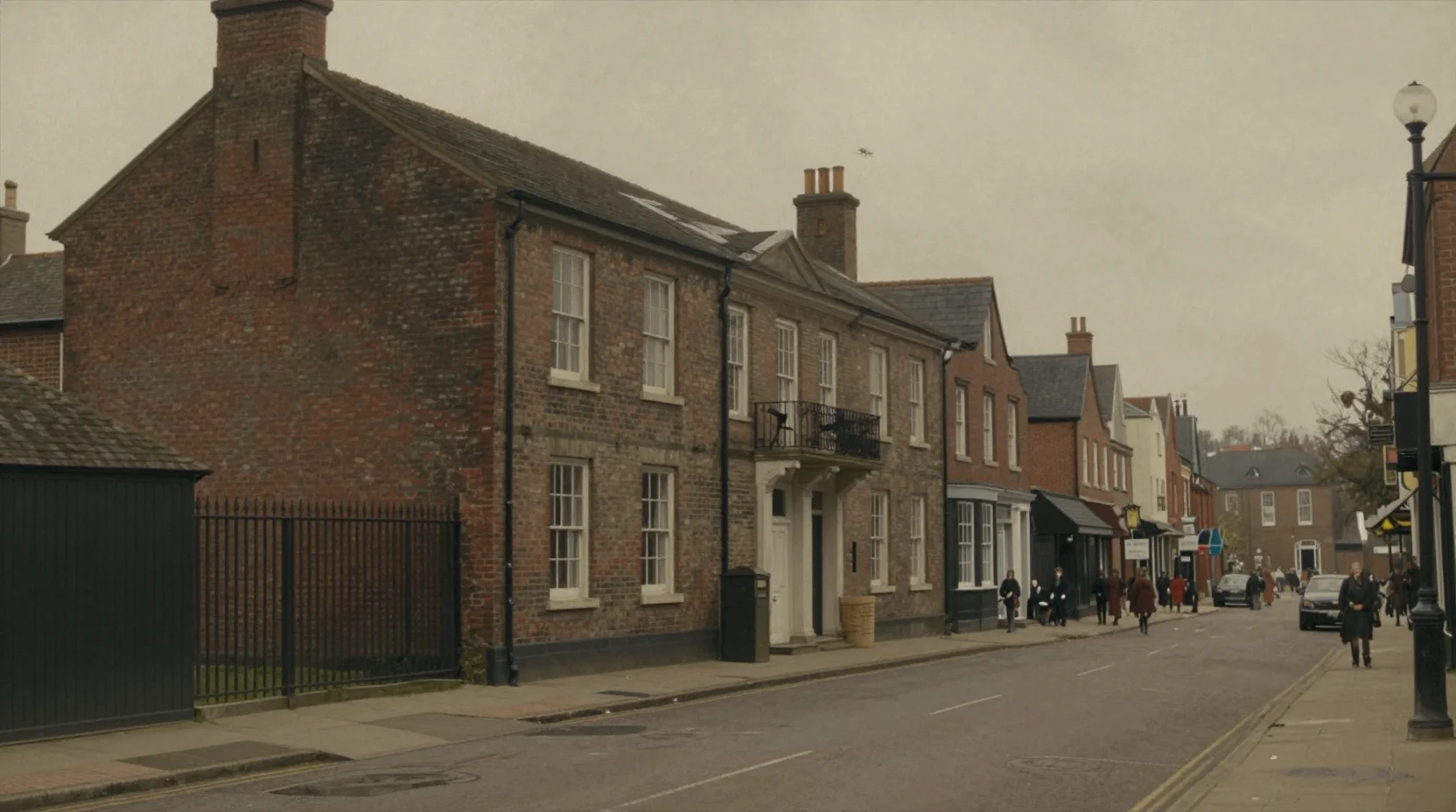
The Free School on Chapel Street
A converted warehouse with high windows admitting pale light, rows of desks scarred by previous lives, and walls displaying maps of worlds these children may never see. The air smells of chalk dust and hope.

The Campbell Tenement
A single-room apartment on Ancoats' third floor, where coal-smoke stains the ceiling and the walls weep damp in winter. One bed for three people, a cracked window that rattles with factory thunder, and a table covered in unpaid bills and medical notices.
Story Structure
1
The Letter and the Loom
Elara thrives at the free school, her teacher Margaret recognizes her potential, while Thomas secretly prays his daughter's dreams won't cost them everything.
1
The Letter and the Loom
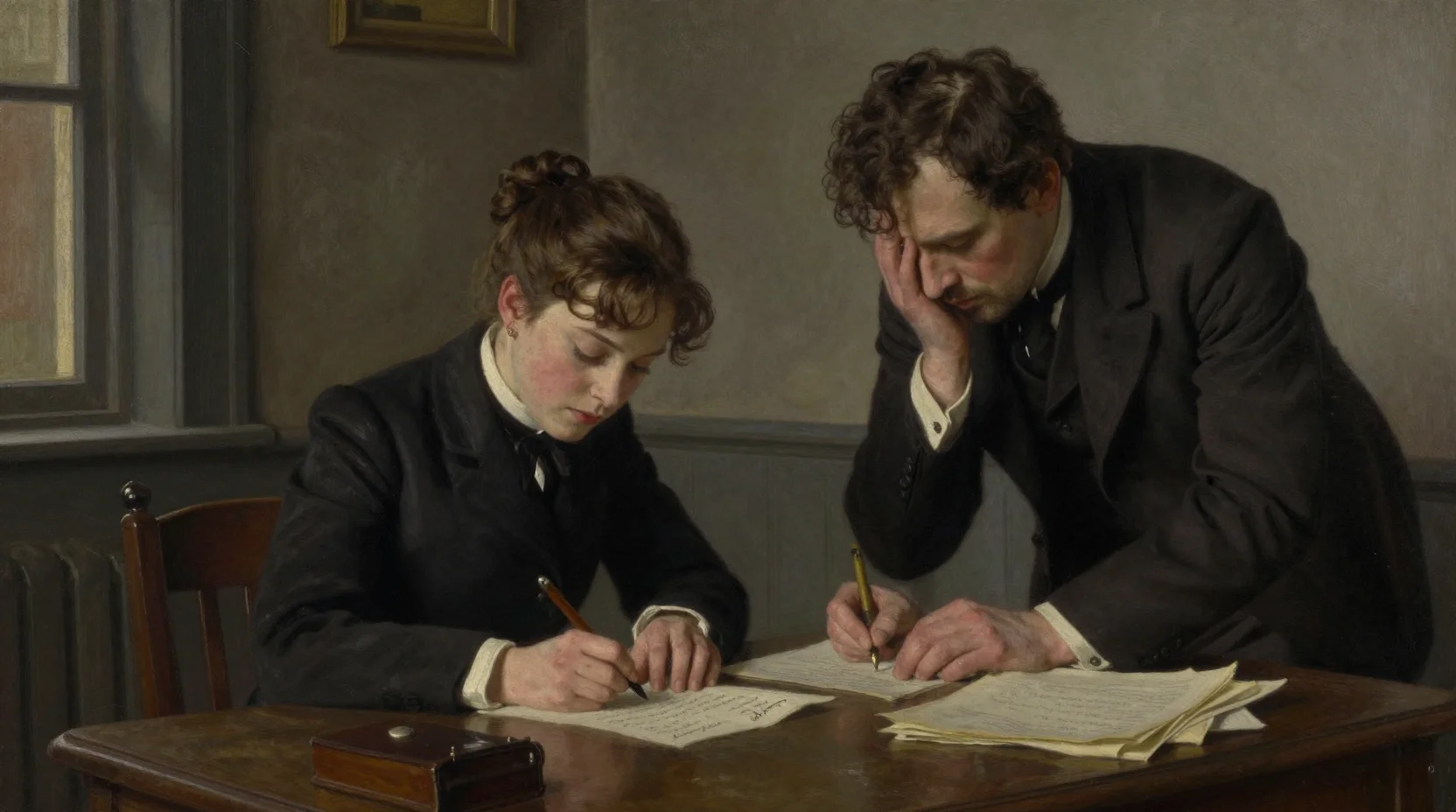
Elara excels at the free school while her father Thomas secretly watches from the street, filled with pride and dread. A letter arrives denying compensation for his injury, sealing their fate.
1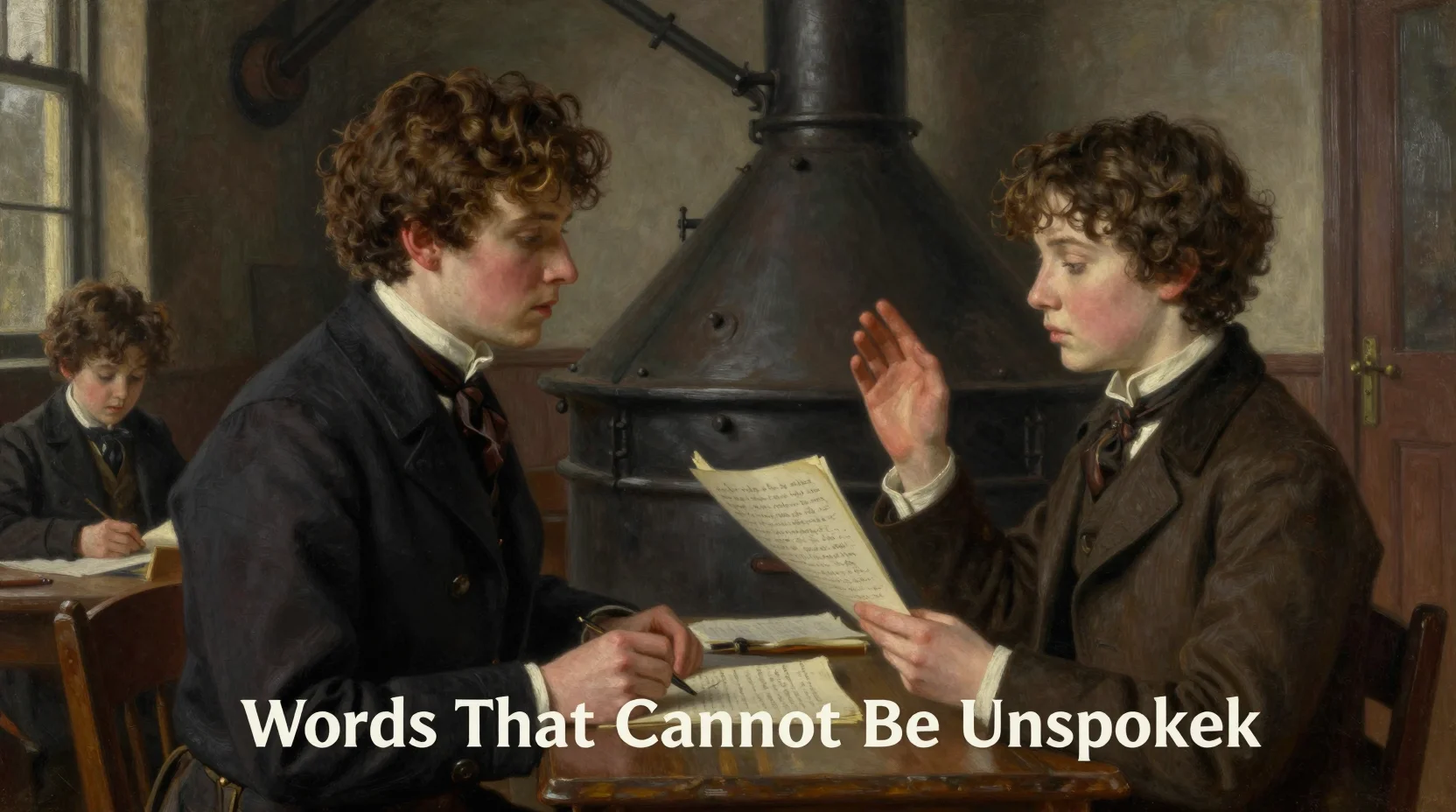
Words That Cannot Be Unspoken
Margaret Blackwood asks for volunteers to read their compositions, and Elara Campbell hesitantly raises her hand to share her essay about children in the mills.
2
The Ghost at the Window
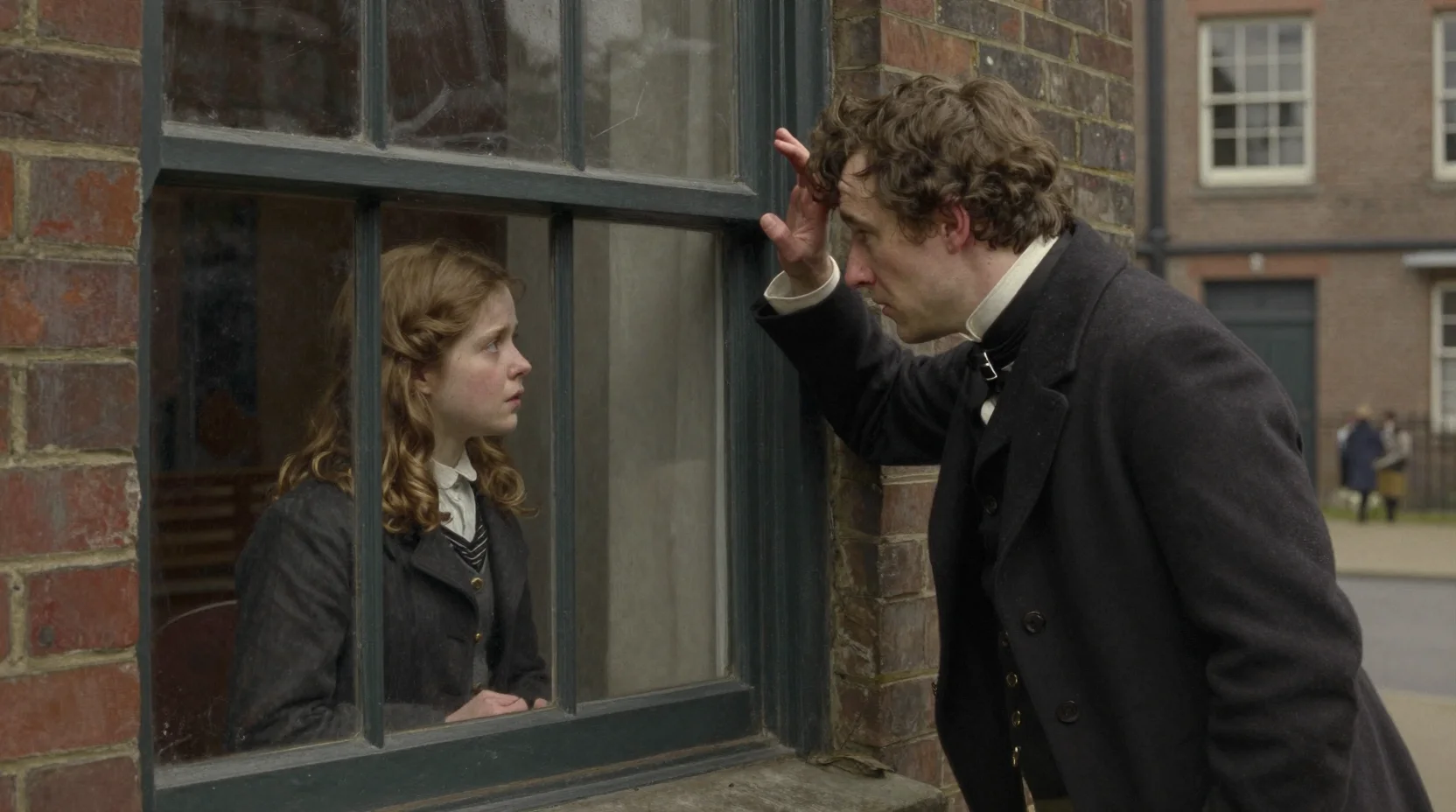
Outside the school, Thomas Campbell presses his forehead against the cold glass, watching his daughter through the window while pride wars with crushing dread in his chest.
- Story ID
- story_Ir7whsxSqxJdF2xX
- Created
- January 12, 2026
- Art Style
- Realistic Victorian-era oil painting with muted industrial tones (photography)
- Status
- published
You may also like