1 chapter • 3 scenes
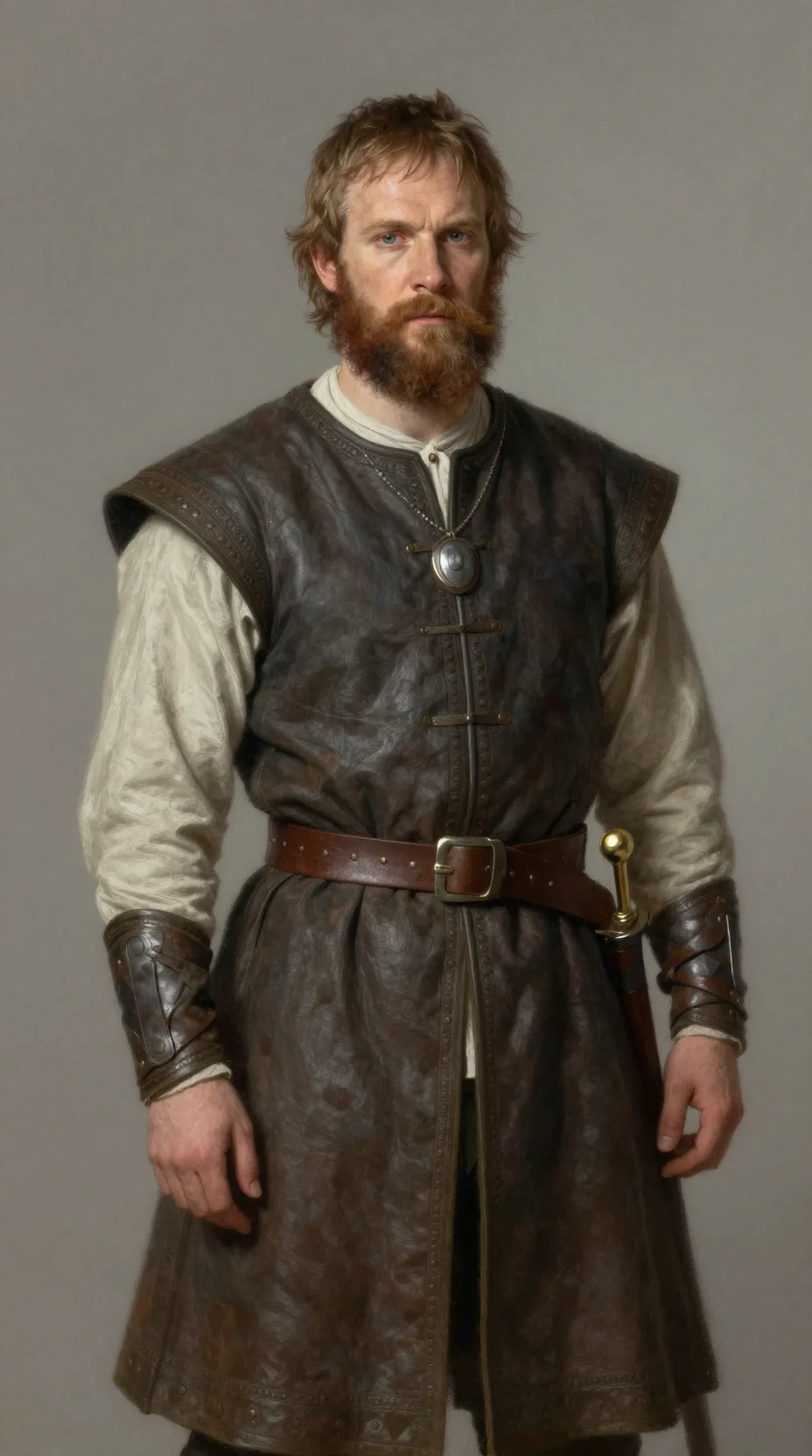
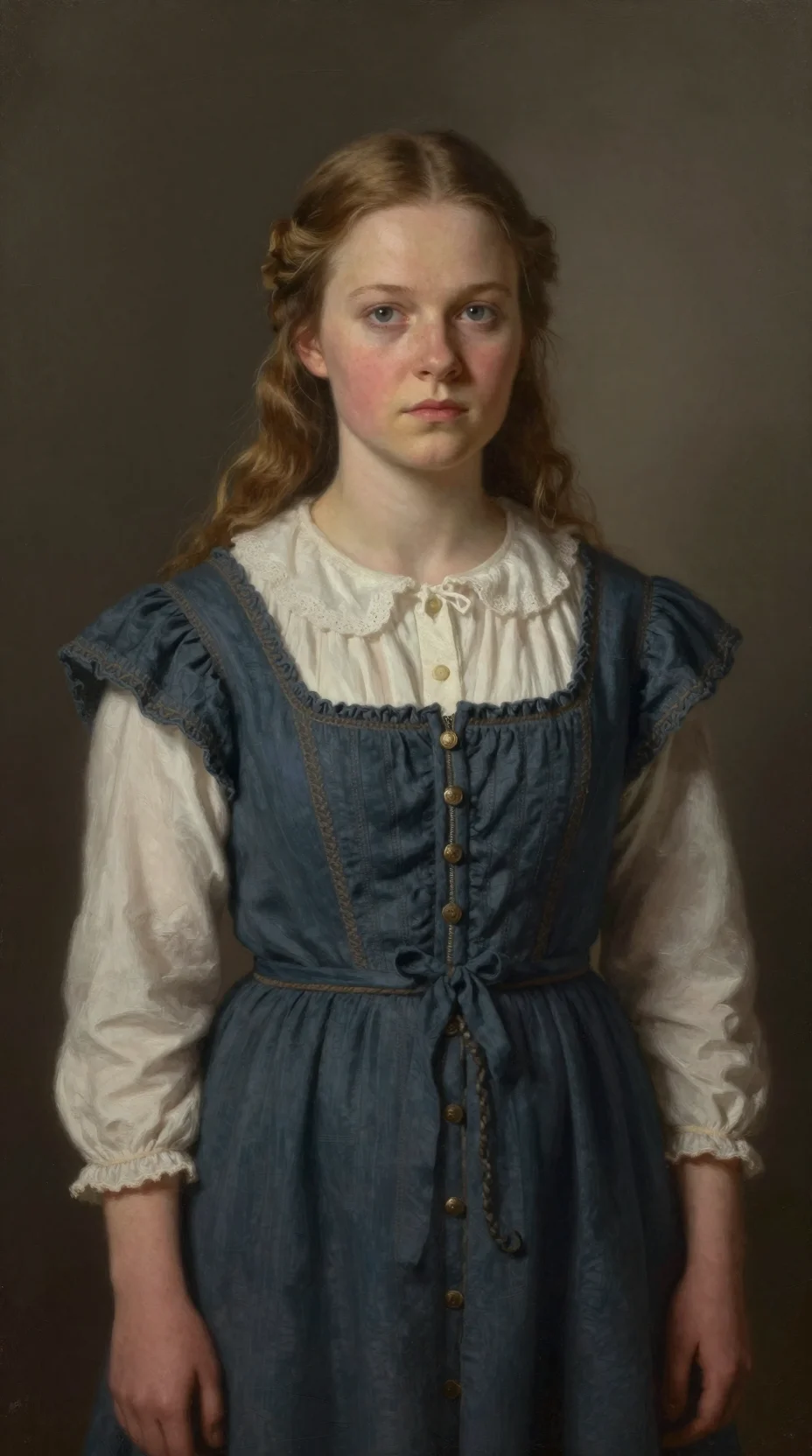
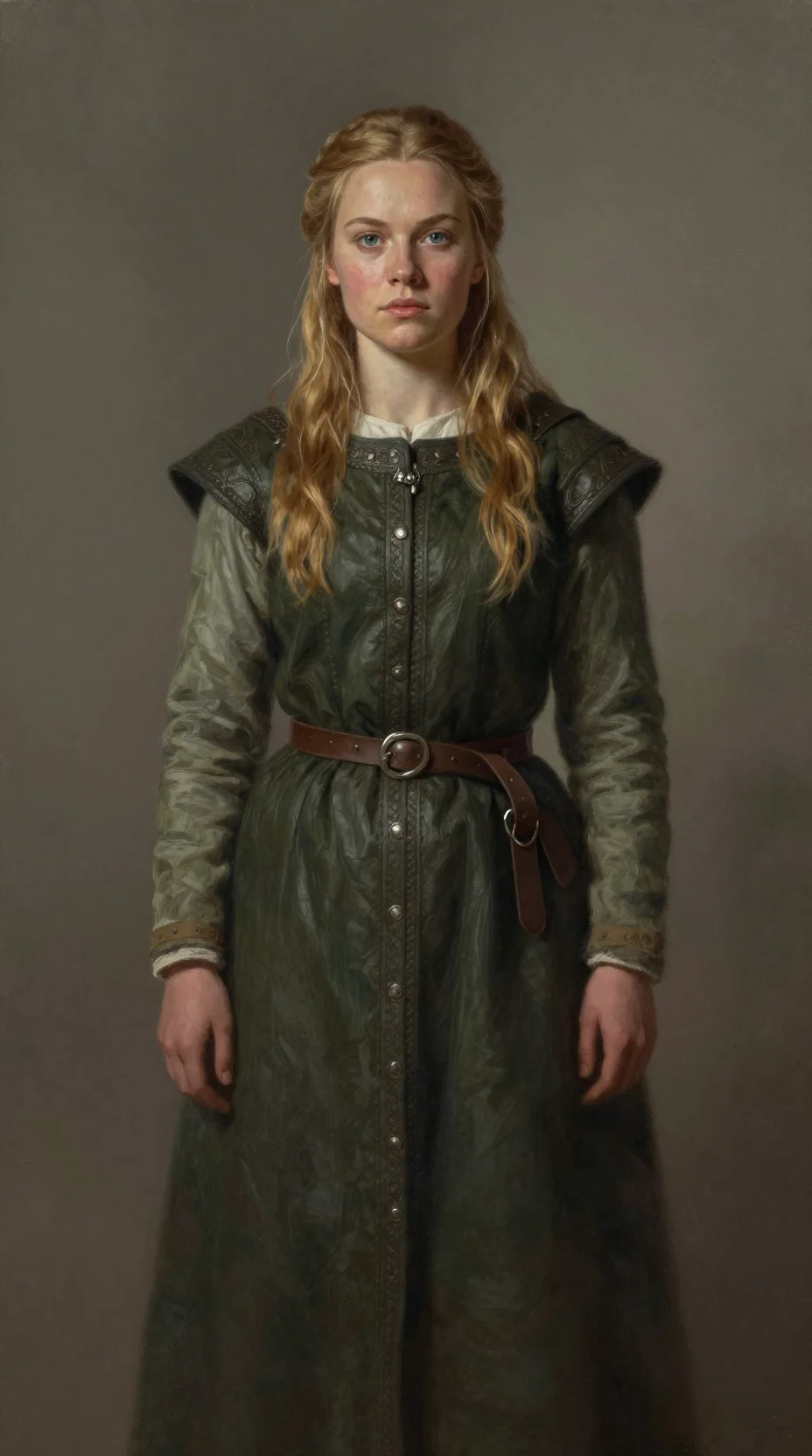
On October 24, 1975, ninety percent of Iceland's women refuse to work or perform household duties for a single day, forcing three people—a reluctant housewife, a radical student, and a conservative politician—to confront what equality truly means when the invisible labor that holds society together suddenly vanishes.


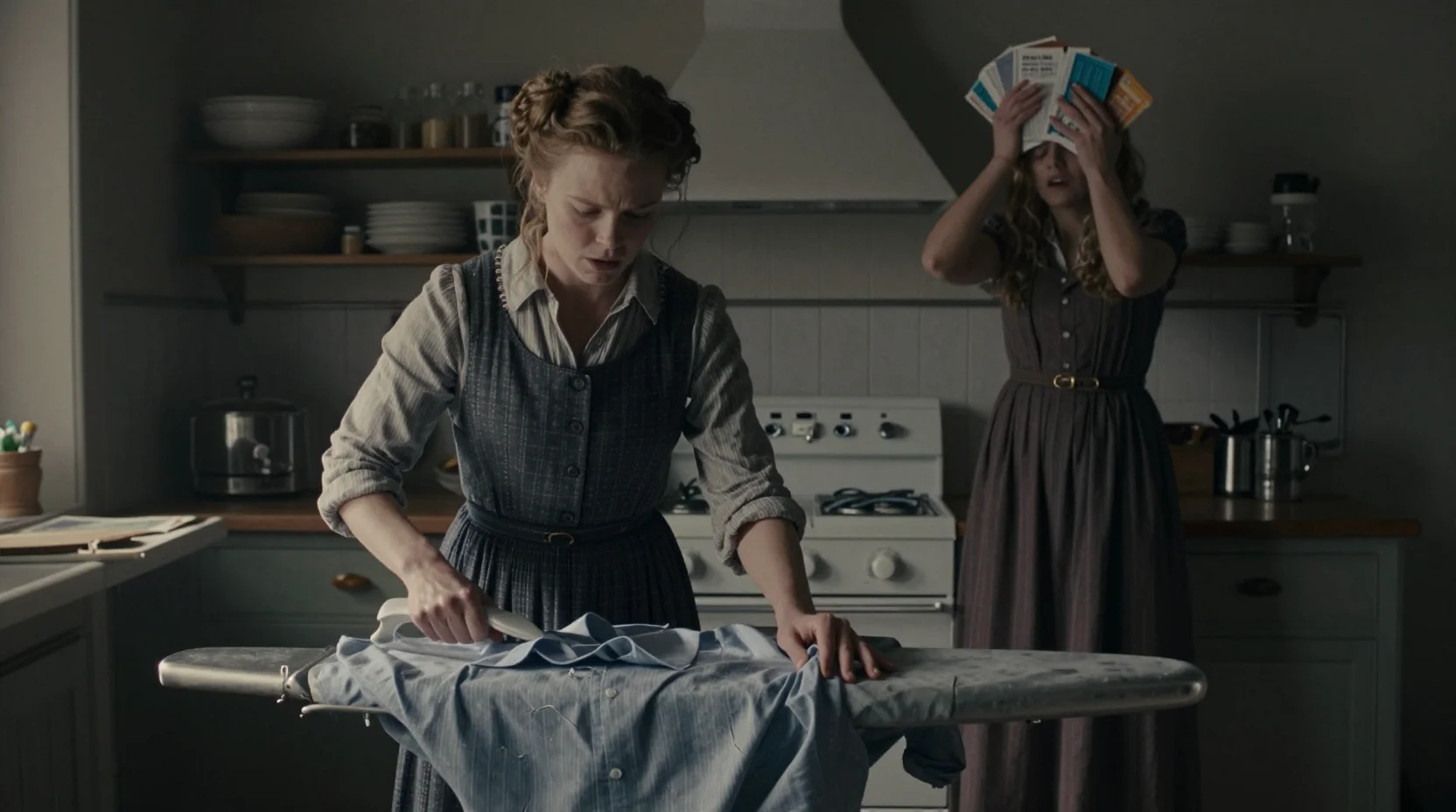
A spotless 1970s Reykjavik kitchen with pale yellow walls and worn linoleum, every surface organized with military precision. The perpetual smell of coffee and the sound of running water create a soundtrack of invisible labor.

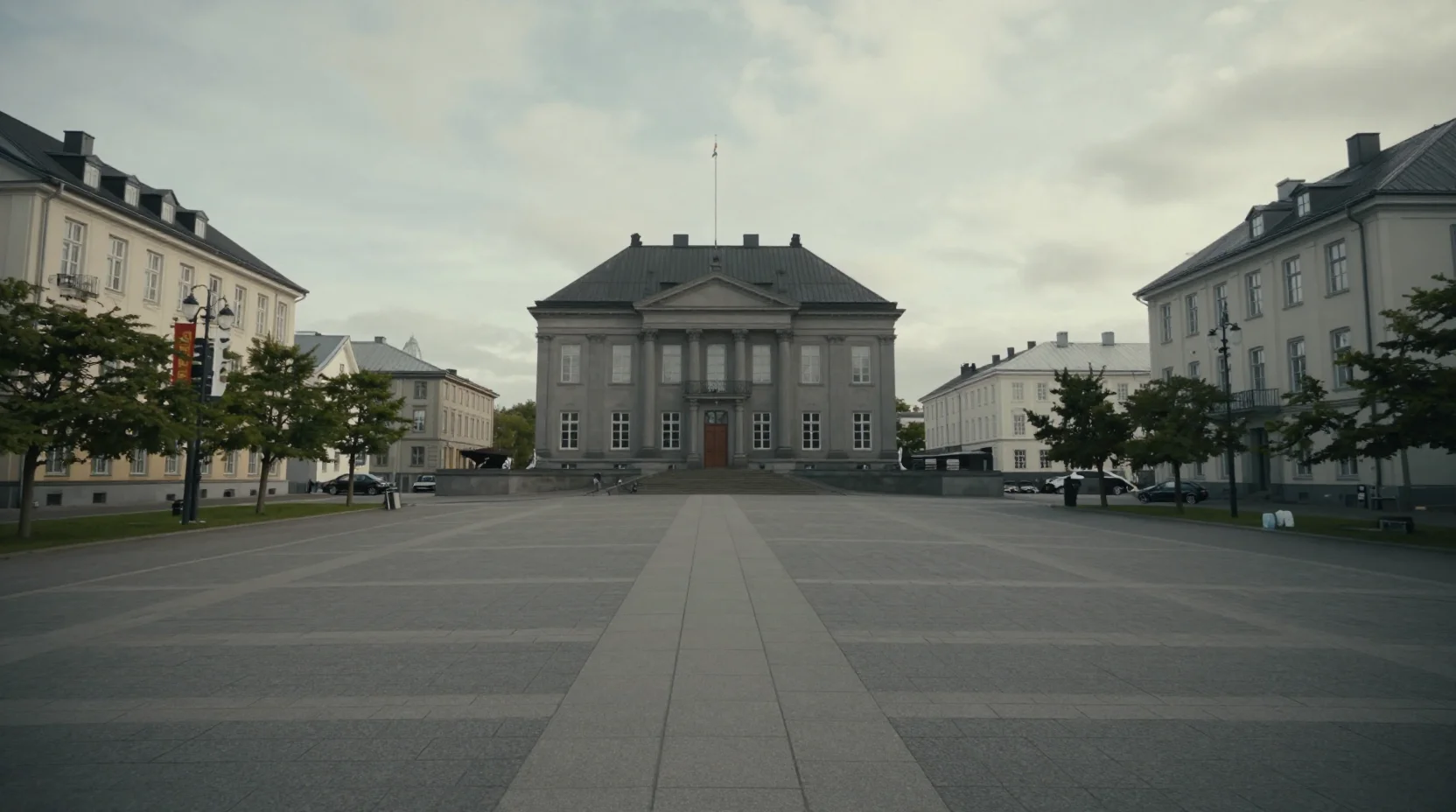
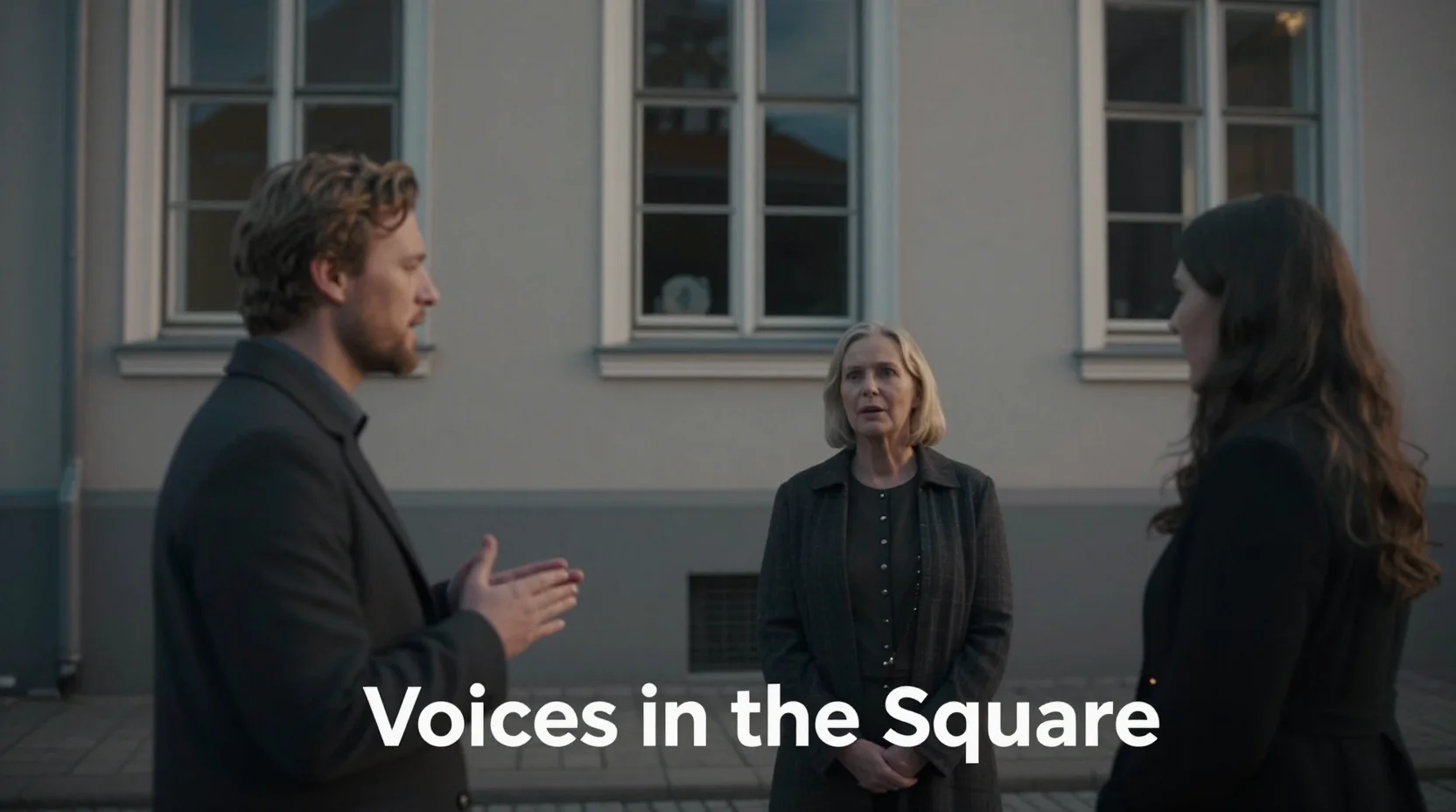
The historic square facing Iceland's Parliament, transformed on October 24th into a sea of women's voices. Empty storefronts and closed offices frame the gathering, the absence of normal life making the collective presence impossible to ignore.
The complete arc of October 24, 1975, when Iceland's women walked off their jobs and three lives transformed: Guðrún finding her voice through exhaustion, Sigrún discovering empathy beyond theory, and Ólafur confronting the systems he'd perpetuated.
October 23rd through October 24th, 1975: Three lives collide as Iceland's women prepare for and execute a historic strike, forcing recognition of invisible labor and transforming those who participate, resist, and witness.
October 23rd midnight in the Jónsdóttir Kitchen, where Guðrún's mechanical perfection cracks as she irons her husband's shirts, Sigrún packs pamphlets upstairs in frustration, and invisible labor maintains the illusion of effortless domesticity.

October 24th morning when Guðrún doesn't make breakfast, the Jónsdóttir household descends into chaos as Iceland's invisible foundation vanishes, and across the city Ólafur watches his carefully reasoned world collapse.

By afternoon in Austurvöllur Square, three perspectives converge as Guðrún speaks publicly for the first time, Sigrún sees her mother's courage, and Ólafur watches from Parliament windows choosing transformation over comfort.