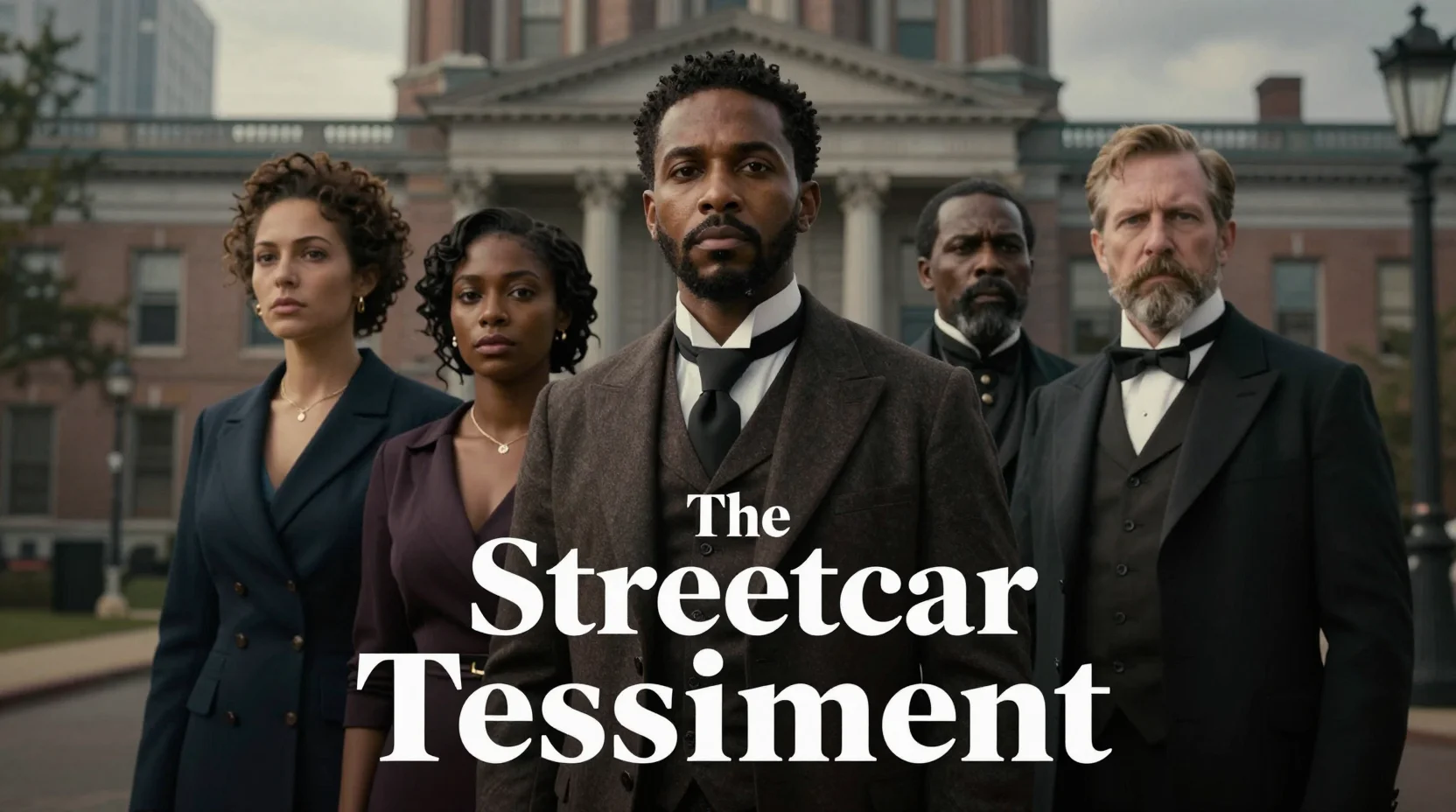
The Streetcar Testament
HistoricalDefiant and hopeful3 audio scenes
Ready to read?
1 chapter • 3 scenes
Summary
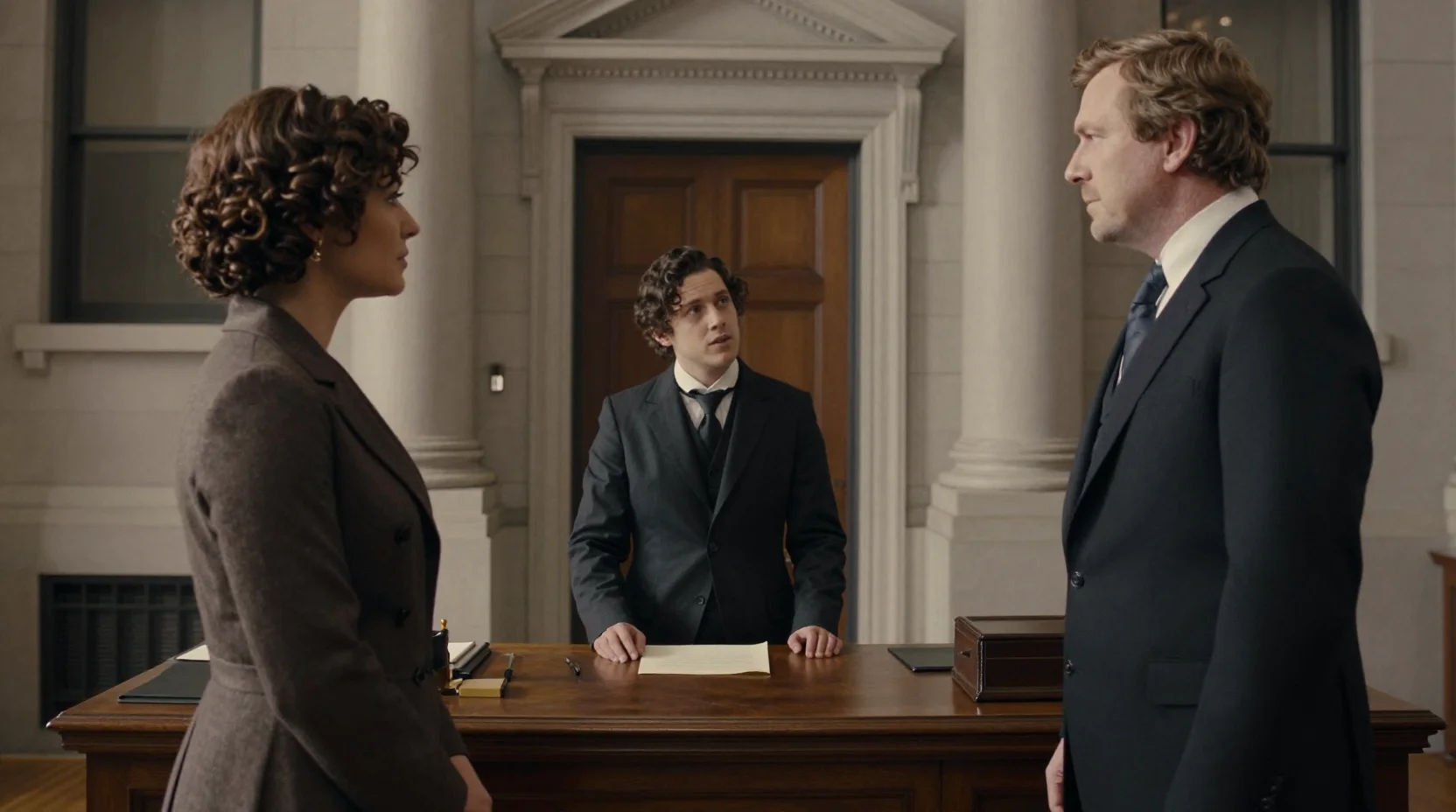
In 1854 New York, Elizabeth Jennings, a 24-year-old African American church organist, is forcibly ejected from a segregated streetcar. Refusing to accept this injustice, she partners with a young lawyer named Chester Arthur to file the first successful transportation desegregation lawsuit in American history—a century before Rosa Parks.
Characters

Thomas L. Jennings

Elizabeth Jennings

Chester A. Arthur

Conductor James Moss
Settings
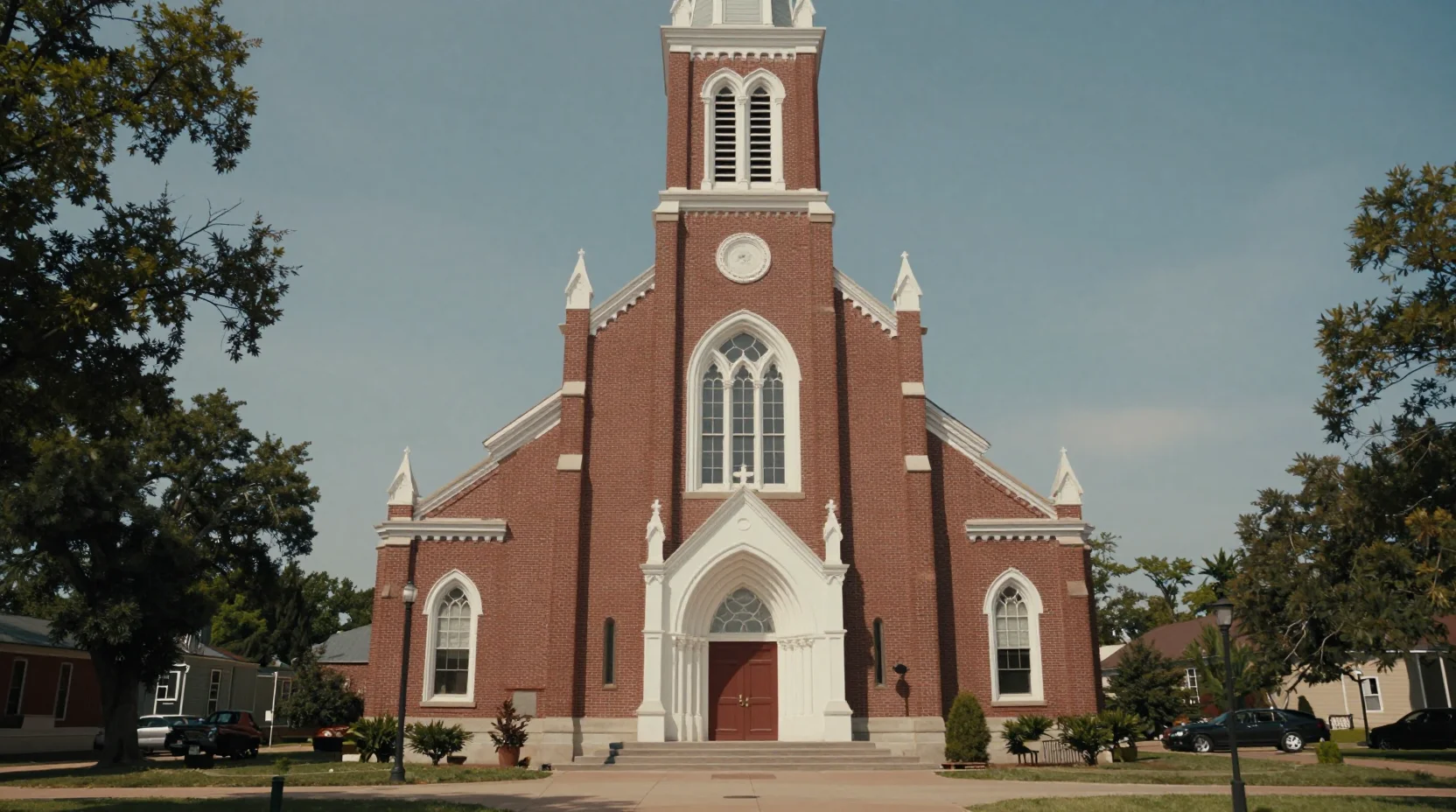
First Colored Congregational Church
A modest wooden building in lower Manhattan where light streams through plain glass windows onto worn pews polished by generations of worshipers. The pipe organ dominates the front, its brass pipes catching light like promises of transcendence.
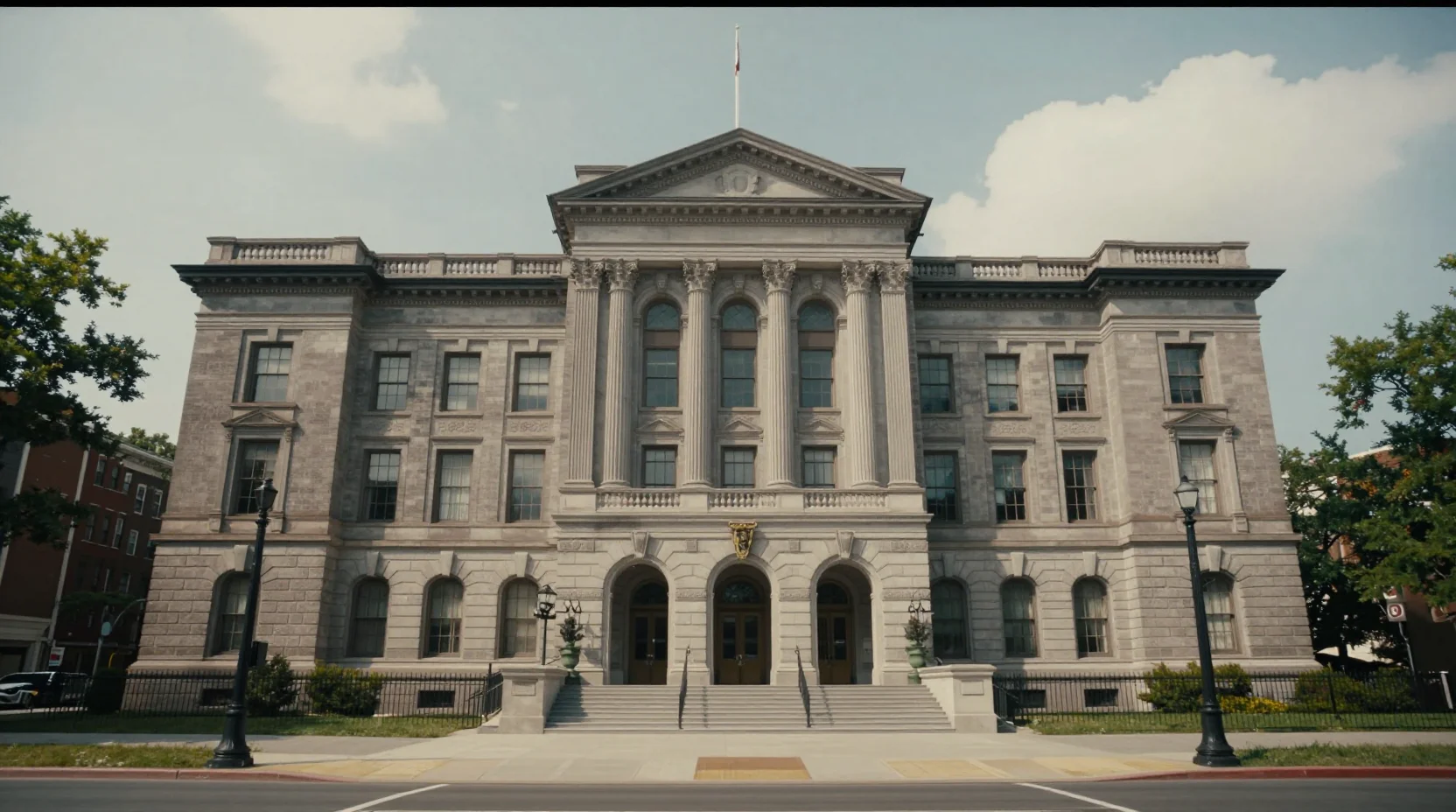
Brooklyn Courthouse
High-ceilinged chamber with dark wood paneling where gaslight flickers across the bench where Judge Rockwell presides. The witness box sits exposed in the center, forcing those who testify to stand alone before the court's scrutiny.
Story Structure
1
Departure
Elizabeth's world is shattered when she is violently ejected from a Third Avenue streetcar, forcing her to choose between accepting familiar humiliation or crossing the threshold into a legal battle that will challenge everything she knows about justice.
1
Departure - Complete
On July 16, 1854, Elizabeth Jennings boards a Third Avenue streetcar believing her respectability will shield her, only to be violently ejected by Conductor Moss. Her father Thomas recognizes this humiliation as the test case needed to challenge segregation and seeks legal counsel from Chester Arthur.
1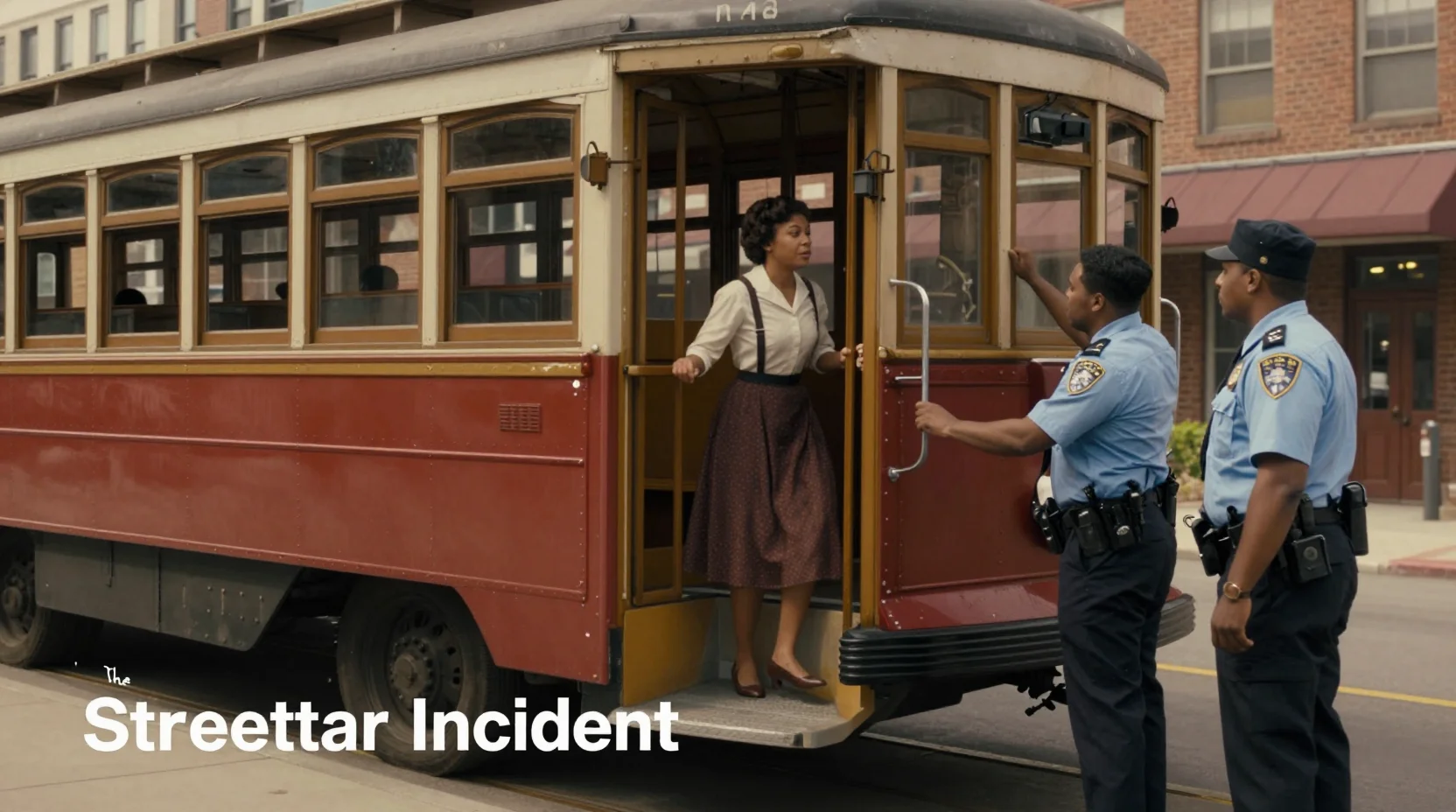
The Streetcar Incident
Elizabeth boards the Third Avenue streetcar with Sarah Adams, believing her Sunday dress and respectability will protect her, but Conductor Moss forcibly ejects her with police assistance.
2
A Father's Recognition
Elizabeth returns home shaken and humiliated, but her father Thomas recognizes this moment as the test case needed to challenge the Third Avenue Railroad Company's segregation practices.
- Story ID
- story_1Ngqdu7GHbHq12V0
- Created
- December 29, 2025
- Art Style
- realistic (photography)
- Status
- published
You may also like