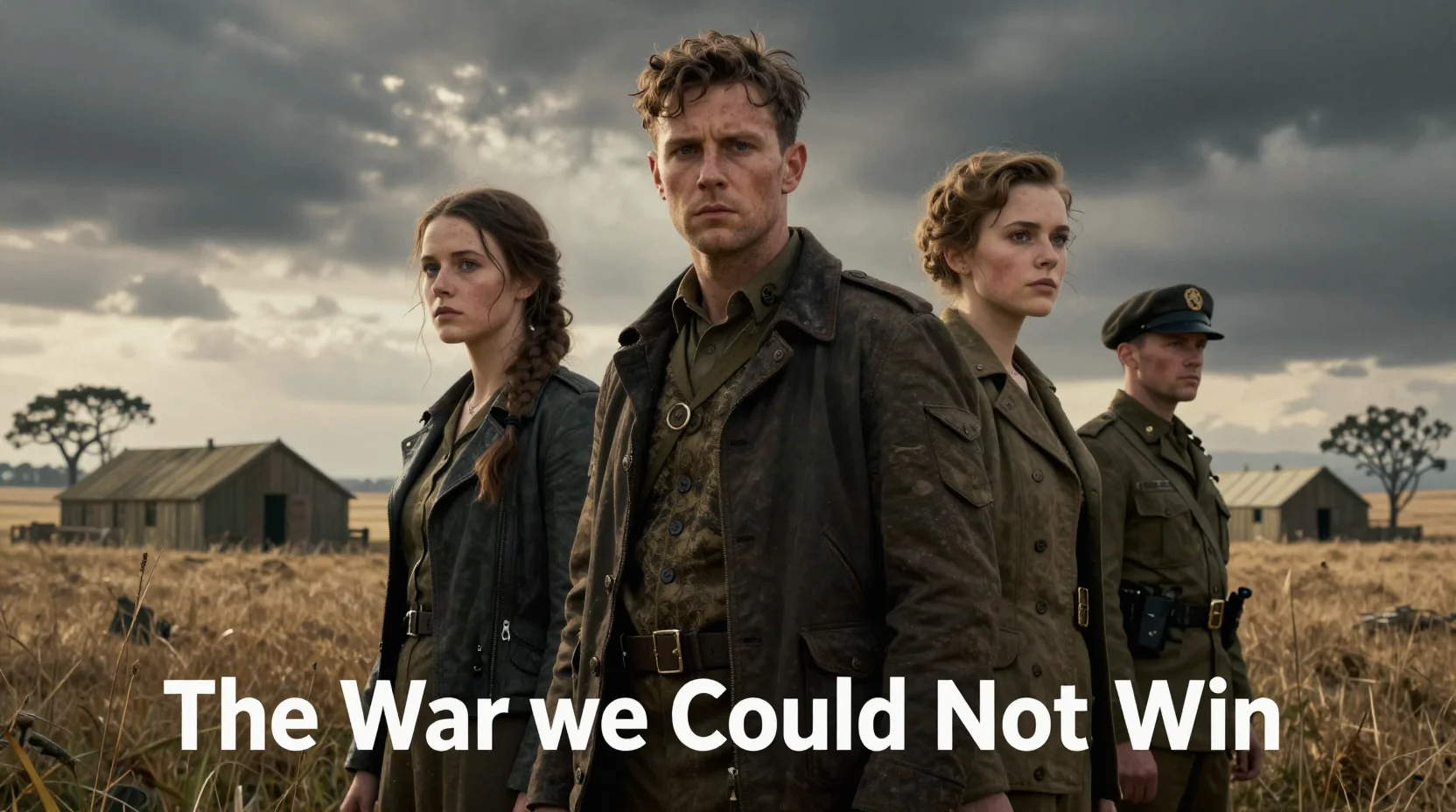
The War We Could Not Win
HistoricalContemplative, ironic3 audio scenes
Ready to read?
1 chapter • 3 scenes
Summary
In 1932 Western Australia, artillery sergeant Gwynydd Meredith leads a military operation against thousands of emus devastating farmland, only to discover that superior firepower means nothing when nature refuses to follow the rules of war.
Characters
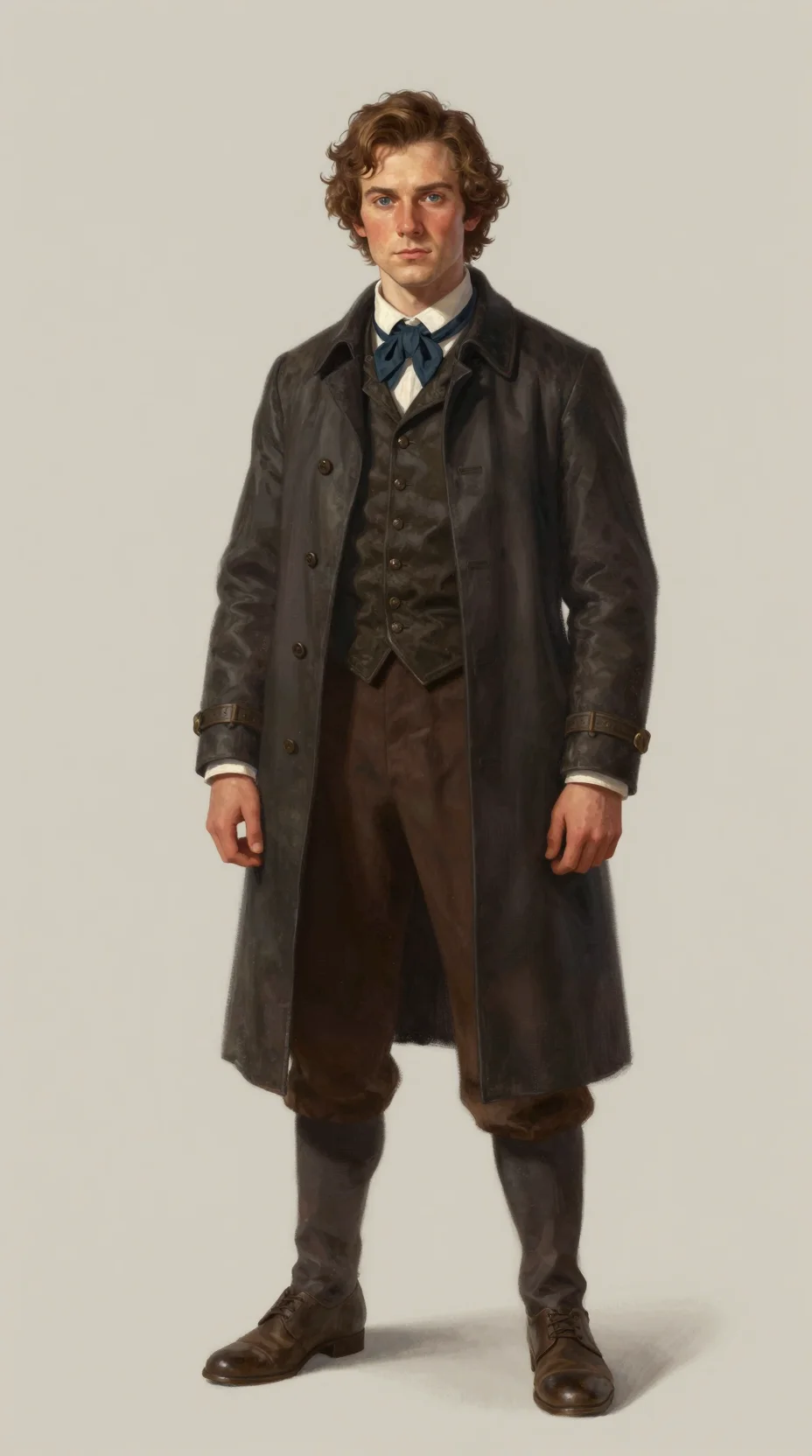
Jack Fletcher
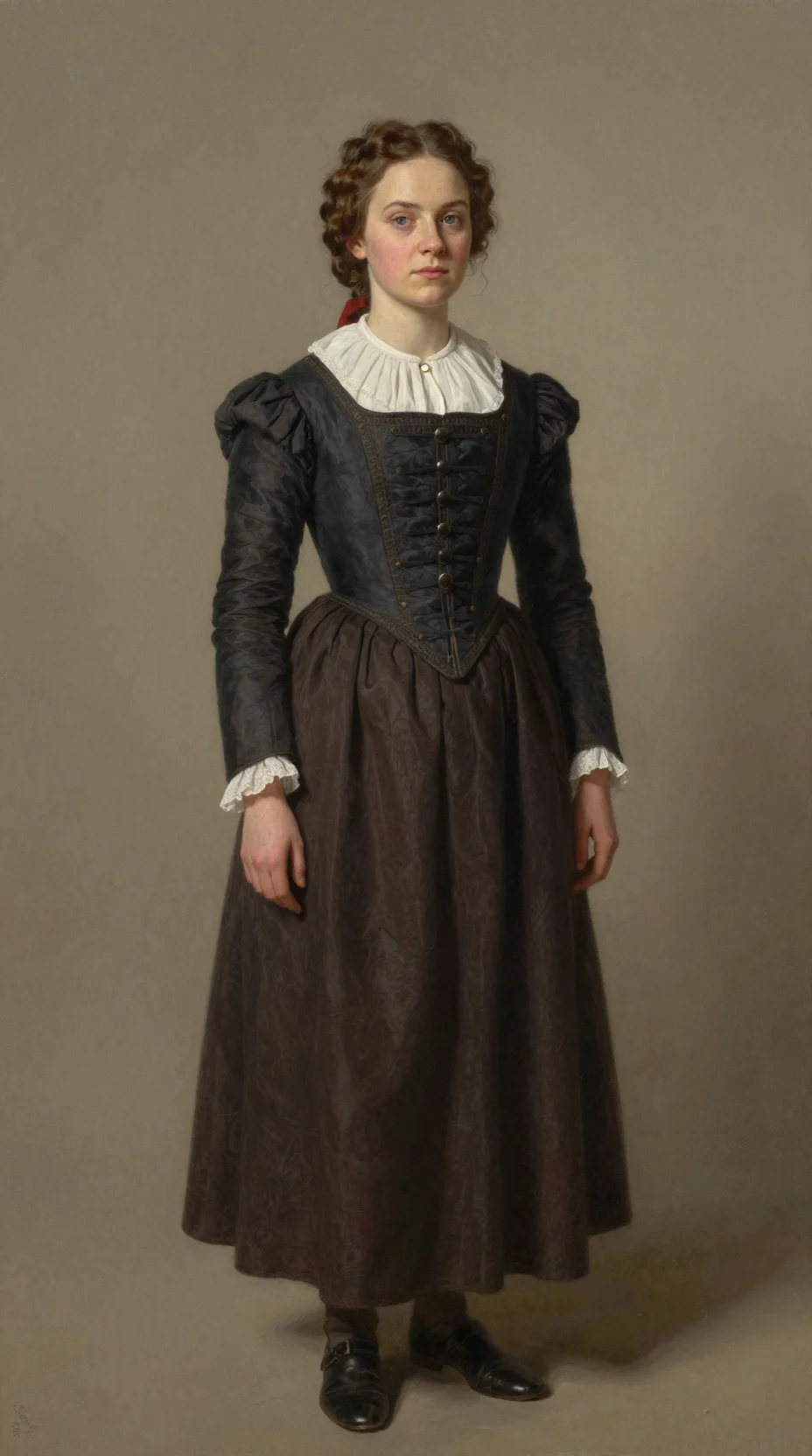
Gwynydd Purves Meredith
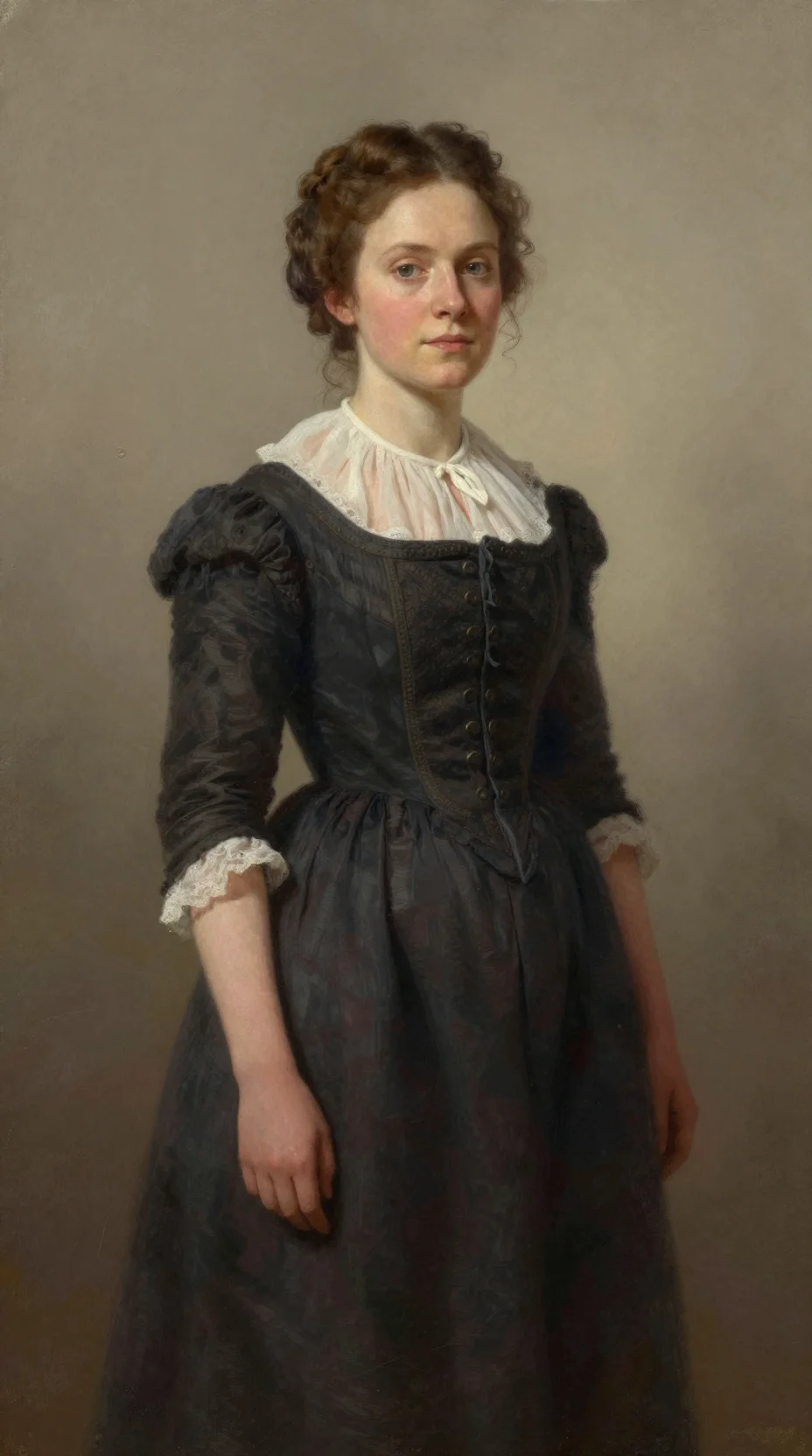
Margaret Ainsworth

Sergeant Sean McMurray
Settings
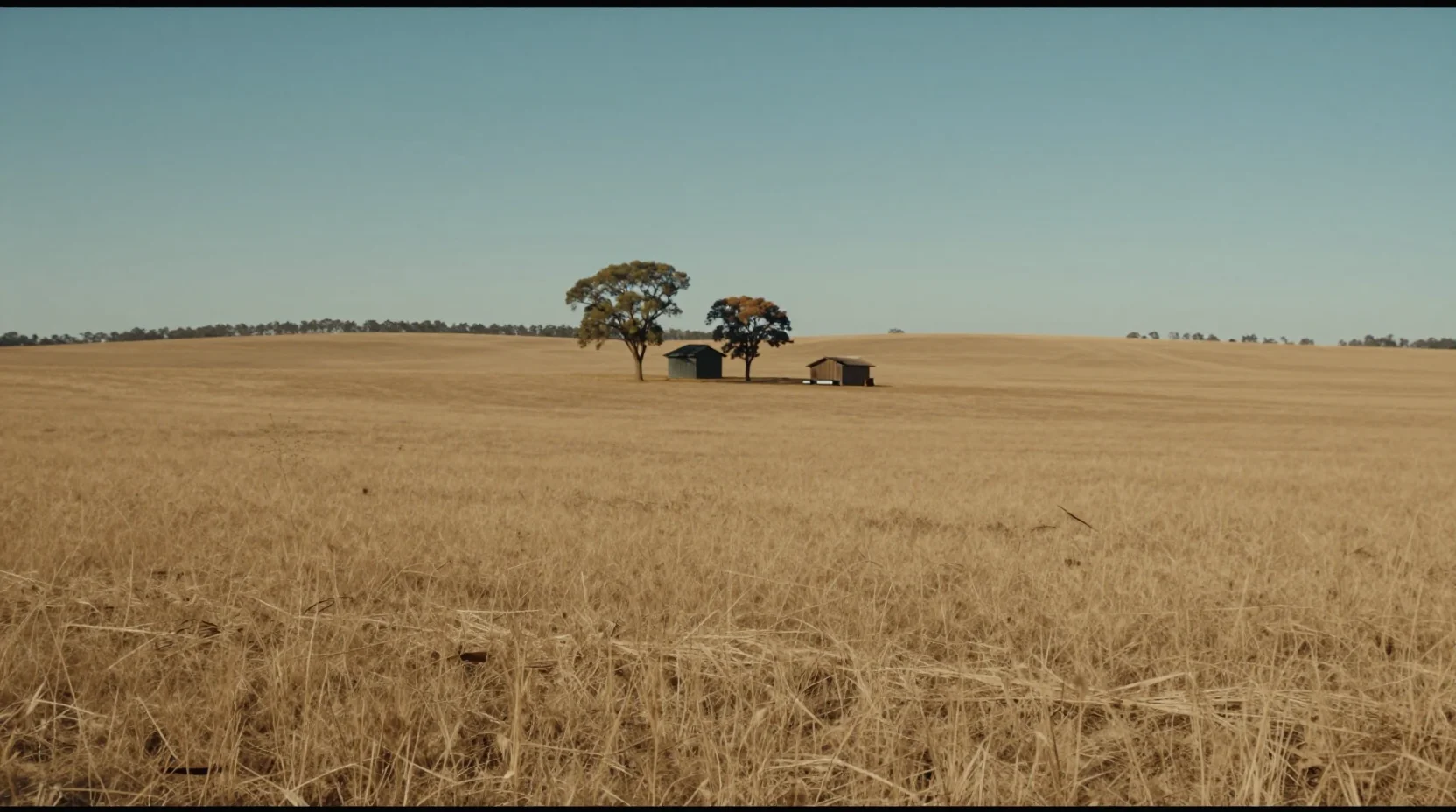
The Wheatbelt Fields
Endless golden wheat stands in precise rows under harsh Western Australian sun, punctuated by trampled corridors where emu flocks have fed. The flatness offers no cover, no concealment—every movement visible for kilometers, turning military ambush tactics meaningless.
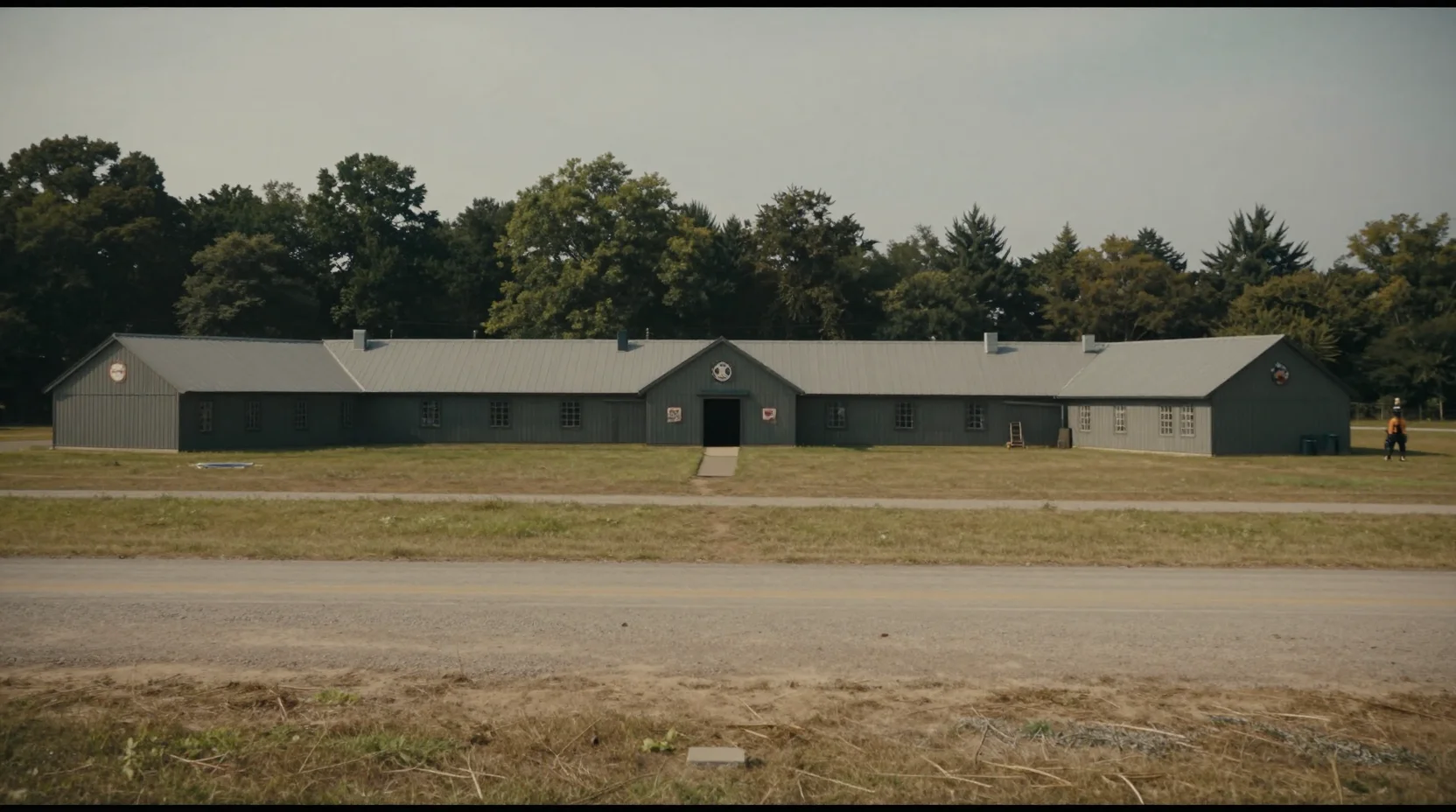
The Military Camp
Canvas tents arranged in regulation spacing beside rusted farm equipment, creating an absurd juxtaposition of military order and agricultural chaos. Lewis guns mounted on makeshift stands face empty horizon while spent shell casings accumulate in meaningless piles.
Story Structure
1
The Hero's Journey
Major Meredith's complete transformation from confident military officer to humbled student of nature, encompassing his call to confront the emu "invasion," trials against an unpredictable enemy, and ultimate return bearing wisdom about humanity's limits.
1
The Hero's Journey - Complete
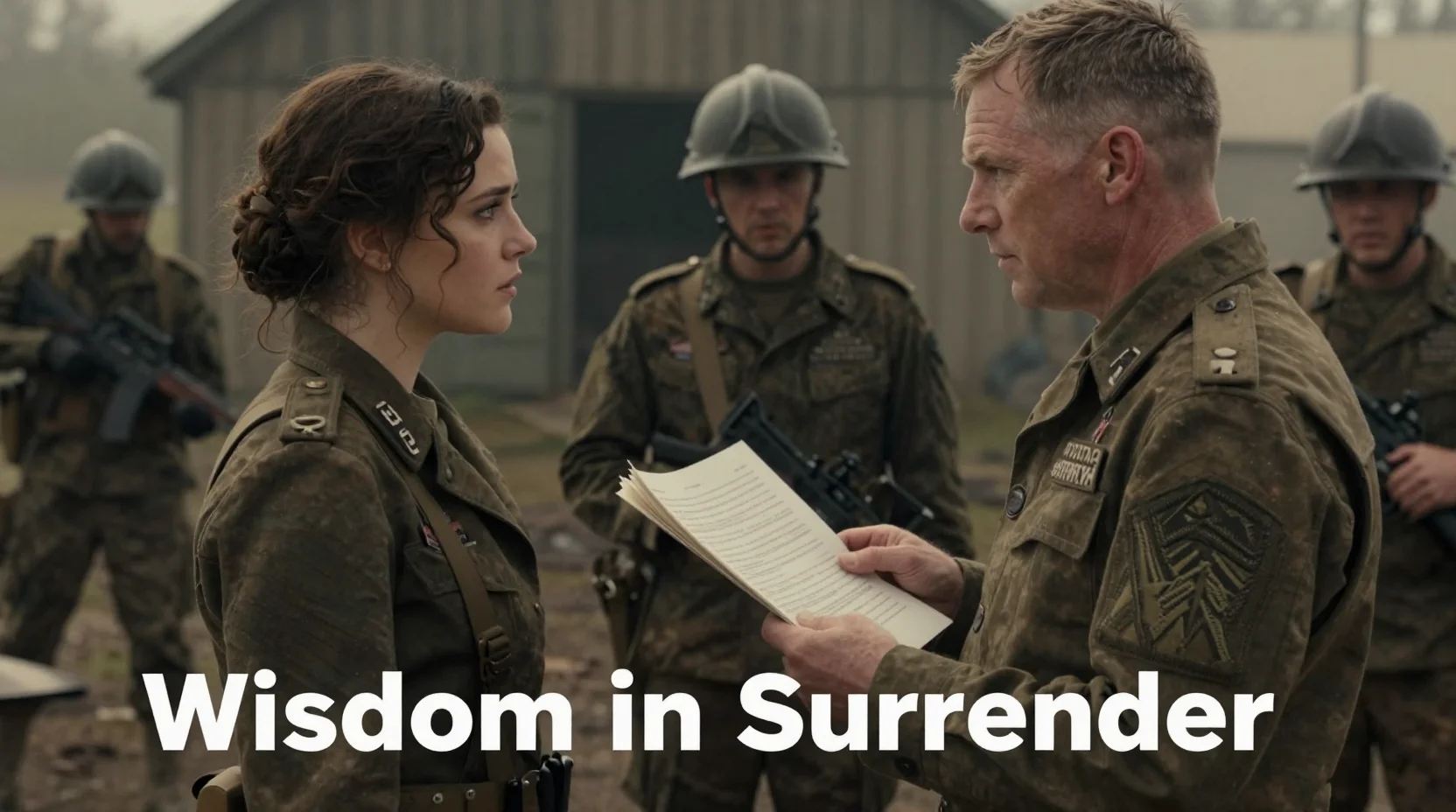
Major Meredith's complete transformation from confident arrival through humbling trials to final acceptance, encompassing his departure into nature's domain, initiation through repeated tactical failures, and return carrying wisdom about humanity's limits.
1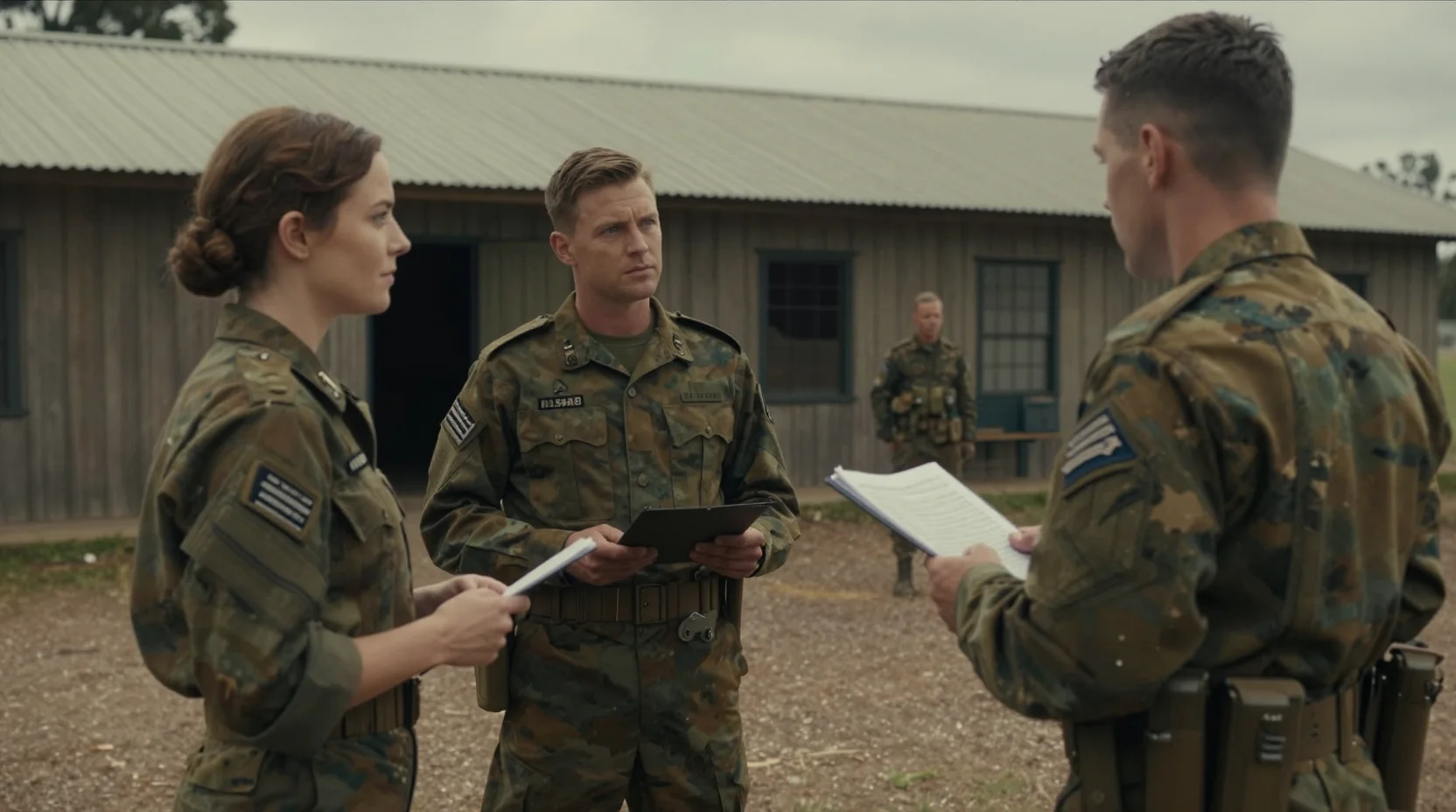
Arrival at the Wheatbelt
Major Meredith arrives at The Military Camp with Sergeant McMurray, meeting Jack Fletcher and establishing operations with military precision while Margaret Ainsworth prepares to document what she assumes will be a straightforward pest control mission.
2
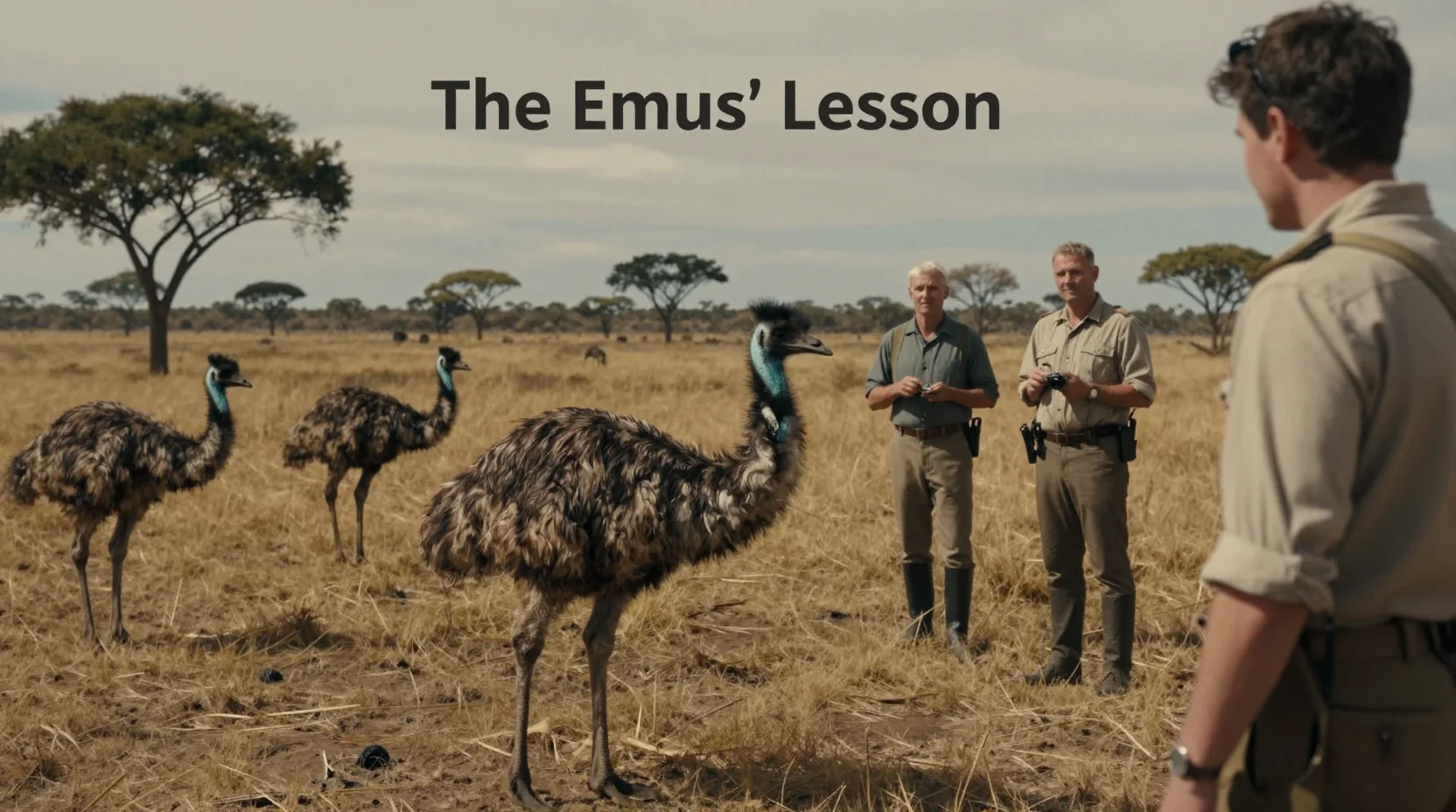
The Emus' Lesson
- Story ID
- story_0lUPO8rig2Zx8TyW
- Created
- December 29, 2025
- Art Style
- realistic (photography)
- Status
- published
You may also like